Children's Book Illustration
Everything that goes into children's book illustration — the main art styles, what hiring an illustrator really costs versus using AI, and the one thing that makes or breaks a book: keeping your characters consistent on every page.
- The main illustration styles and who they suit
- Real costs: hiring an illustrator vs using AI
- A simple 4-step process for a whole book
- How to keep one character on-model page after page
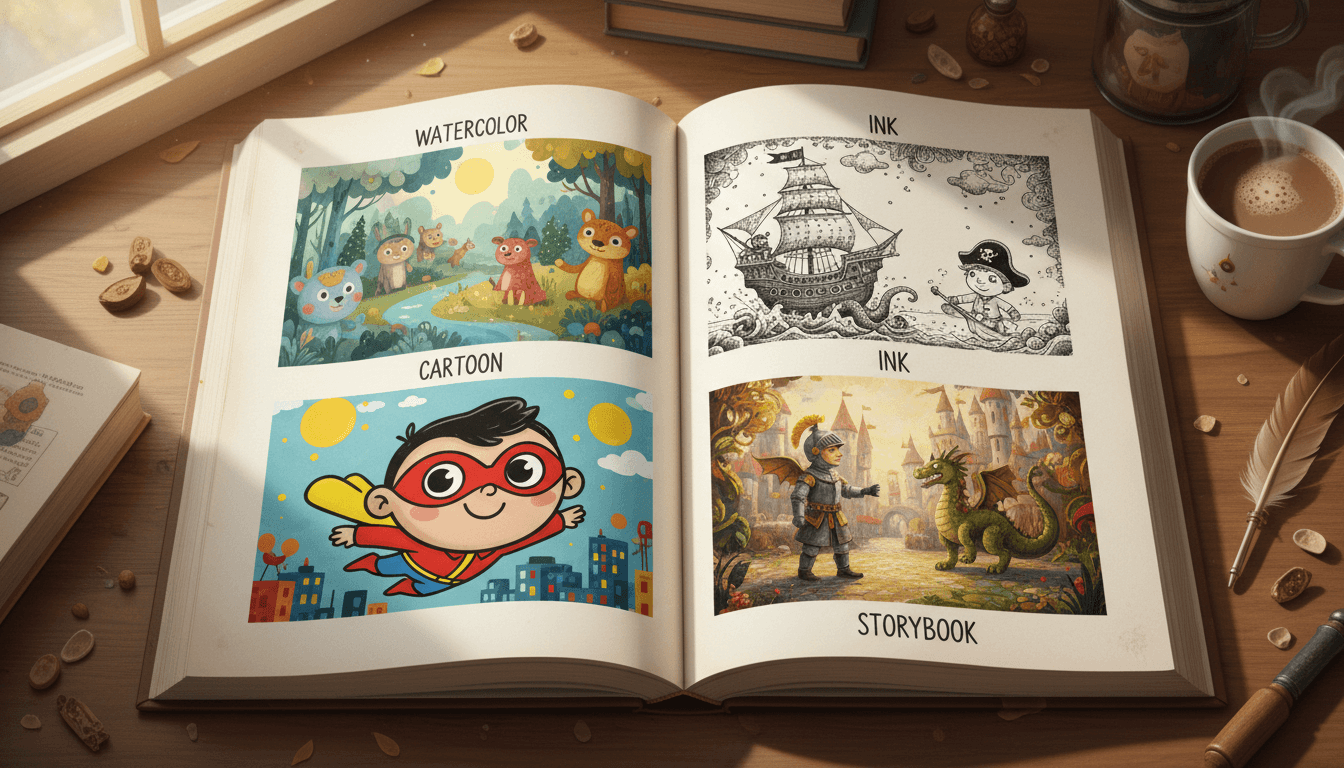
Children's Book Illustration Styles
Every style sets a different mood. Pick one that fits your story and your readers' age — and use it consistently across the whole book.
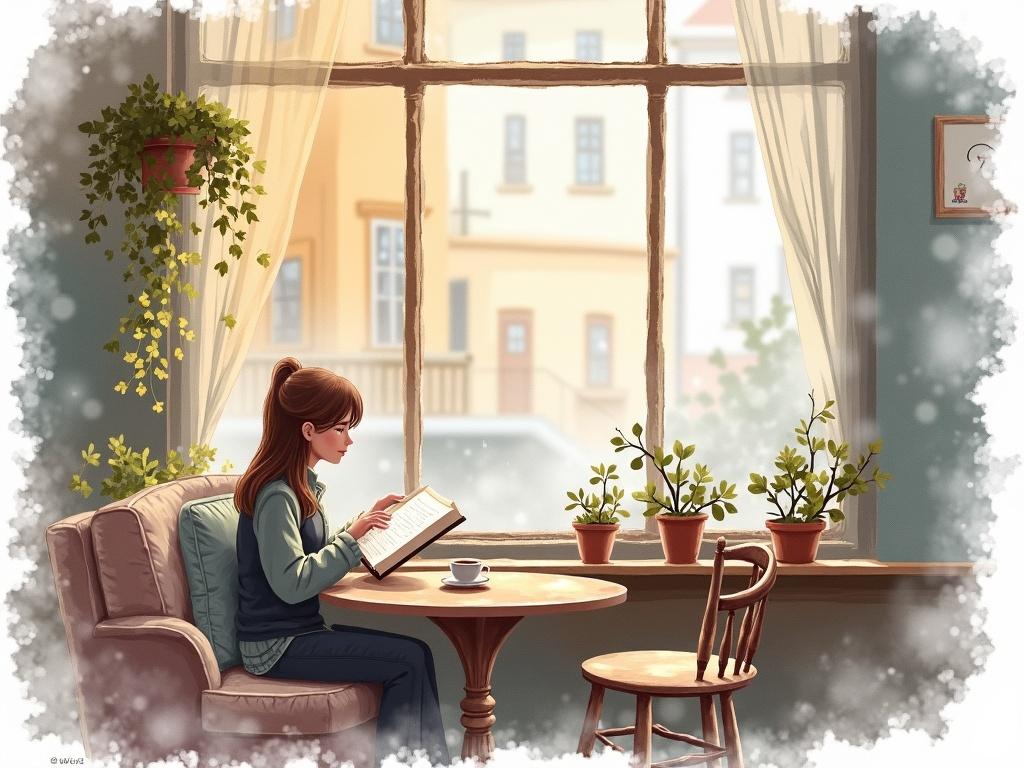
Watercolor
Soft, gentle washes — the classic picture-book feel
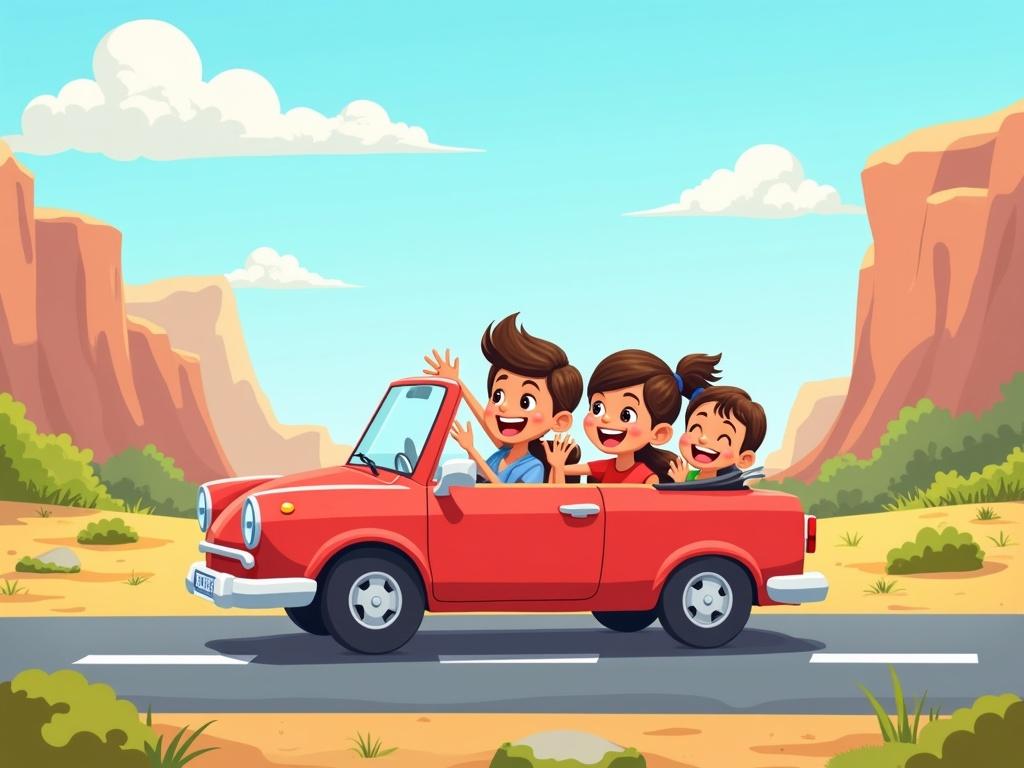
Cartoon
Bold outlines and bright, friendly colors
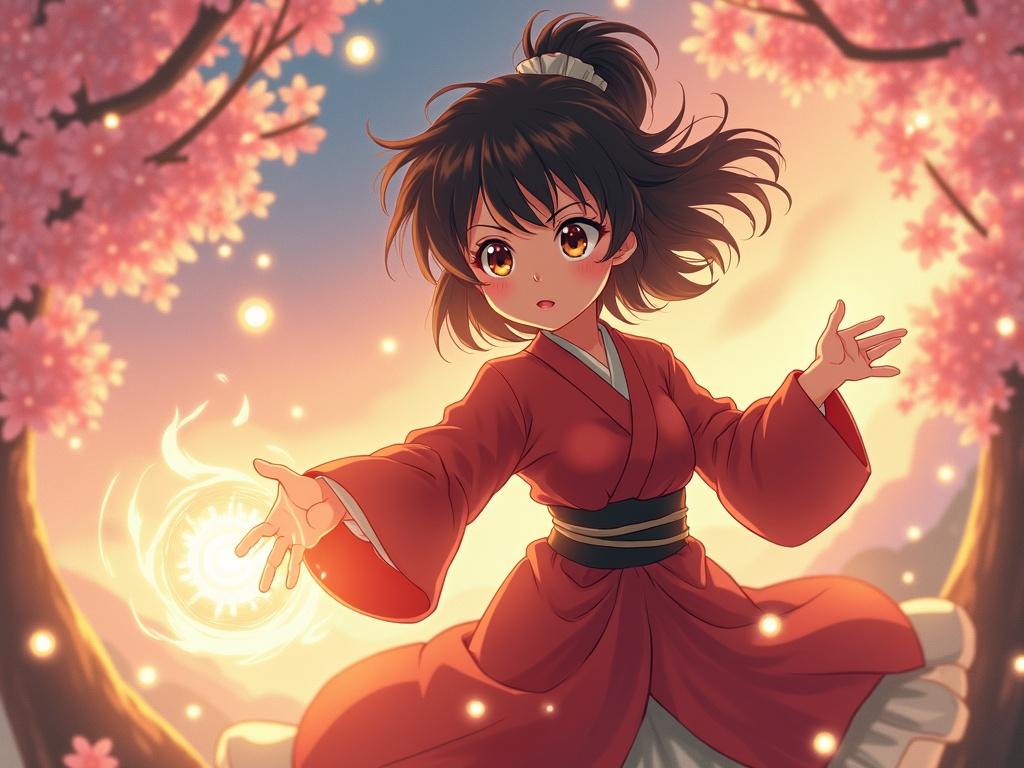
Anime
Expressive faces, great for older readers
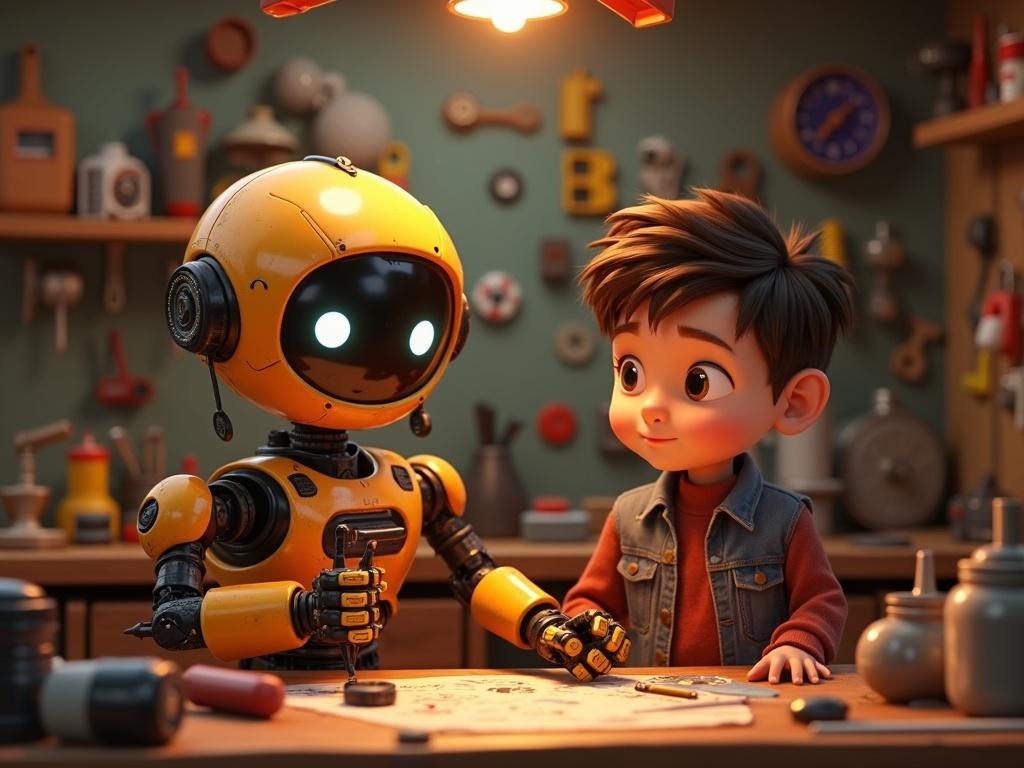
Cinematic
Rich, painterly 3D-style lighting
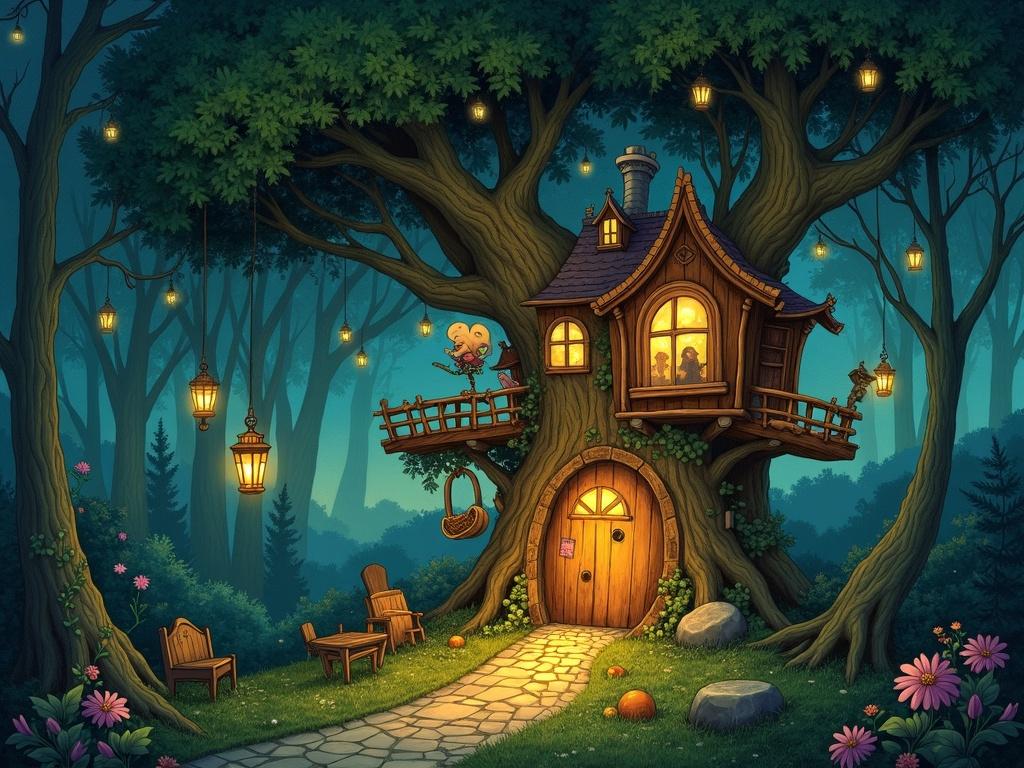
Storybook
Whimsical, nostalgic, heirloom charm
C2Story offers 50+ styles, including Pixar-3D, Manga, Comic, Minimalist, and Classic.
Hiring an Illustrator vs Using AI
Both can produce beautiful, consistent art. They differ most on cost, speed, and how freely you can revise.
A commissioned picture book is a real investment — perfect for a single flagship title where a specific artist's hand is the point.
AI shines for drafts, self-publishing, series and gifts — where speed, low cost, free revisions, and consistency across many pages matter most.
How to Illustrate a Children's Book in 4 Steps
Whether you hire out or use AI, the same order keeps a book looking cohesive from cover to cover.
Design Your Characters First
Before any page art, define your cast — looks, clothes, personality. A single strong character sheet is the source of truth every illustration refers back to.
Choose One Art Style
Pick a style that fits your story and audience, and commit to it for the whole book. Mixing styles is the fastest way to make a book feel inconsistent.
Illustrate Page by Page
Describe what happens on each page and generate the artwork in your chosen style — with the same characters pulled in every time.
Keep the Cast On-Model
The hardest part of children’s book illustration is the same face on every page. Lock your characters so page 20’s hero is unmistakably page 1’s.
The Same Character on Every Page
The hardest part of children's book illustration isn't drawing one nice picture — it's making page 20's hero look exactly like page 1's. That's exactly what C2Story locks in.
Most AI Tools
- ✕ A slightly different face on each page
- ✕ You re-describe the character every time
- ✕ Outfits and hair drift between spreads
- ✕ The book feels like unrelated pictures
C2Story
- Design the character once, lock the look
- The same face on every page of the book
- One art style applied across the whole story
- Regenerate any page without breaking the rest
Made for People Who Make Books
Self-Publishing Authors
Illustrate a full picture book for Amazon KDP without a five-figure budget — one consistent cast, one style, print-ready.
Parents
Turn your own child into the hero of a personalized illustrated book — a keepsake in a style you love.
Teachers
Create age-appropriate illustrated readers and classroom stories in a consistent, friendly style.
Indie Publishers
Build a recognizable series — one cast, one look, volume after volume, ready for print.
Frequently Asked Questions
Explore More Story Ideas
Discover more styles, tools, and story types
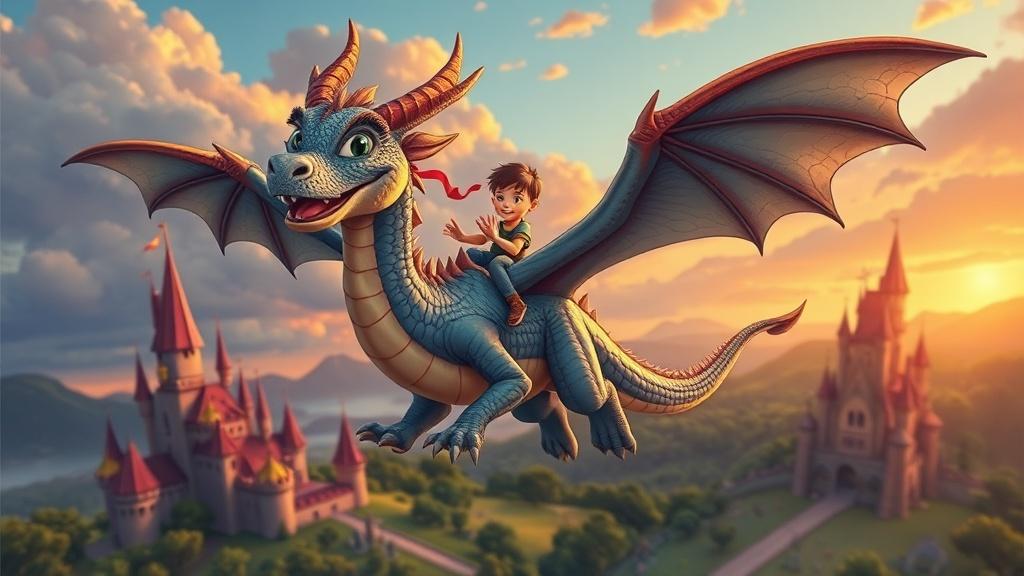
Dragon Stories
Epic fire-breathing adventures
Explore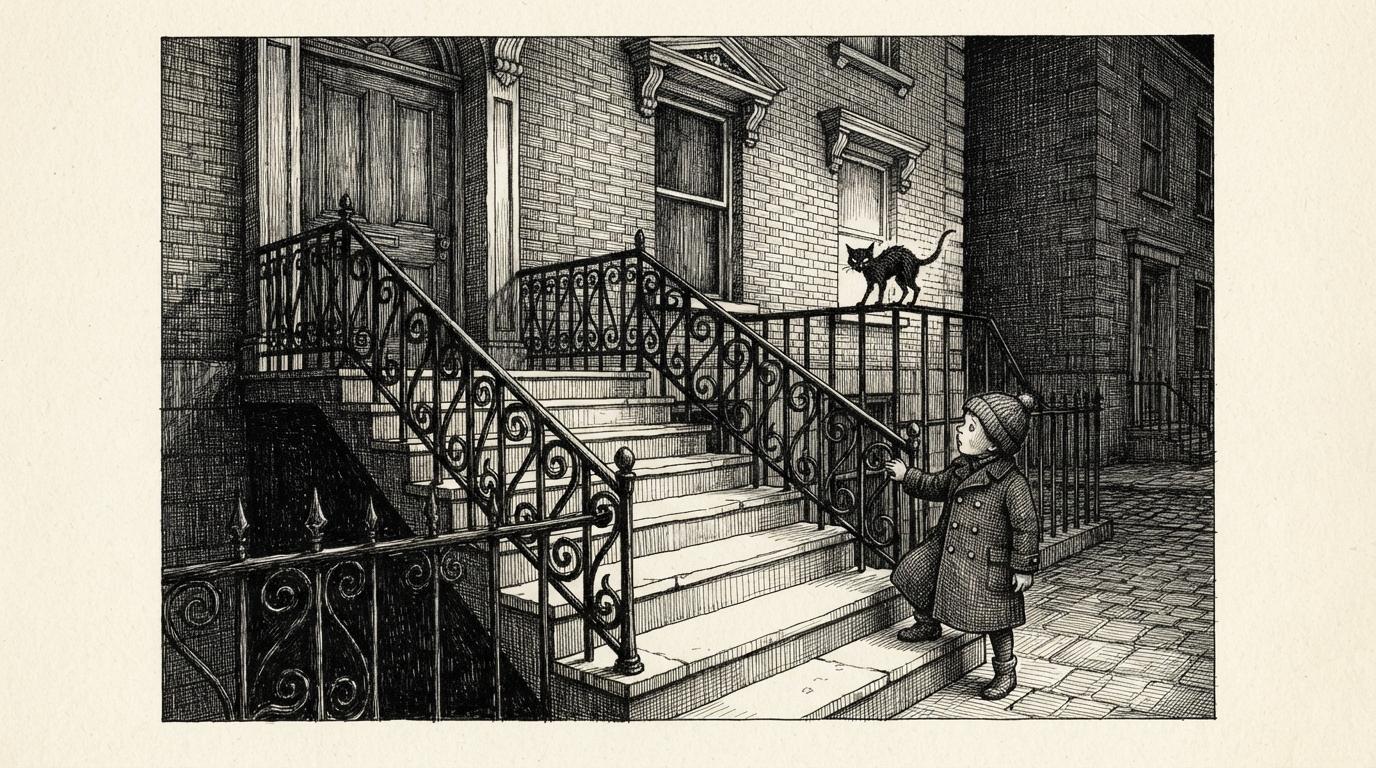
Crosshatch Ink Picture Books
Dense hatched shadow & engraved ink texture
Explore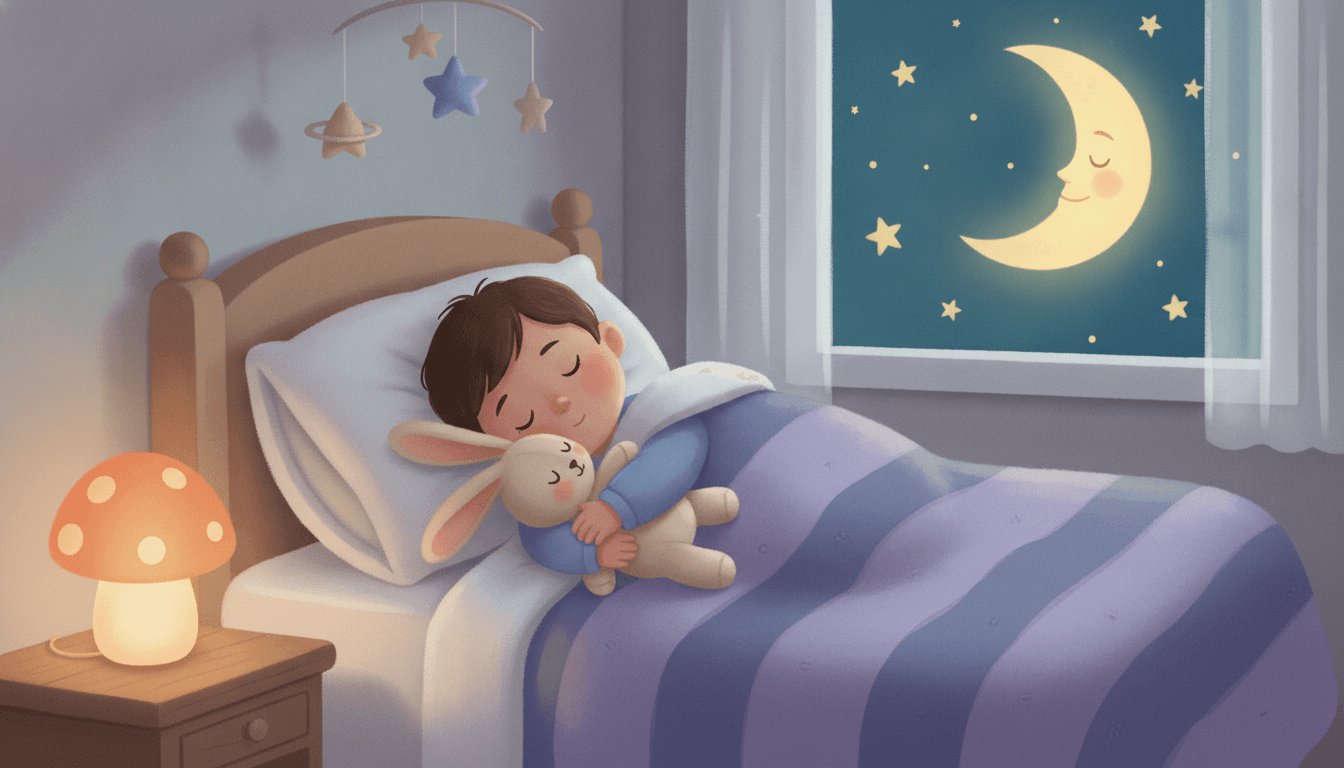
Bedtime Stories for Anxious Kids
Calming tales that soothe worries
Explore
Storybee Alternative
More styles & features
ExploreChildren's Book Illustration — Styles, Costs, and How to Do It with AI
Good children's book illustration starts with two decisions: the art style, and how you'll keep your characters consistent. Style sets the mood — soft watercolor for a gentle bedtime book, bold cartoon for something playful, storybook for a nostalgic heirloom feel, anime or painterly art for older readers. Whatever you choose, the golden rule is to commit to one style for the whole book; mixing styles is the fastest way to make a picture book feel like a pile of unrelated images.
The second decision is budget. Commissioning a professional book illustrator for a full picture book typically costs several thousand dollars and takes months — the right call for a single flagship title where a specific artist's hand is the point. For drafts, self-publishing, series, and gift books, AI illustration is dramatically faster and cheaper: you can start free, produce a fully illustrated draft in minutes, and revise any page without paying for another round.
The historic weakness of AI — a slightly different character on every page — is exactly what C2Story fixes. You design your cast once, and the same face, hair, and outfit appear on every illustration, in whichever of 50+ styles you pick. That consistency is what separates a real book from a set of loose pictures. Ready to try it? Use the AI picture book maker to illustrate a full book, learn how to build a whole series, or see how character consistency keeps your hero on-model from the first page to the last.