Crayon StylePicture Books
Waxy texture, visible strokes, uneven pressure and colour that runs past the line — crayon style illustration applied to every page of a whole book, not just one nice picture.
- Real crayon marks — paper tooth, stacked wax, rough edges
- Three crayon looks: base, vintage storybook, crayon & sumi-e
- Your characters stay the same person on every page
- Free credits by request — no card
50,000+
Stories Created
10,000+
Active Creators
50+
Art Styles
4.9/5
User Rating
What Makes a Crayon Style Illustration Look Like Crayon
Not the colours. Crayon is recognised by four marks a hand leaves and a machine has to be told to keep.
Paper tooth
A crayon never actually fills. The grain of the paper breaks every stroke, so a "flat" area of colour is really a few hundred tiny white gaps. Sand that texture away and the page stops reading as crayon.
Uneven pressure
One crayon gives you two colours depending on how hard the hand pressed. A sky that is dark in one corner and almost bare at the other edge is the record of somebody pressing — that record is most of the charm.
Colour over the line
Fill that politely respects its outline reads as vector art. Crayon overshoots. The red of a coat creeps a few millimetres into the white of the snow, and the drawing is warmer for it.
Wax that stacks
Crayon does not blend the way paint does. Blue laid over yellow sits on top of it and catches the light, so mixed colours look built up rather than mixed. It is the opposite of a watercolour wash.
Childlike Is a Decision, Not a Missing Skill
Every other art style is a list of things to add. Crayon is mostly a list of things to refuse. A picture that has been tidied up — edges cleaned, gradients smoothed, fill snapped inside the outline — is not a crayon picture. It is a cartoon that happens to be crayon-coloured.
So the crayon style on C2Story carries its refusals with it. Alongside the things it asks for, it explicitly tells the illustrator what not to do on any page of your book:
What stays under the wobble is craft. The composition is still staged, the character is still recognisable, the eye is still led to the thing that matters on the page. A crayon picture book looks like a five-year-old drew it and reads like an illustrator laid it out — and the gap between those two things is the entire style.
Create a Crayon Picture Book in 3 Steps
From a one-line idea to a finished, fully illustrated crayon book in under two minutes.
Describe the story
A sentence is enough. Crayon suits the small and the domestic, so something like "a boy tries every trick he knows to get his dog out in the rain" gives the style plenty to hold on to.
"A missing sock, and the girl who tracks it through the house"
Pick the crayon style
Choose base Crayon for bright primaries and rough edges, Vintage Crayon Storybook for retro grain and ink outlines, or Crayon & Sumi-e Tale for a quieter, inkier page.
Waxy texture, visible strokes, colour over the line
Generate and export
C2Story writes the story, breaks it into pages and draws every one of them in crayon. Read it on screen, share the link, or export the PDF and print it.
Whole book illustrated, PDF export, instant sharing
Three Crayon Looks on C2Story
“Crayon” is not one thing. These three sit in the style picker and they read very differently on the page.
Crayon
Bright crayon primaries, waxy tones, visible strokes and rough edges. The render brief asks for waxy crayon texture and childlike hand-drawn line weight, and explicitly rules out anything polished, smooth or photorealistic. This is the one to pick when you want the page to look drawn on a kitchen table.
Vintage Crayon Storybook
Crayon grain mixed with coloured-pencil texture, loose rough ink outlines, oversized expressive eyes on quirky characters, and a vintage paper border. Warm retro European picture-book mood — nostalgic rather than childlike, with a palette of warm retro tones and aged paper cream.
Crayon & Sumi-e Tale
Crayon and sumi-e ink together — humble grainy charcoal-and-crayon texture, fine brushed detail, warm paper beige with a single red seal accent. A much quieter register than the base crayon: everyday Japanese picture-book warmth rather than primary-colour noise.
Crayon Drawing Story Ideas to Get You Started
Crayon is warm and close rather than epic and cinematic. These six lean into that — kitchens, gardens, pets and weather.
The Sock That Went Missing
One sock disappears on laundry day and a small girl follows the evidence through the whole house — under the sofa, behind the radiator, inside the dog. A domestic detective story with a very ordinary crime scene and a very unordinary suspect.
Create this storyGrandad's Allotment
Four visits across four seasons to the same small patch of ground. Nothing happens except that things grow, and a boy slowly learns the names of them. A quiet book about patience, told in four spreads of the same view.
Create this storyThe Loudest Sneeze on the Bus
A sneeze so enormous it knocks a hat off, wakes a baby, startles a pigeon and makes the driver miss the stop. One event, eight consequences, each one drawn bigger than the last. Pure cause-and-effect comedy.
Create this storyMy Dog Does Not Like Rain
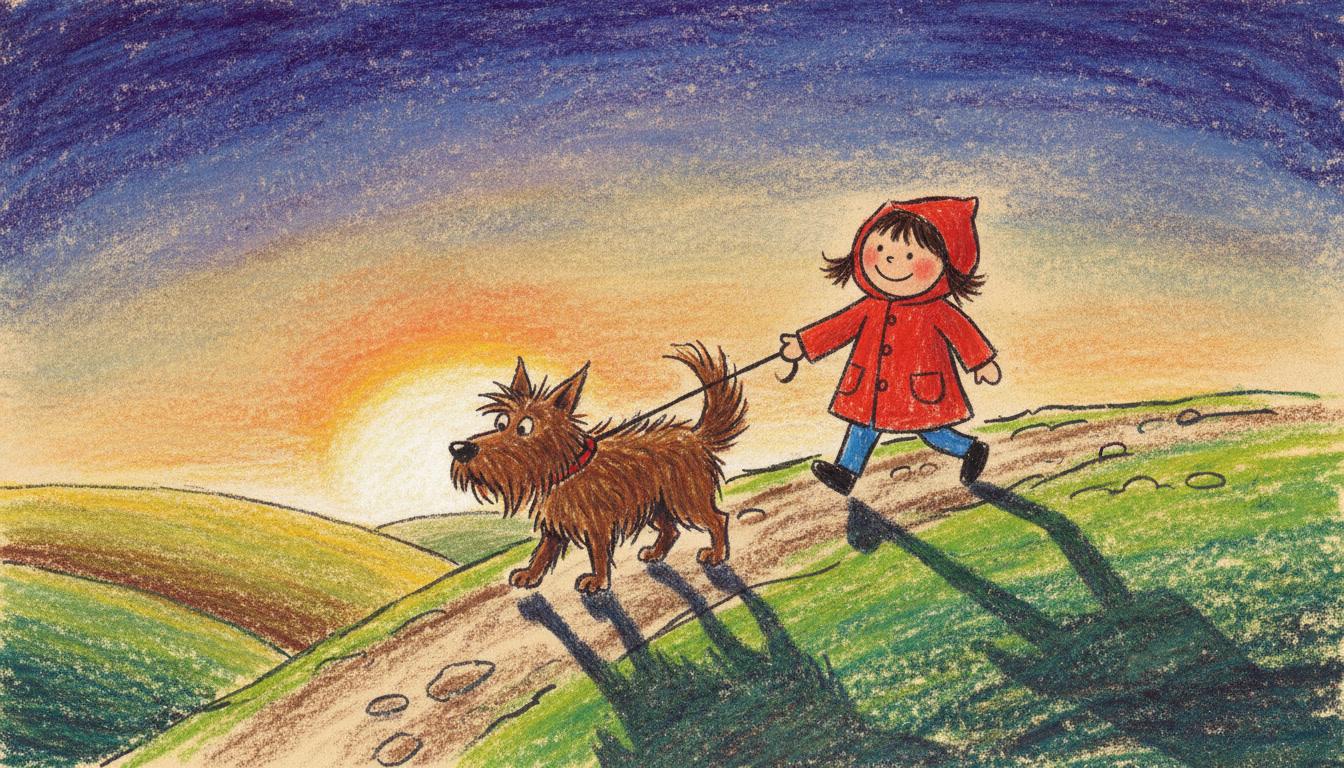
Every strategy for getting a stubborn dog outside on a wet morning, tried and failed in order — the treat, the lead, the umbrella, the bribe, the carry. A repetitive structure that toddlers can predict and join in with.
Create this storyTwo Hundred Ladybirds
A counting book that gets out of hand. One ladybird on a leaf, then two, then ten, then a number too big to count, until the whole garden is red and spotted. Numbers you can point at on the page.
Create this storyThe Box Rocket
Three children, a fridge box, a marker pen and a countdown. The rocket never leaves the garden and it absolutely does go to space. A book about the exact moment pretending turns real.
Create this storyAI-Generated Crayon Illustrations
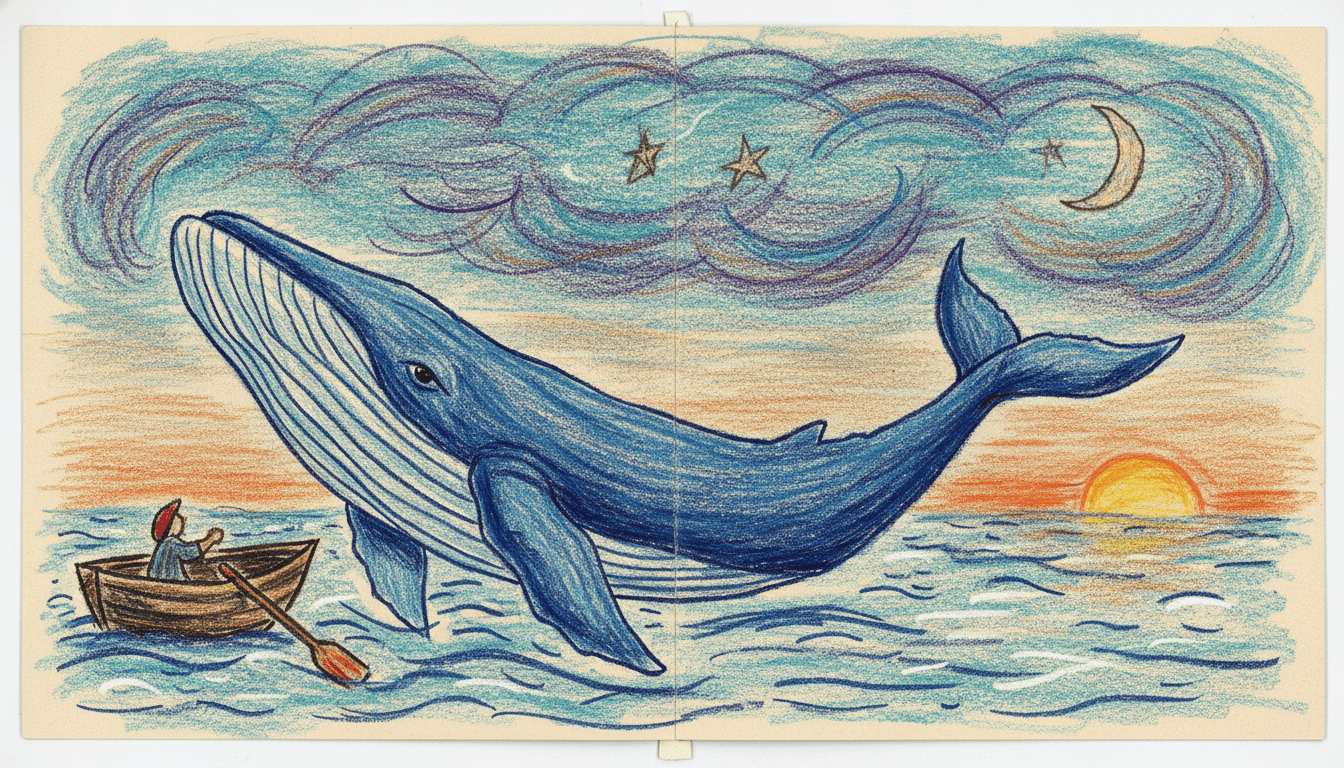
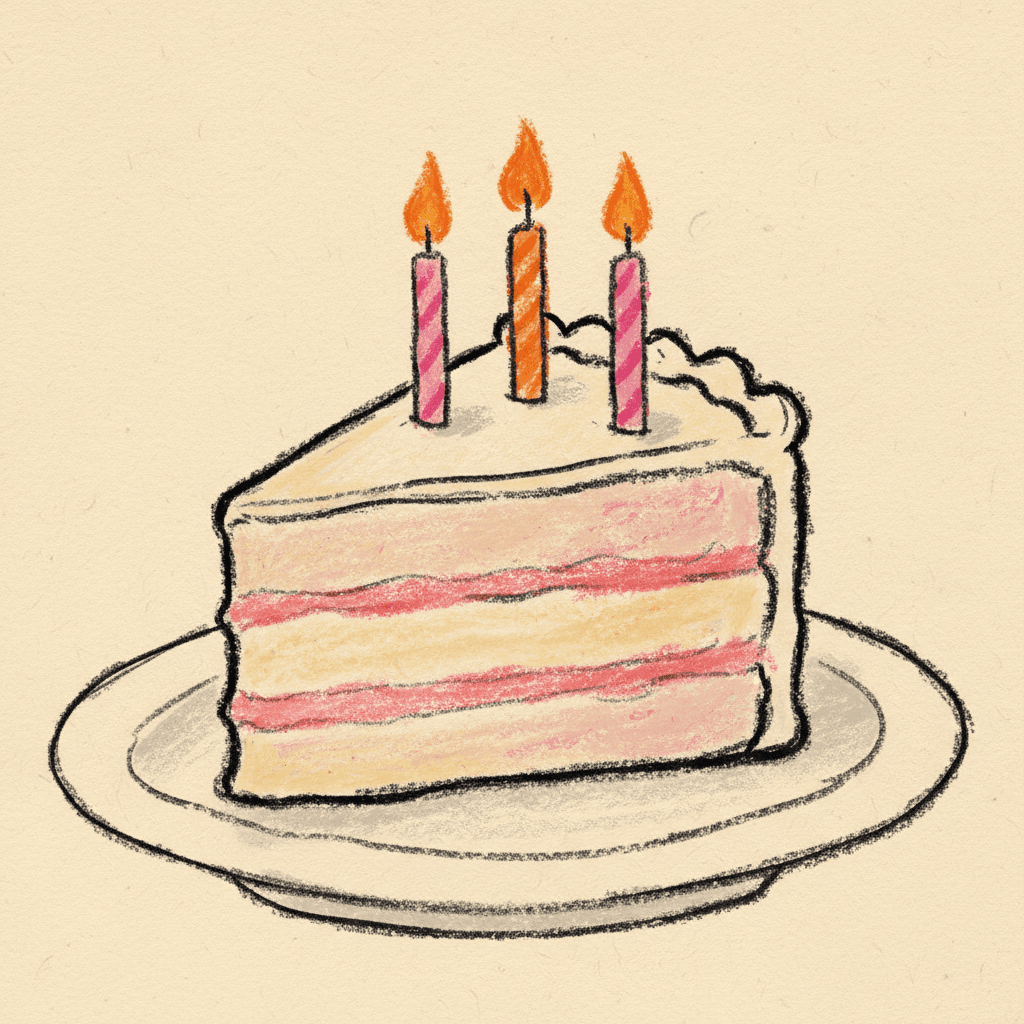
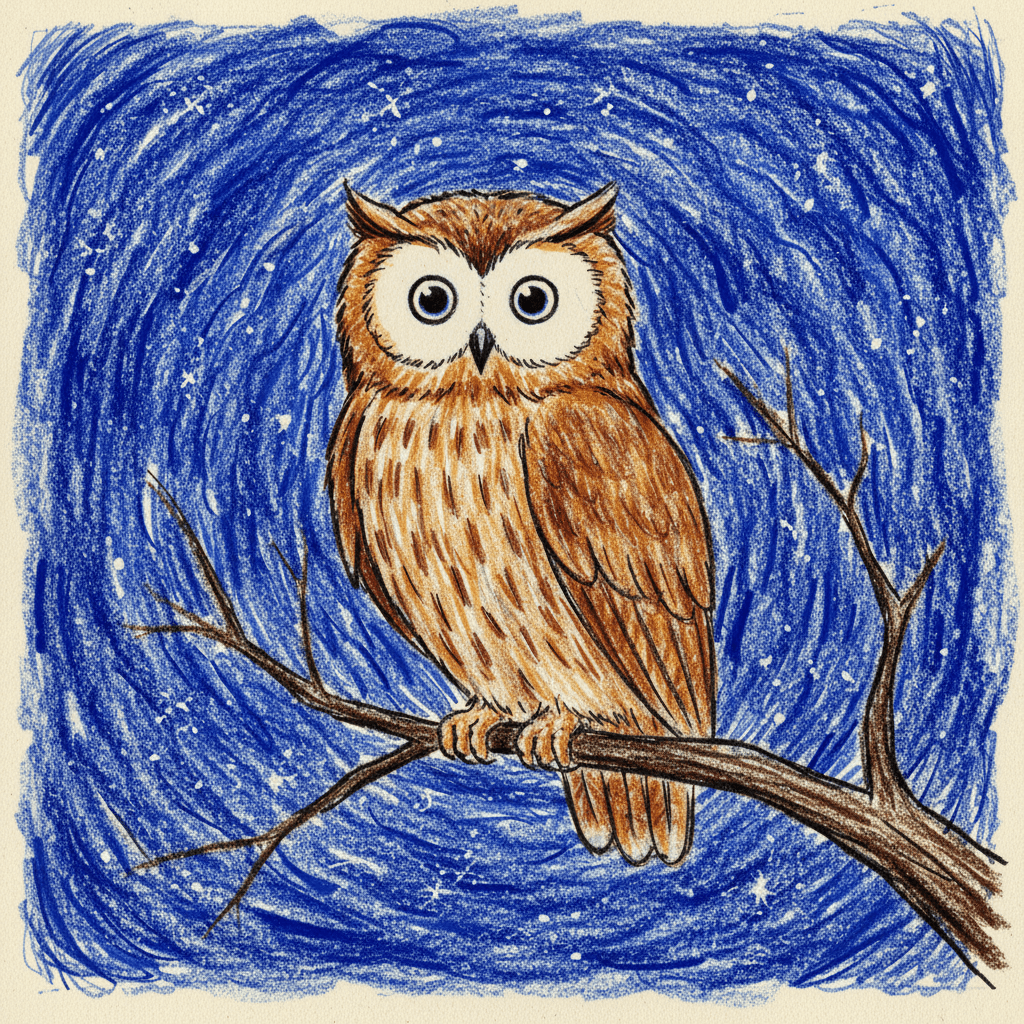
Look at the edges. The paper shows through, the pressure changes across a single shape, and nothing has been tidied up.
Crayon Picture Book Art for Every Subject
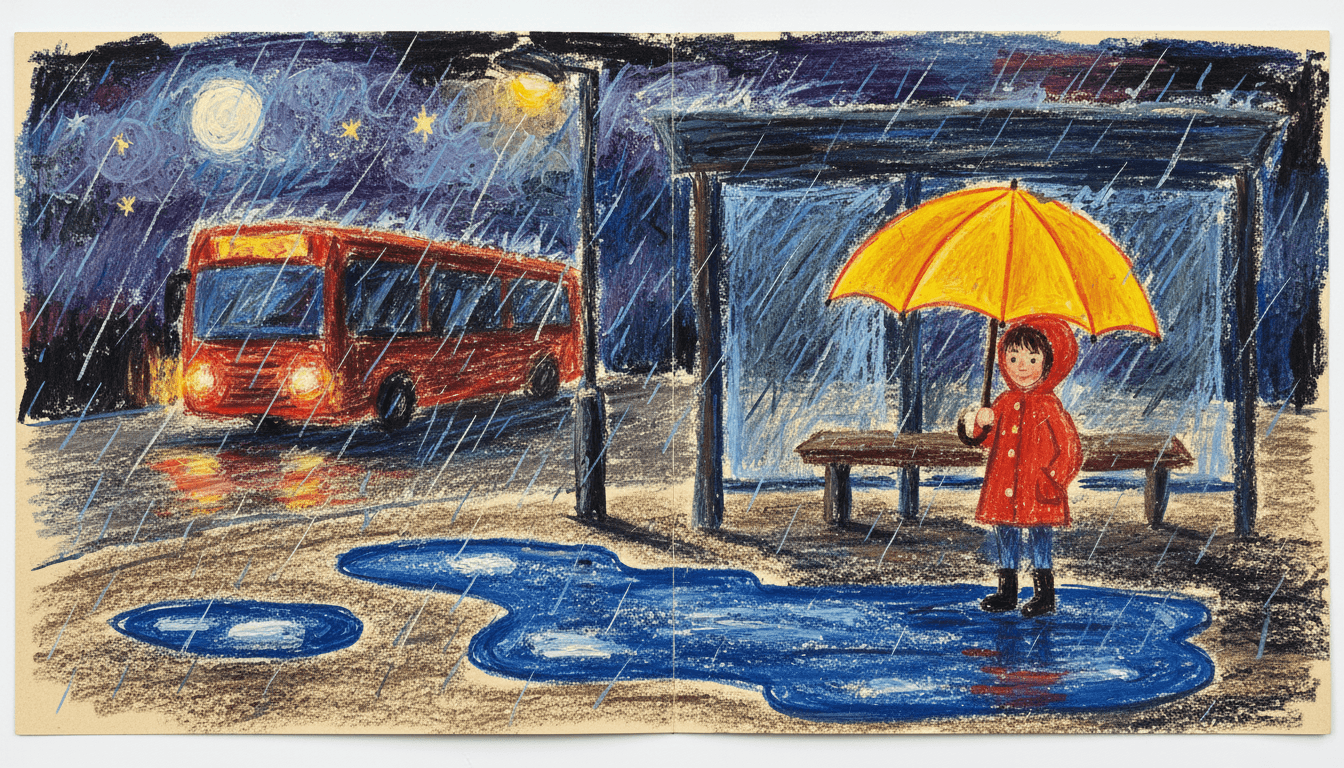
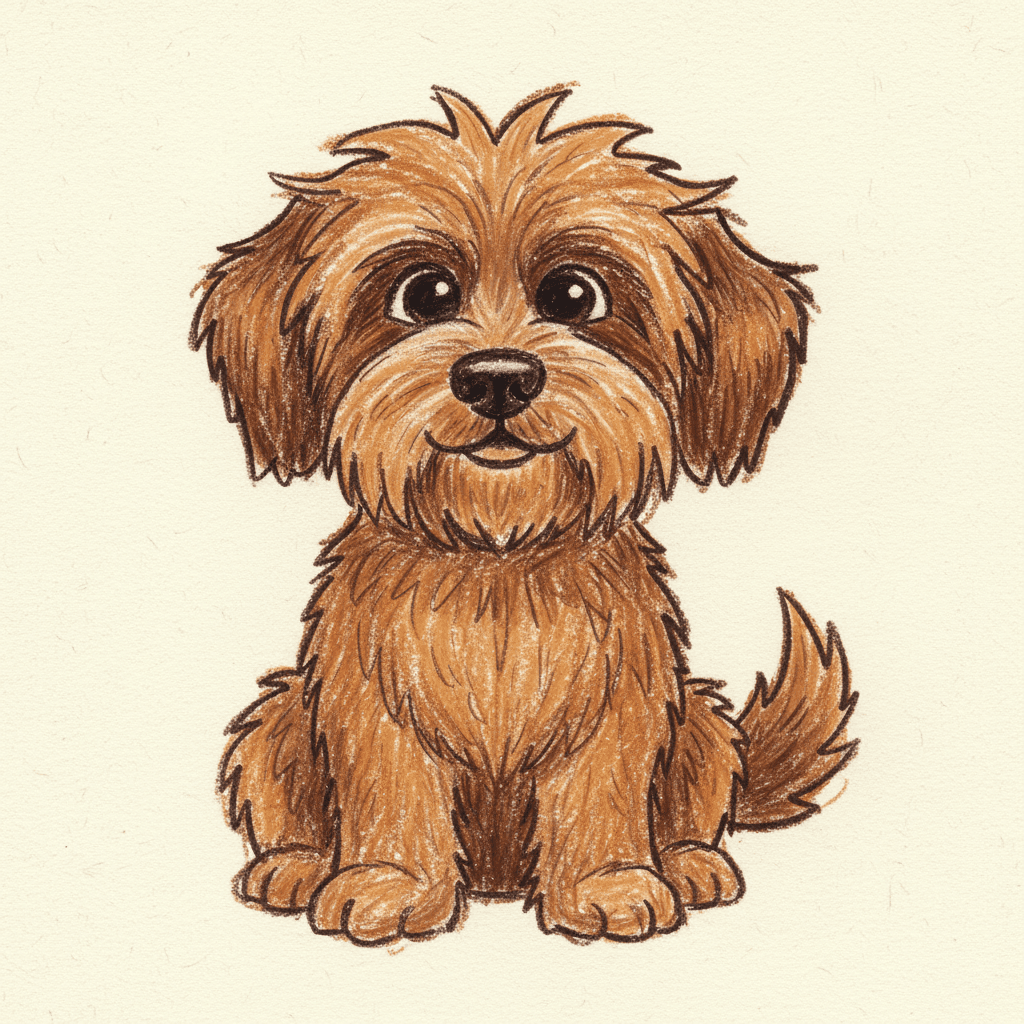
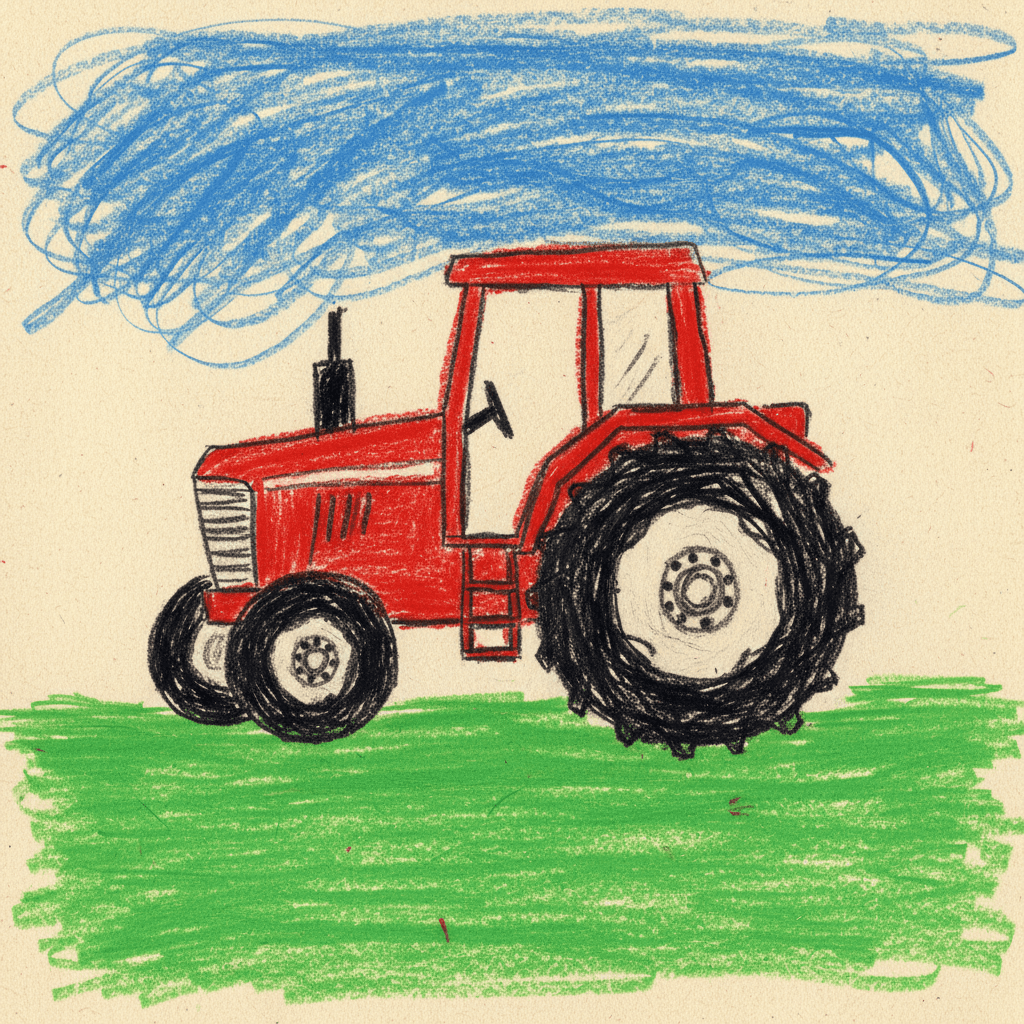
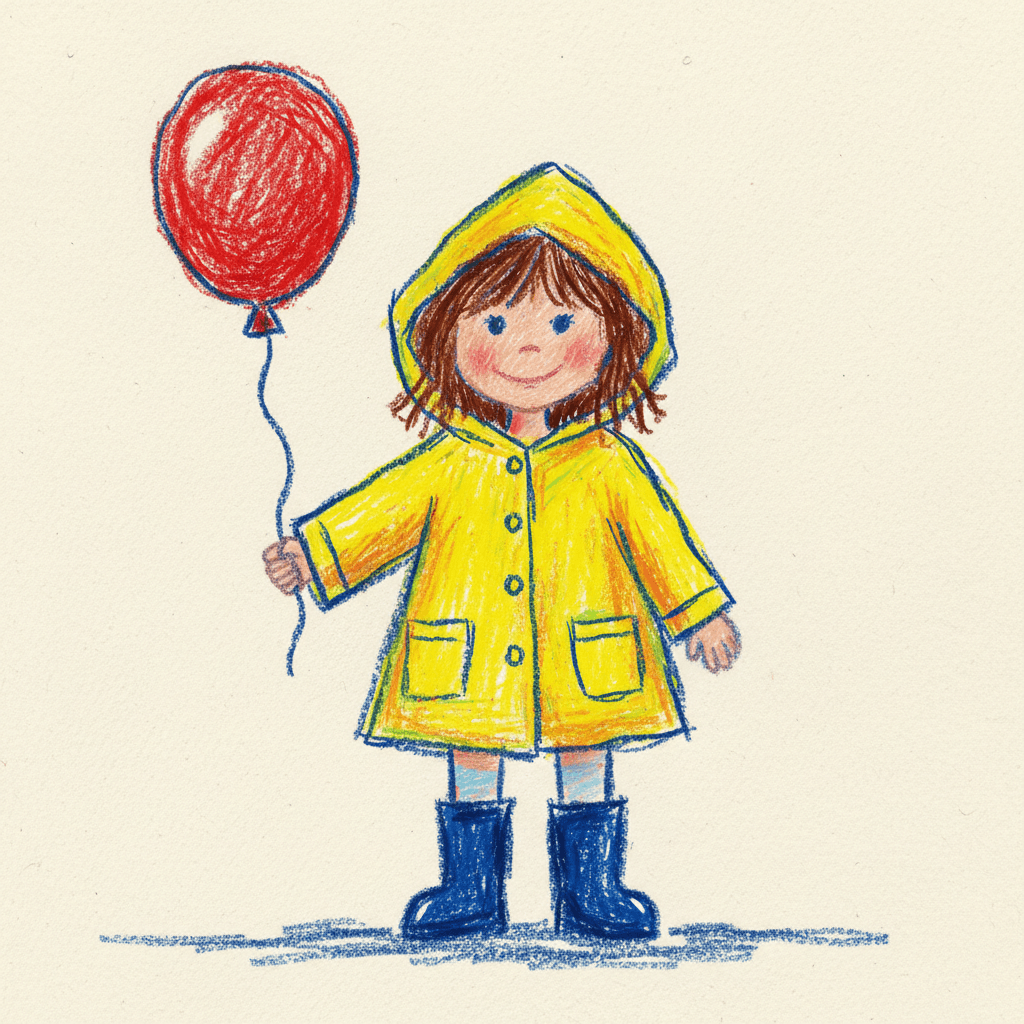
Pets, machines, people, objects, night scenes — the same waxy hand, applied to whatever your story is actually about.
Everything You Need for Crayon Style Picture Books
A hand-drawn look is easy to get once and hard to hold for twenty-four pages. This is the part that holds it.
The same crayon on every page
Texture is the easiest thing to lose halfway through a book. The crayon style carries a fixed render brief — waxy crayon texture, visible strokes, rough crayon line weight — so page twelve is drawn with the same hand as page one.
Your cast stays the same person
Crayon texture is deliberately random. Your characters are not. Save a character once and their design travels with them, so the wobble lands in the marks rather than in who anybody is.
Three crayon looks to choose from
Base Crayon for bright primaries, Vintage Crayon Storybook for retro grain and ink outlines, or Crayon & Sumi-e Tale for something quieter. Pick one before you generate, or try the story in each.
Whole books, not single images
You are not prompting for one nice picture. Describe the story and C2Story writes it, breaks it into pages and illustrates every one of them in crayon, with the art matched to what each page actually says.
Any language you read aloud in
Crayon reads as handmade in every language. Write the story in English, Spanish, Chinese, Japanese, French and more — the illustration style does not change with the text.
PDF you can hand to a printer
Export the finished crayon picture book as a PDF. That file is the handoff — print it at home for the fridge, or take it to any print service you already use.
Crayon Style Picture Books — Questions
What people ask before they pick crayon for a whole book.
Explore More Story Ideas
Discover more styles, tools, and story types
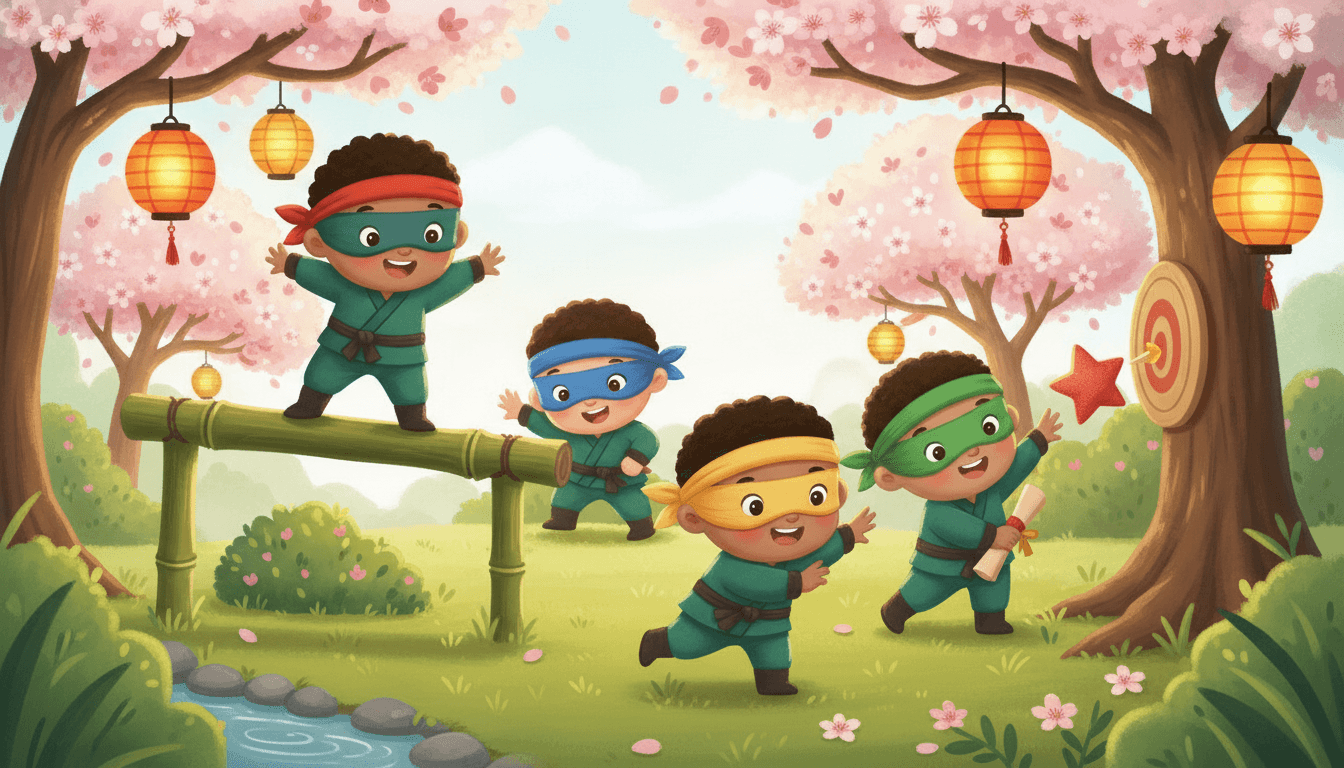
Ninja Stories
Dojo training, stealth missions and the secret scroll
Explore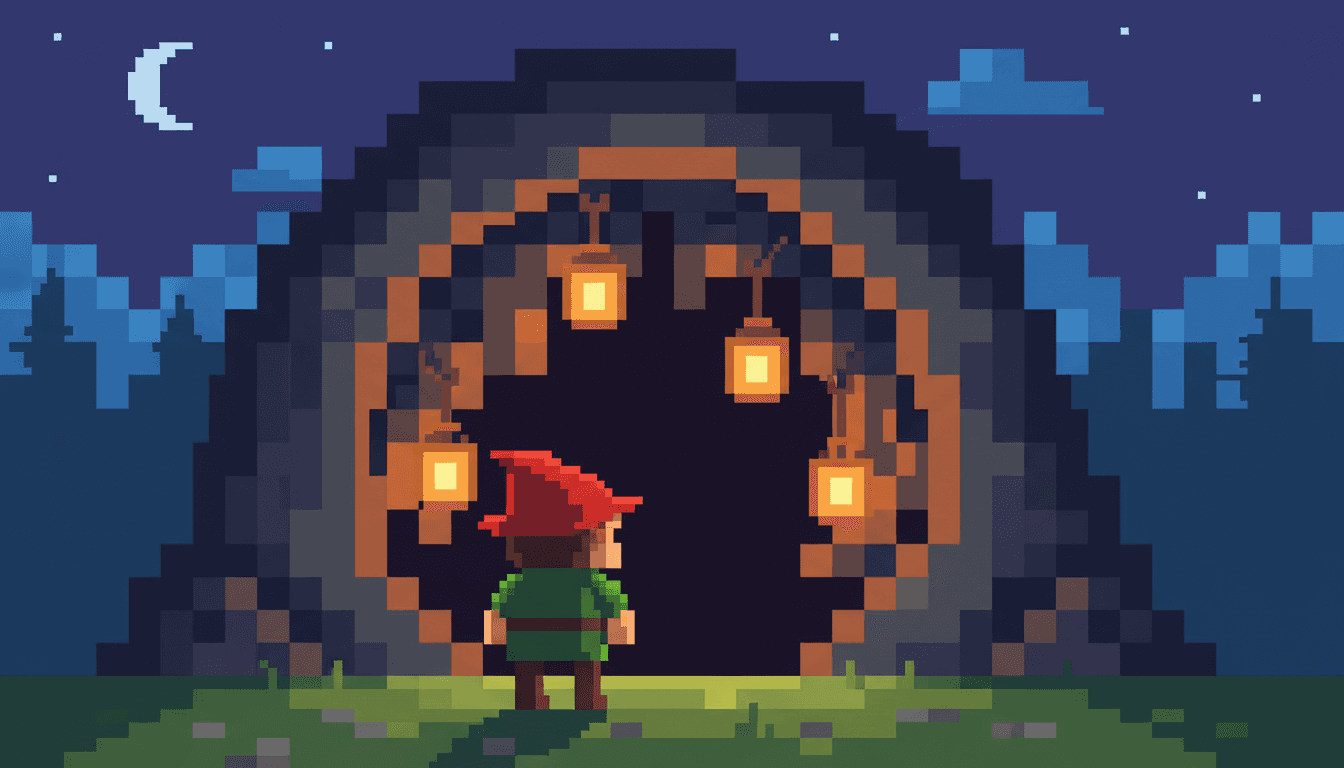
Pixel Art Picture Books
A fixed grid, a rationed 16-bit palette
Explore
Children's Book Creator
Design beautiful kids books
Explore
Midjourney vs C2Story
Stories, not just images
ExploreCrayon Style Picture Books — Make a Whole Book in Wax Crayon with AI
A crayon style picture book is the most forgiving thing you can put in a small child's hands. It looks like something that could have been made at the same table they are sitting at, which is exactly why it works — the art invites them to have a go rather than admire from a distance. C2Story renders that look across an entire book: waxy texture, visible strokes, uneven pressure, rough edges and colour that wanders over the outline, on every page rather than on one lucky image.
The hard part of crayon style illustration is not making one crayon-ish picture. It is keeping the hand consistent for twenty pages while the characters stay recognisable. Those two things pull in opposite directions: the texture is supposed to be irregular and the cast is supposed to be identical. C2Story separates them. The style carries a fixed render brief — waxy crayon texture, visible crayon strokes, rough crayon line weight, childlike hand-drawn feel — and a set of explicit refusals, so no page quietly drifts into being polished or digital. Your characters travel separately, saved in the Character Library, so the wobble lands in the marks and never in who somebody is.
There is more than one crayon. Base Crayon gives you bright primaries and blunt waxy fill. Vintage Crayon Storybook mixes crayon grain with coloured-pencil texture and loose rough ink outlines for a warm retro European storybook feel, complete with an aged paper border. Crayon & Sumi-e Tale puts crayon grain alongside brushed sumi-e ink for something much quieter, closer to an everyday Japanese picture book than to a box of Crayolas. Same medium, three very different registers — pick one before you generate, or run the same story through each and compare.
Crayon suits the small and the domestic: a lost sock, an allotment across four seasons, a dog that will not go out in the rain, a counting book that gets out of hand. Write it in any language you read aloud in, export the finished crayon picture book as a PDF, and hand that file to whichever printer you already use. Start free — see our pricing plans, browse every option on the illustration styles hub, or go straight to the AI Story Generator.