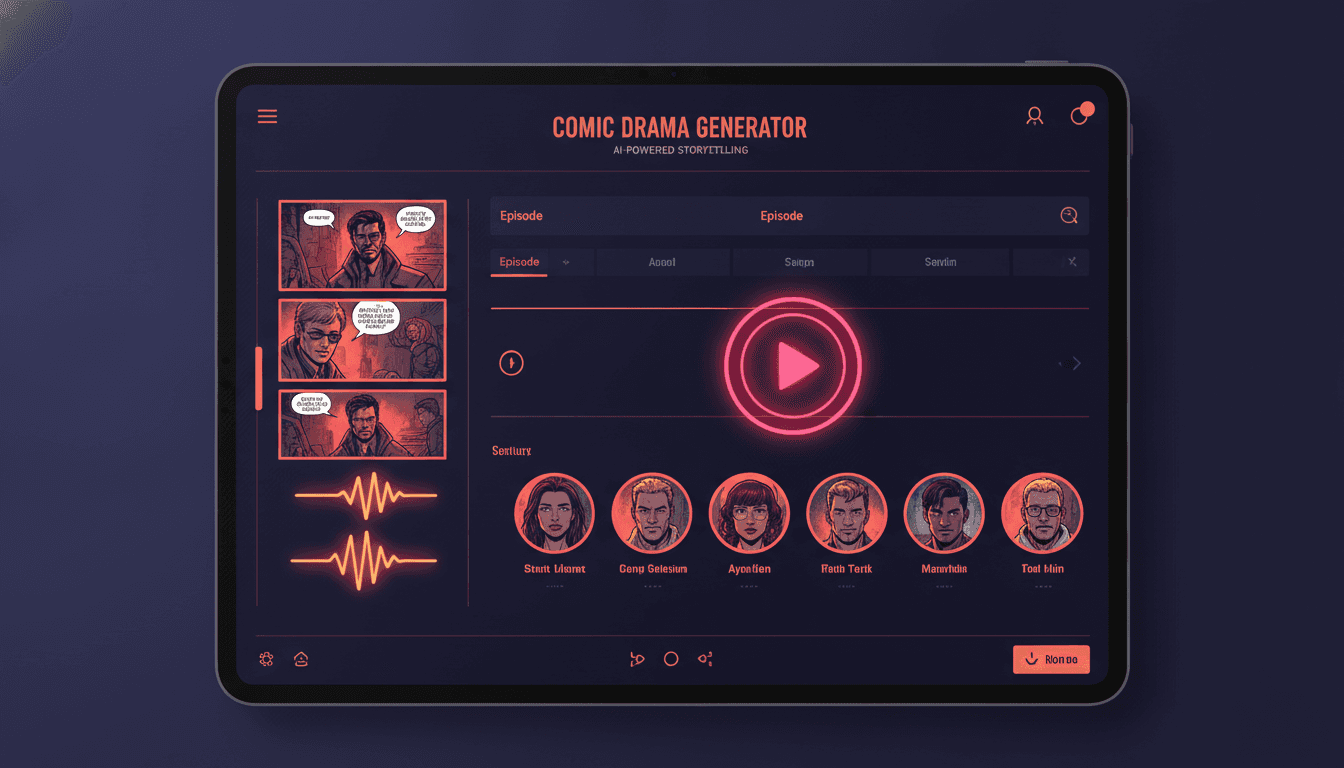
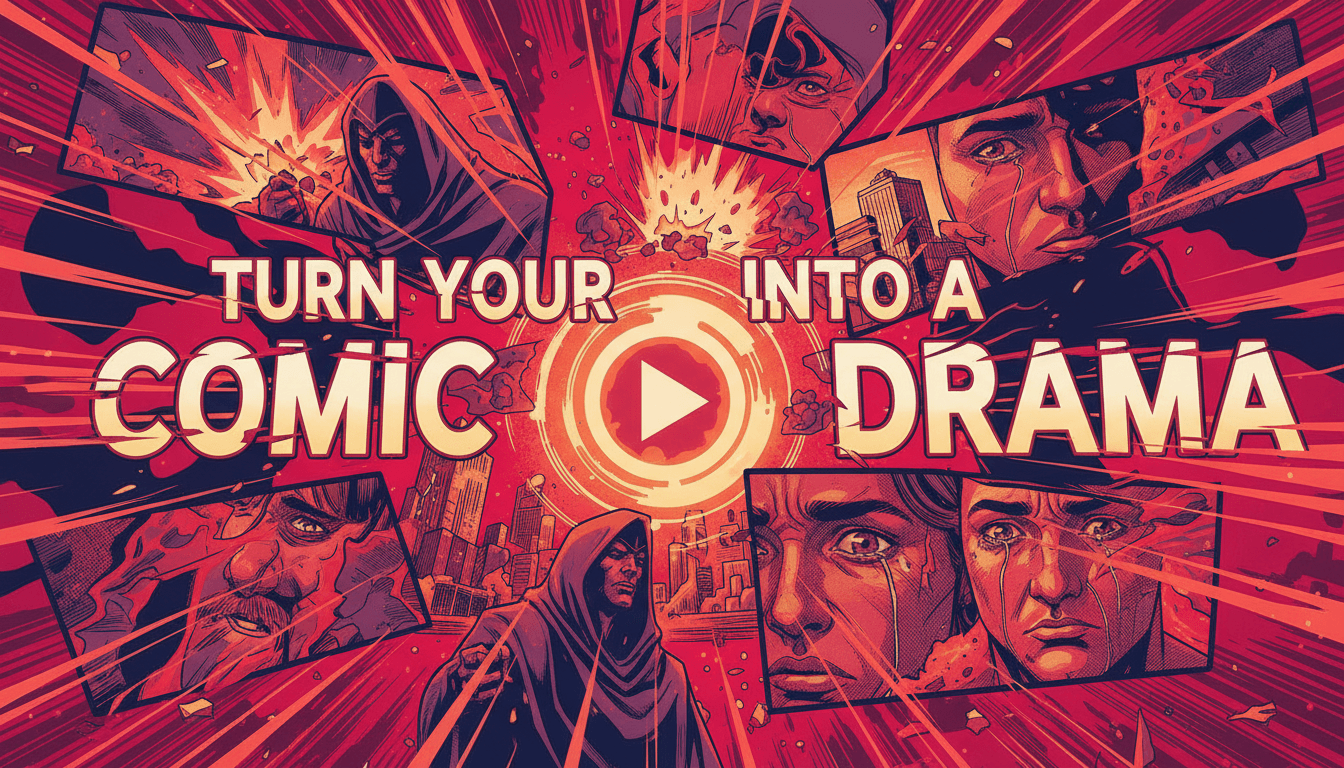
AI Comic Drama GeneratorTurn Your Comic Into an Episode People Watch
Panels in motion, dialogue that’s actually spoken, and a cast that never drifts — C2Story turns a story into a comic drama episode instead of a page people scroll past.
- Your story becomes panels, then a playable episode
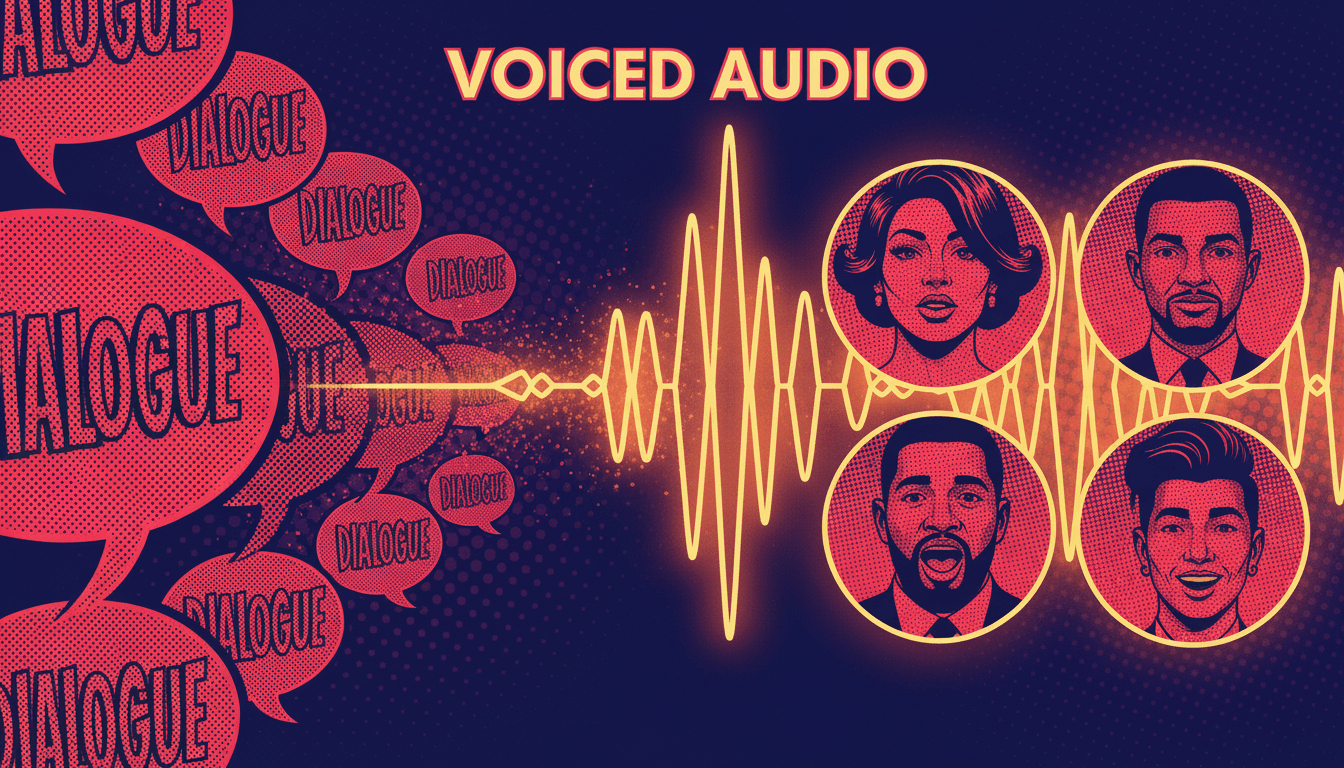
- Voiced dialogue with different voices per character
- One locked cast across every scene and episode
- Vertical 9:16 by default, widescreen when you need it
250,000+
Stories Created
80,000+
Characters Saved
45+
Art Styles
4.9/5
Creator Rating
How the Comic Drama Generator Works
Three steps from the story you already have to an episode with motion, voices and a cast that holds together.
Story Becomes Panels
Paste a chapter, a script or a one-line premise. C2Story picks the beats worth showing and draws them as panels in the art style you choose — inked manga, full-colour manhwa, whatever fits.
Chapter → staged panels
The Cast Gets Locked
Every character is saved to a shared library the first time they appear. From then on each panel pulls the same design, so nobody’s face quietly changes halfway through.
Same face, every panel
Panels Become an Episode
Camera moves, timing, per-character voices and music get layered over the panels, and the whole thing renders as a video — vertical for short-form, widescreen for YouTube.
Press play, not scroll
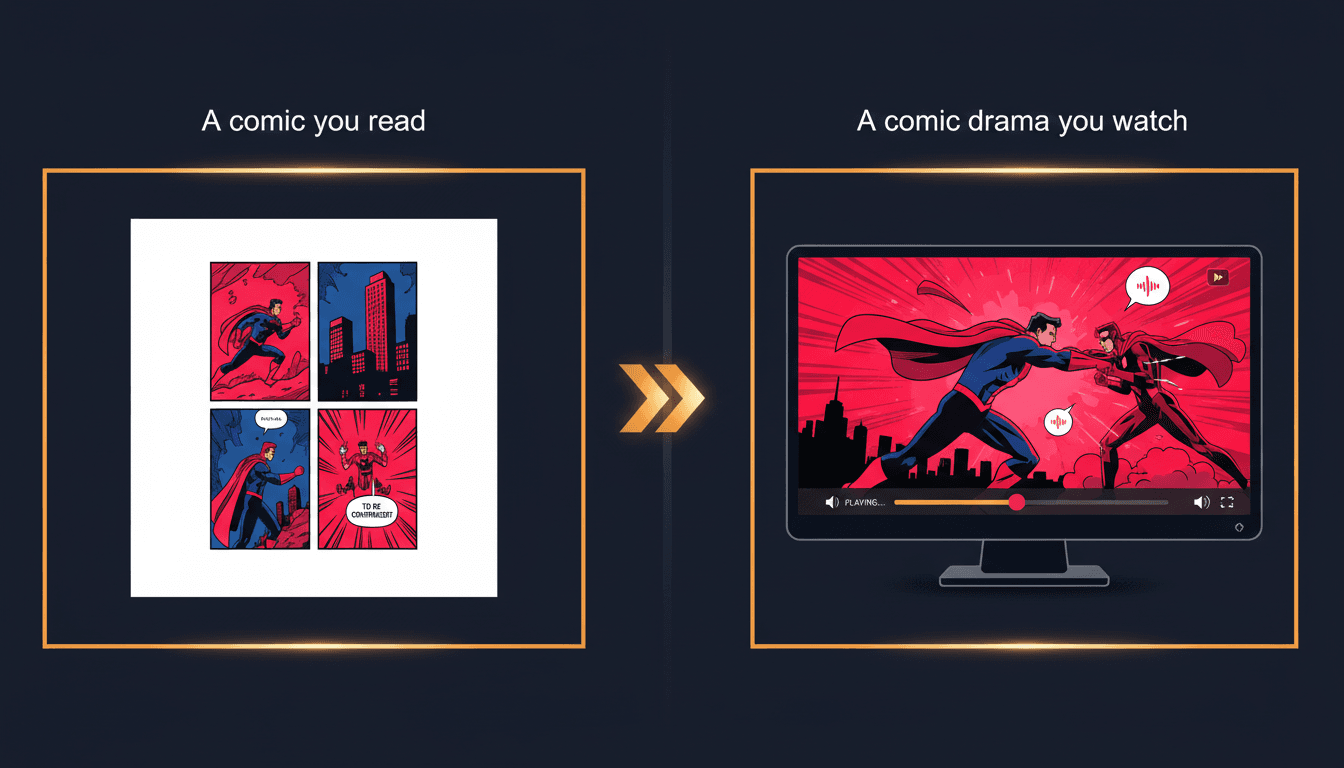
A Comic You Read vs a Comic Drama You Watch
A static page asks the reader to do the work — supply the pacing, the voices, the timing. A comic drama does that work for them, which is exactly why the format keeps winning attention on phones.
A Static Comic Page
- ✕ The reader sets the pace, so tension leaks out
- ✕ Dialogue is silent — no performance, no delivery
- ✕ Panels generated one by one drift off model
- ✕ Nothing to upload where short-form audiences are
A C2Story Comic Drama
- You control the timing, so the cliffhanger lands
- Lines are spoken, with a voice per character
- One locked cast across the entire run
- A real 9:16 video, ready to post
What You Actually Get
“AI comic drama” means different things on different sites, so here is exactly what comes out of C2Story — and what doesn’t.
Narrated Episode
Your illustrated panels with cinematic camera pushes and pans, full read-aloud narration in HD, and music underneath. The cheapest way to get a story watchable.
Every scene, fully narrated
Animated Episode
Instead of camera moves over a still, each scene renders as a genuinely moving clip with a condensed voiceover. Costs more per scene, looks considerably more alive.
Real motion per scene
Movie Cut
Up to eight key scenes cut as a film-trailer-style piece with native ambient audio and a trailer script. Flat price, regardless of how long the source story is.
Up to 8 key scenes
And what it isn’t
None of these levels are frame-by-frame hand-drawn animation. A studio anime episode takes a team months, and no generator replaces that yet. What C2Story gives you is a genuine, publishable episode — panels, motion, voices, music, a consistent cast — produced by one person in an afternoon. For serialized comic drama on short-form platforms, that is the format that actually gets watched. We would rather say so here than let you discover it after export.
Script In, Panels Staged, Episode Out
Watch a story move through the pipeline, land on a phone in vertical, and hold one consistent look across every genre you throw at it.
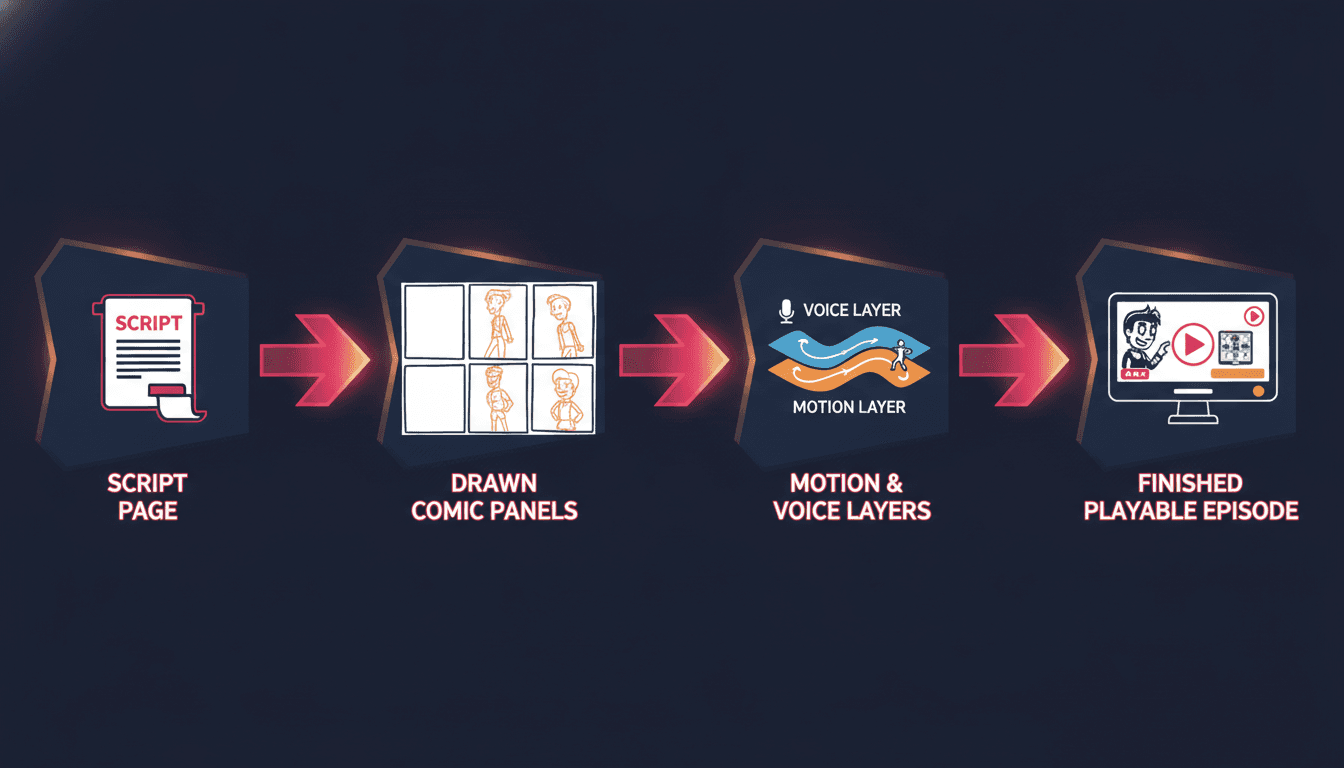
Script → Panels → Episode
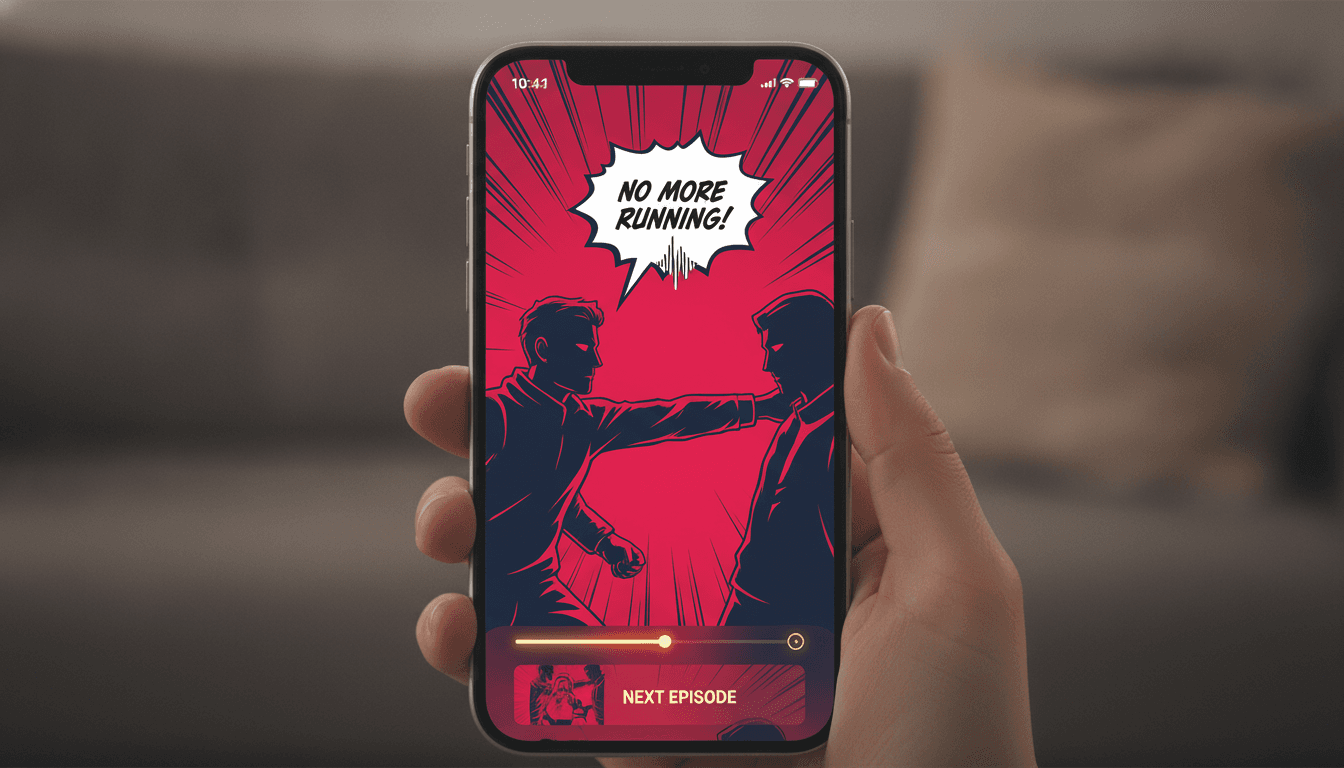
Built for Vertical
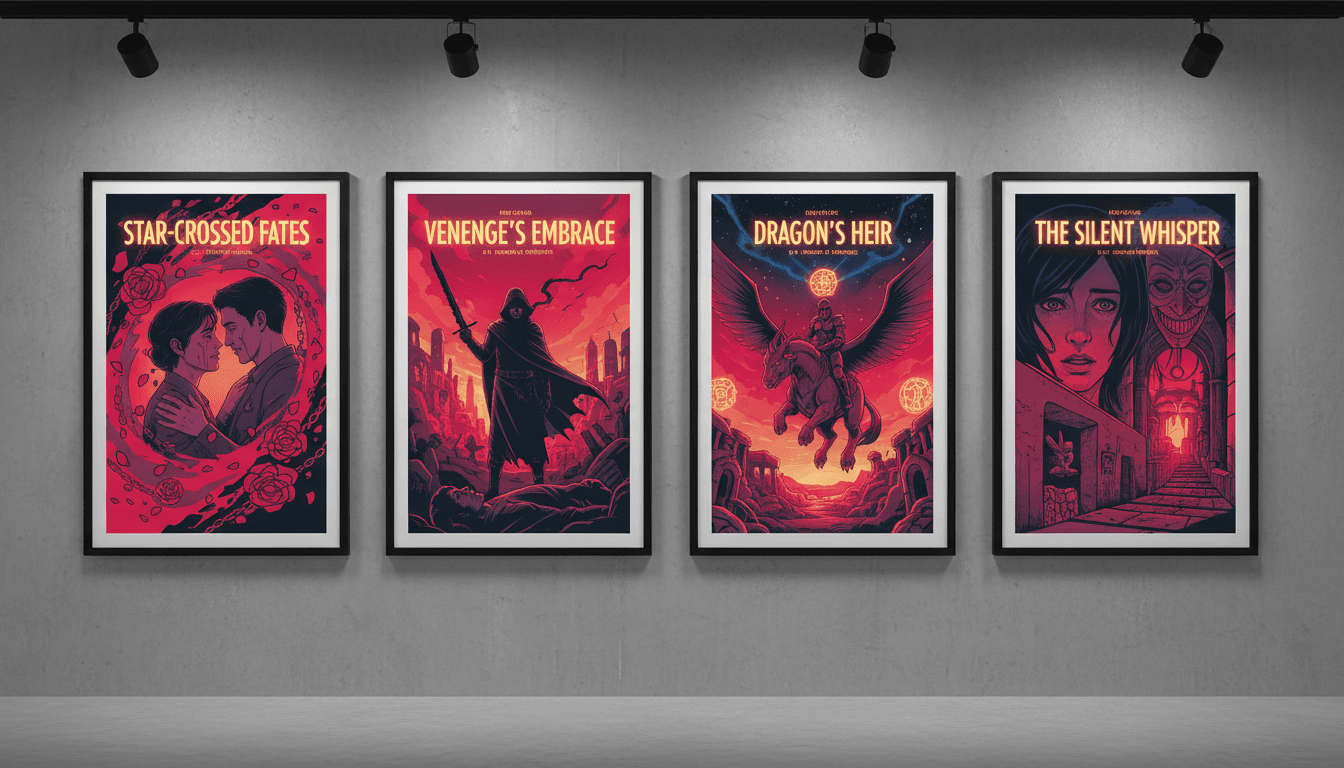
Any Genre, One Style
“Turn my web novel’s first arc into a comic drama episode”
“A revenge manhua drama where the heroine returns stronger”
“Make my comic script a vertical episode for short-form”
“A slow-burn romance drama, five episodes, same cast”
“Turn my chapter into a three-minute voiced episode”
“A fantasy comic drama with a cliffhanger every episode”
Built for Serialized, Short-Form Storytelling
Manhua drama, motion comics, vertical episodes — whatever you call the format, the pieces are the same: panels, voices, timing, and a cast that holds.
Panels, Cast, Voices, Episode
The panel in motion, the cast that stays on model, the bubbles that become spoken lines, and the finished episode — all rendered in whichever of 45+ art styles suits your story.
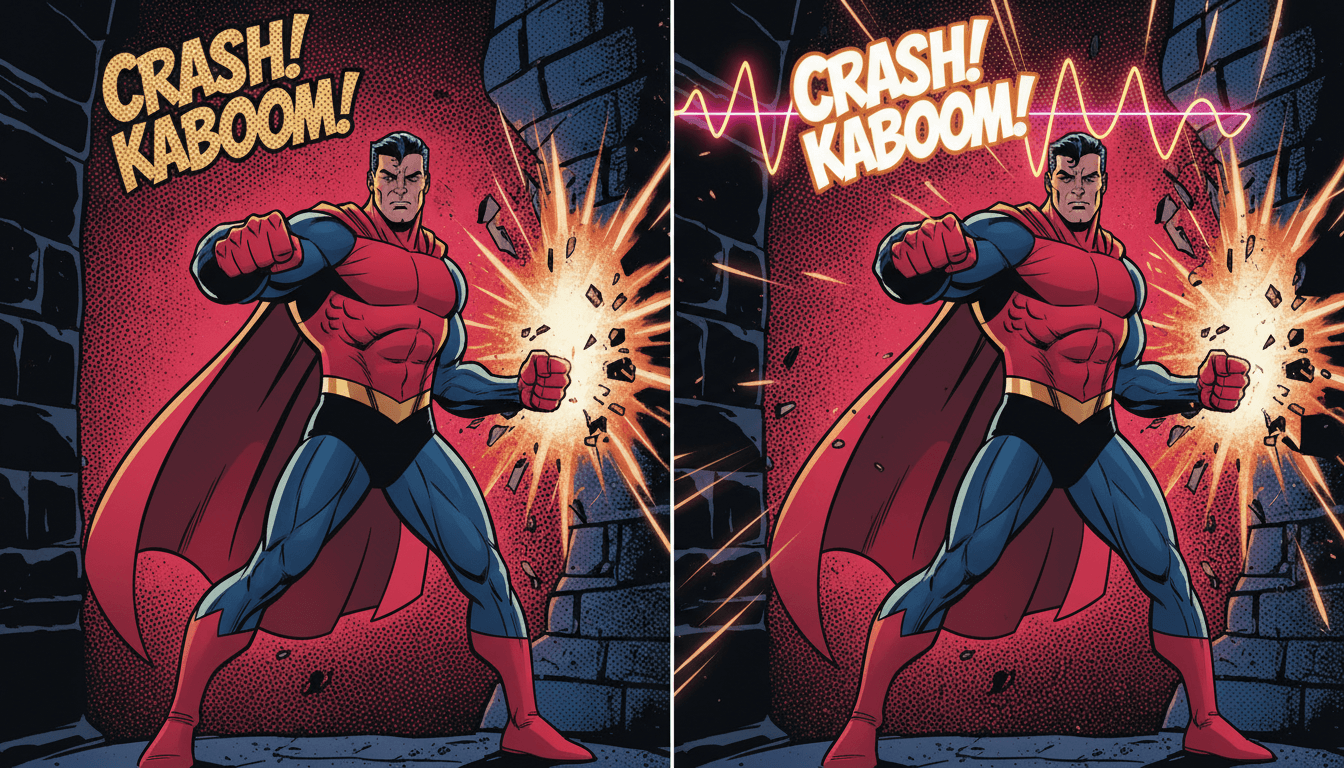
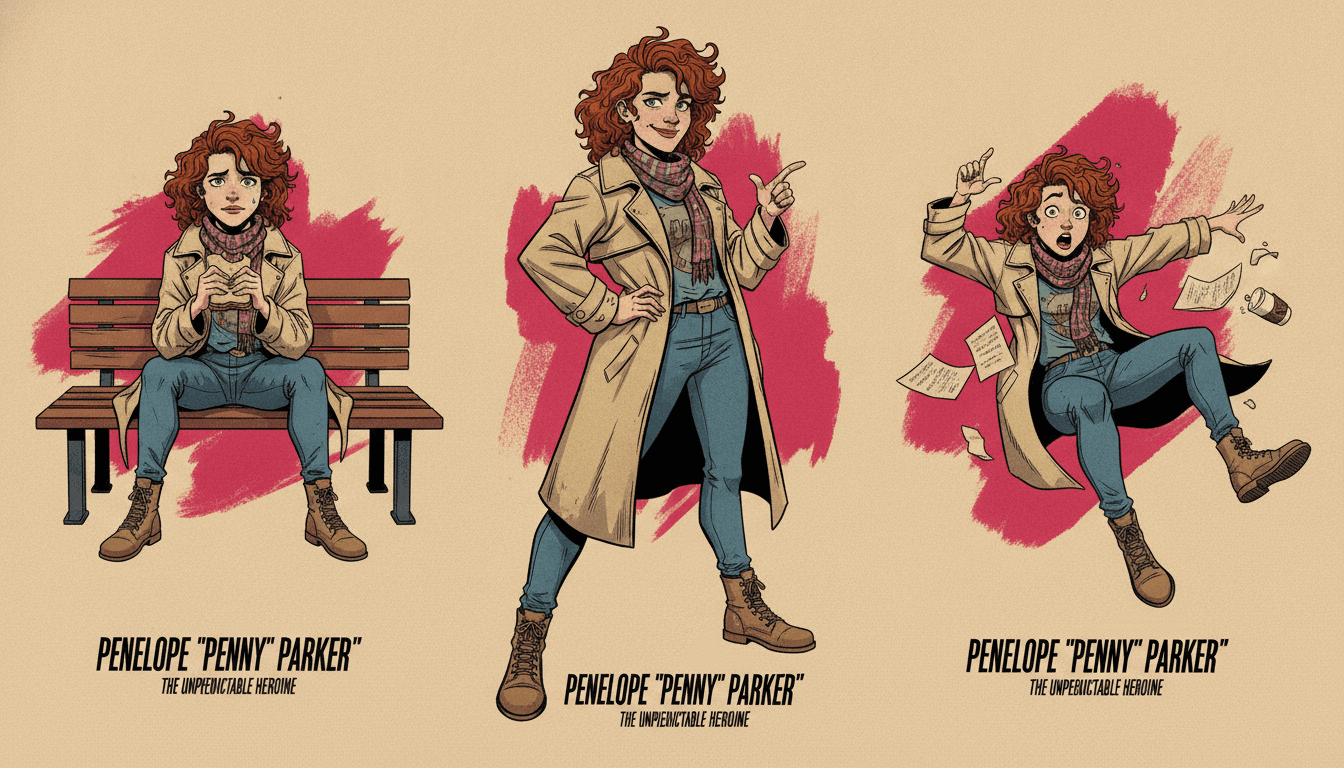
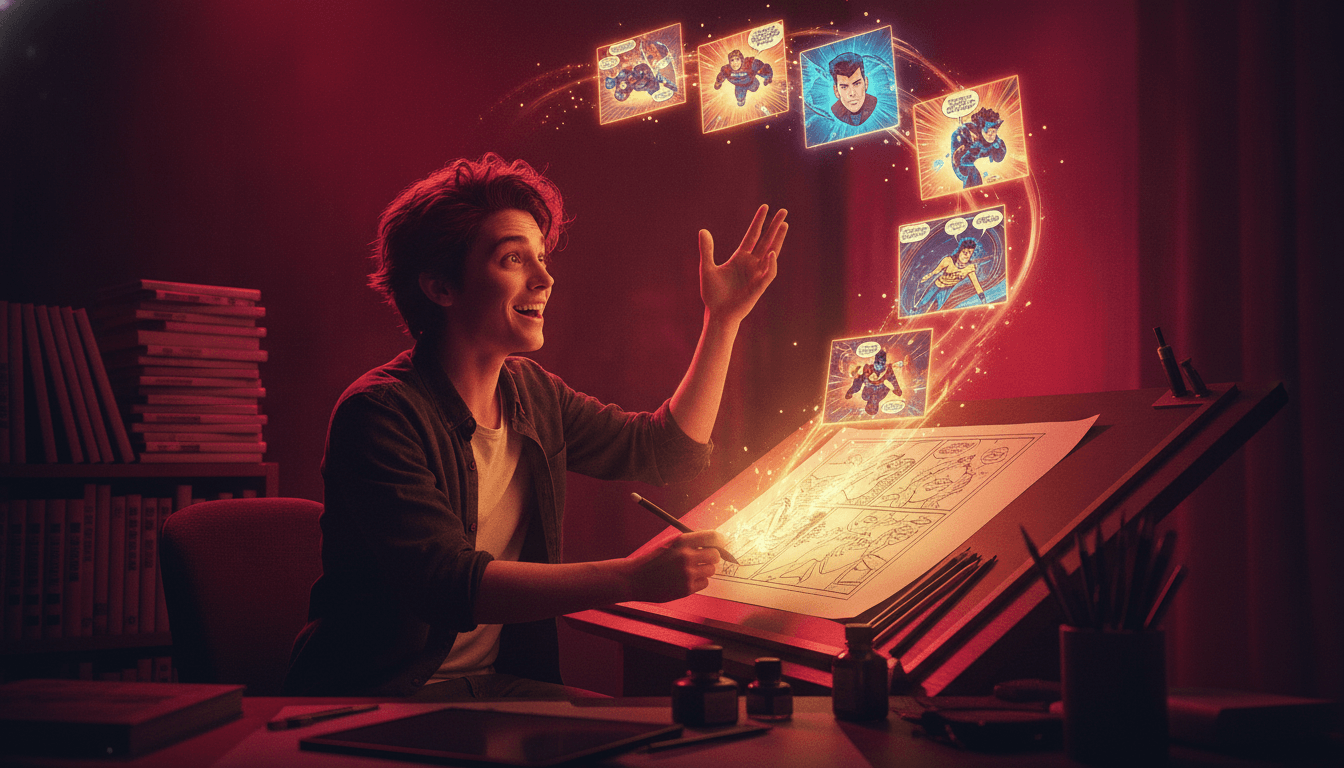
Render your comic drama in 45+ art styles including Manga, Comic, Anime, Watercolor and Storybook.
Everything the Generator Gives You
Panels that move, dialogue that speaks, a cast that holds, and an export that’s ready for the platform your audience is already on.
Panels That Actually Play
Your comic stops being something readers scroll past. Each panel gets camera motion, timing and sound, and the whole thing plays as an episode with a progress bar — a comic you watch, not just one you read.
Voiced Dialogue, Per Character
Speech bubbles become spoken lines. C2Story narrates every scene in HD and gives different characters different voices, so a two-hander actually sounds like two people talking instead of one flat read.
One Cast, Every Scene
The face drift that ruins most AI comics doesn’t happen here. Each character is locked in a shared library once, then reused, so your lead looks identical in episode one and episode ten.
Vertical by Default
Comic drama lives on phones, so episodes render 9:16 out of the box for TikTok, Reels and Shorts — with 16:9 available when you want the same episode on YouTube.
Built to Serialize
One episode is a test; a series is an audience. Keep the same cast and world across a whole run, so each new episode builds on the last instead of restarting from zero.
Three Levels of Motion
Pick how far you want to go — a narrated read-through with cinematic camera moves, genuinely animated clips per scene, or a film-trailer cut of the key moments. Same story, three budgets.
Who Is the Comic Drama Generator For?
Web Novel Authors
Your chapters already have the structure an episode needs. Adapt an arc into comic drama and reach the audience that would never open a text chapter.
Comic & Manhua Creators
You already have panels and a cast. Give them motion and voices so the work becomes something that plays in a feed instead of waiting to be clicked.
Short-Form Publishers
Comic drama is built for the vertical scroll — a hook in the first seconds, a cliffhanger at the end, and a next episode already queued.
Solo Creators & Studios of One
Producing serialized animation used to need a team. One person can now ship an episode a week without losing the look between them.
Comic Drama, Static Comic, or Just the Video?
Everything shares the same character library, so a cast you build in one tool comes with you into all the others.
Want a comic drama episode now?
Panels, motion, voices and a locked cast, rendered as a video you can post — you’re in the right place.
Just want the comic itself?
The AI comic creator makes the pages without the video step — the right call if you publish to a comic platform.
Want inked manga pages?
The manga generator handles black-and-white panelled manga with screentone, the traditional way.
Publishing to a vertical scroll?
The webtoon generator lays your story out as a continuous vertical scroll rather than cutting it into episodes.
Adapting a whole novel?
The novel-to-comic tool handles long-form source material and maps chapters onto panels at scale.
Fighting character drift?
The character consistency tool pins each design so your cast stays identical across every panel and episode.
Frequently Asked Questions
Explore More Story Ideas
Discover more styles, tools, and story types
Magic Stories
Spellbinding magical adventures
Explore
Negative Space Books
Two colours, and the gap is a second picture
Explore
Bedtime Stories for Anxious Kids
Calming tales that soothe worries
Explore
Storybird Alternative
Better AI story creation
ExploreAI Comic Drama Generator — Panels in Motion, Dialogue Spoken, One Cast Throughout
Comic drama — also called manhua drama or motion comic — is the format that sits between a comic you read and an animated series you watch. Panels move, dialogue is spoken aloud, music runs underneath, and episodes are short enough to finish in a scroll session. It has grown fast for a simple reason: a static page asks the reader to supply the pacing and the voices themselves, while a comic drama does that work for them. An AI comic drama generator makes the format reachable for creators who don’t have an animation team behind them.
C2Story handles the whole chain rather than one step of it. You bring a story — a web novel chapter, a comic script, a rough outline, or a single-sentence premise — and it selects the beats worth showing, draws them as panels in whichever of 45+ art styles you pick, then stages those panels as an episode with camera motion, HD narration, per-character voices and a score. The result renders vertical 9:16 by default for TikTok, Reels and Shorts, with widescreen 16:9 available when the same episode needs to live on YouTube.
The hard part of AI comics has always been character consistency. Generate each panel independently and your lead’s face, hair and outfit drift by page three, which is fatal for a serialized format where readers are supposed to recognise someone ten episodes later. C2Story avoids this by saving every character to a shared library the first time they appear, then pulling that same locked design into each subsequent panel and each subsequent episode. One cast, one look, across the whole run.
It’s worth being straight about the ceiling: none of this is frame-by-frame hand-drawn animation, and a studio anime episode still takes a team months. What you get instead is a genuine, publishable episode — panels, motion, voices, music and a consistent cast — that one person can produce in an afternoon, which is precisely the format short-form audiences watch.
Ready to make one? Start with the comic drama generator and turn your story into a watchable episode. Want the comic pages without the video step? Use the AI comic creator. Prefer inked black-and-white panels? Try the AI manga generator. Publishing to a continuous vertical scroll instead of episodes? The AI webtoon generator lays it out that way. Adapting a full-length novel? The novel-to-comic tool maps chapters onto panels at scale. And if character drift is the thing standing in your way, pin every design with the character consistency tool or open your character library to start from a cast you already built.