
How to Create Characters for a Story
A practical guide to creating characters for a story readers actually remember — give them goals, flaws, and a backstory, then design them visually with AI and keep them on-model across every chapter, panel, and scene.
- The 6 steps to build a memorable character
- Turn a written description into an illustrated design
- Keep the same character consistent everywhere
- Works for novels, comics, fanfic, and kids’ books
500,000+
Characters Designed
6 Steps
To a Memorable Character
On-Model
Across Every Scene
4.9/5
Creator Rating
How to Create Characters for a Story in 6 Steps
Memorable characters aren’t about a cool look first — they’re built from the inside out. Follow these steps to create a character for a story that readers connect with and remember.
Start With a Role and a Goal
Before anything else, decide what the character is for. What do they want, and why does it matter? A clear goal — and the fear of not getting it — is the engine that drives every memorable character in a story.
Ask: “What does this character want more than anything?”
Give Them a Flaw and a Wound
Perfect characters are boring. The most relatable way to create characters for a story is to pair a strength with a flaw and a backstory wound that explains it. Flaws create conflict, and conflict creates story.
A brave hero who can’t admit when they’re wrong is far more interesting than one who’s simply brave.
Write a Short Backstory
You don’t need a novel of history — just a few key moments that shaped who they are. A backstory gives a character a past to react against and makes their choices in the story feel earned.
Three sentences of backstory is enough to make a character feel real.
Find Their Voice and Quirks
How does the character speak, move, and react under pressure? Small, specific quirks — a catchphrase, a nervous habit, a way of seeing the world — make a character instantly recognizable on the page.
Voice is what lets a reader know who’s speaking before you name them.
Design How They Look
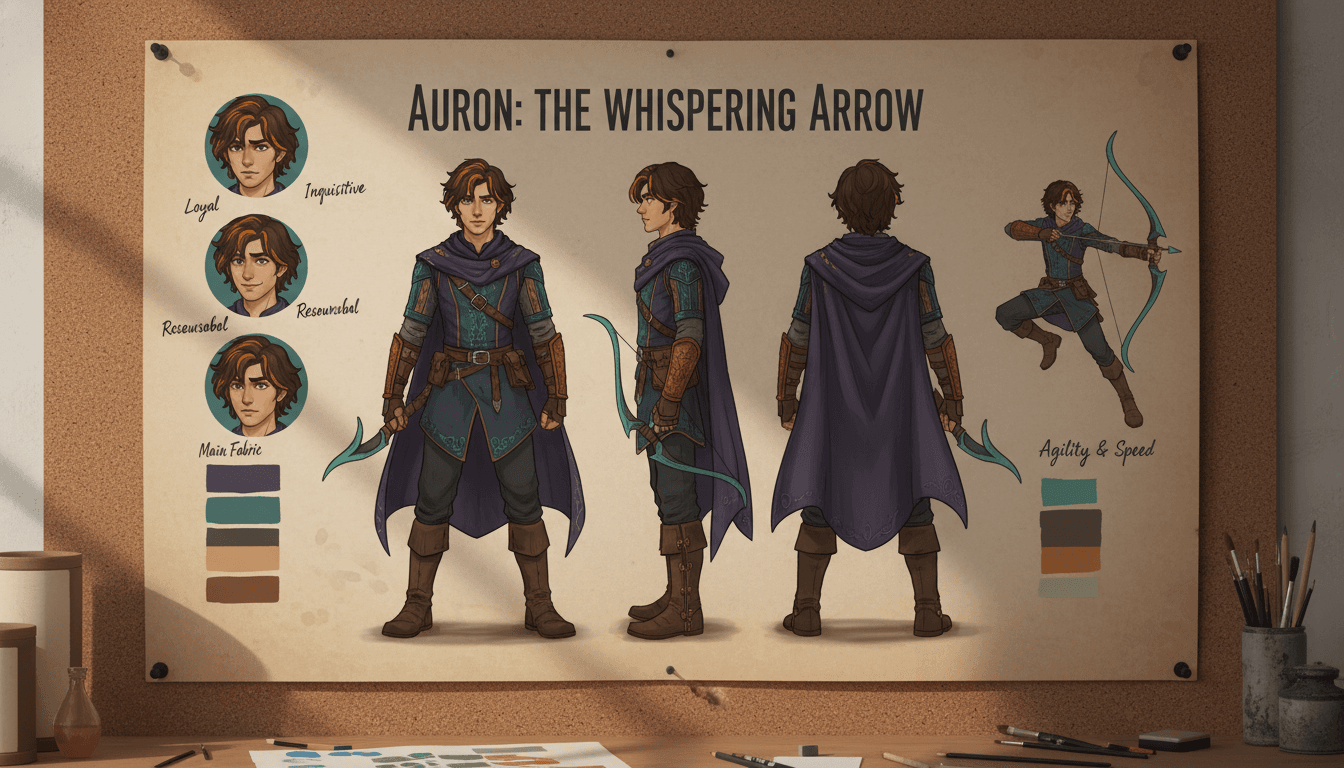
Now make them visual. Pin down their appearance — face, hair, build, signature outfit, colors — so the character isn’t just words. This is where C2Story turns your description into an illustrated, on-model character design.
A signature color or item makes a character easy to spot in any scene.
Lock the Design and Reuse It
The final step most guides skip: keep the character consistent. Lock the design once and reuse the exact same face across every chapter, comic panel, and illustration — so readers always recognize who they’re following.
Consistency is what turns a sketch into a character readers remember.
A Character Readers Recognize Every Time
You can write the perfect personality, but if the art shows a different face on every page, readers lose the thread. The last step of creating characters for a story is keeping them consistent.
One-Off Image Generators
- ✕ A different-looking character every time
- ✕ No memory of your character’s design
- ✕ You re-describe them from scratch each prompt
- ✕ Readers can’t tell who’s who
C2Story Character Library
- Design the character once, lock the look
- The same face on every page and panel
- A whole cast saved and reusable
- Readers recognize your character instantly
Turn a Description Into a Real Character
Define the traits, turn your words into a face, and keep that face on-model everywhere — the three things you need to bring a story character to life.
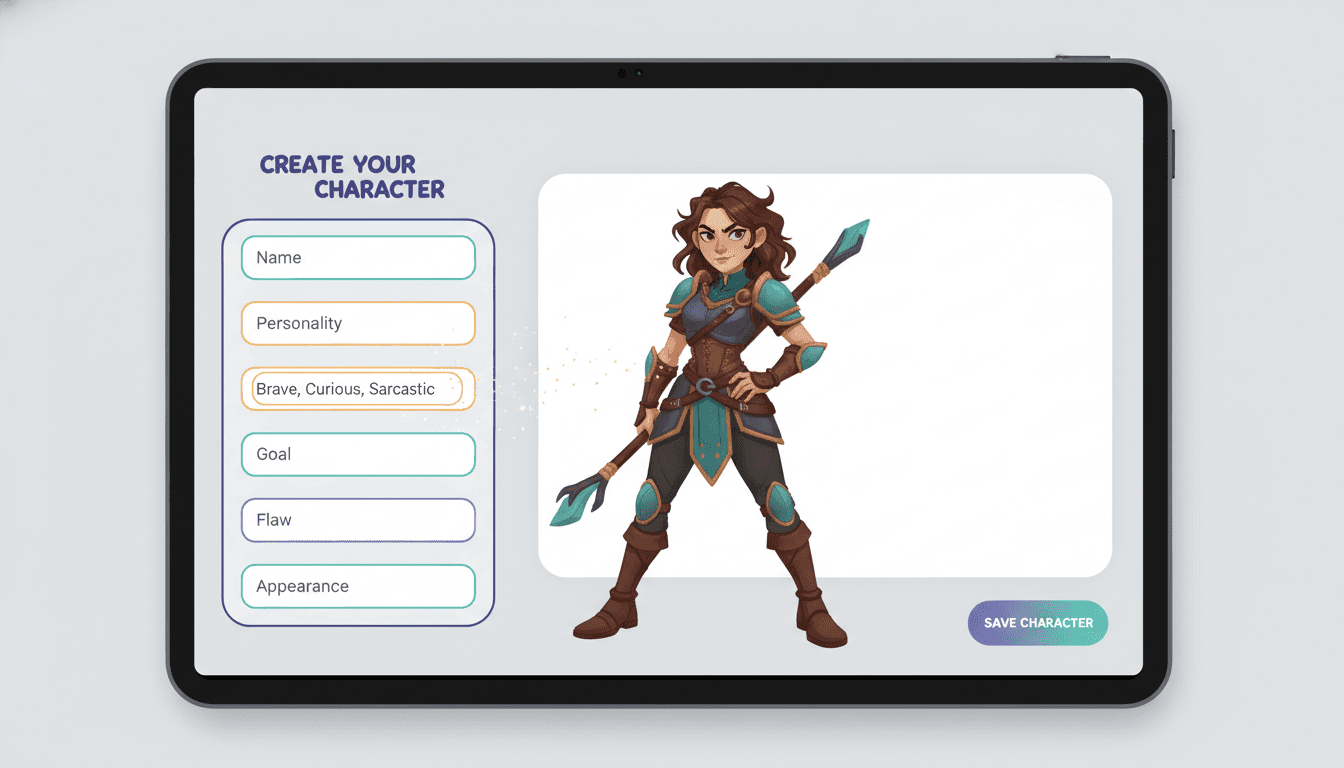
Define the Traits
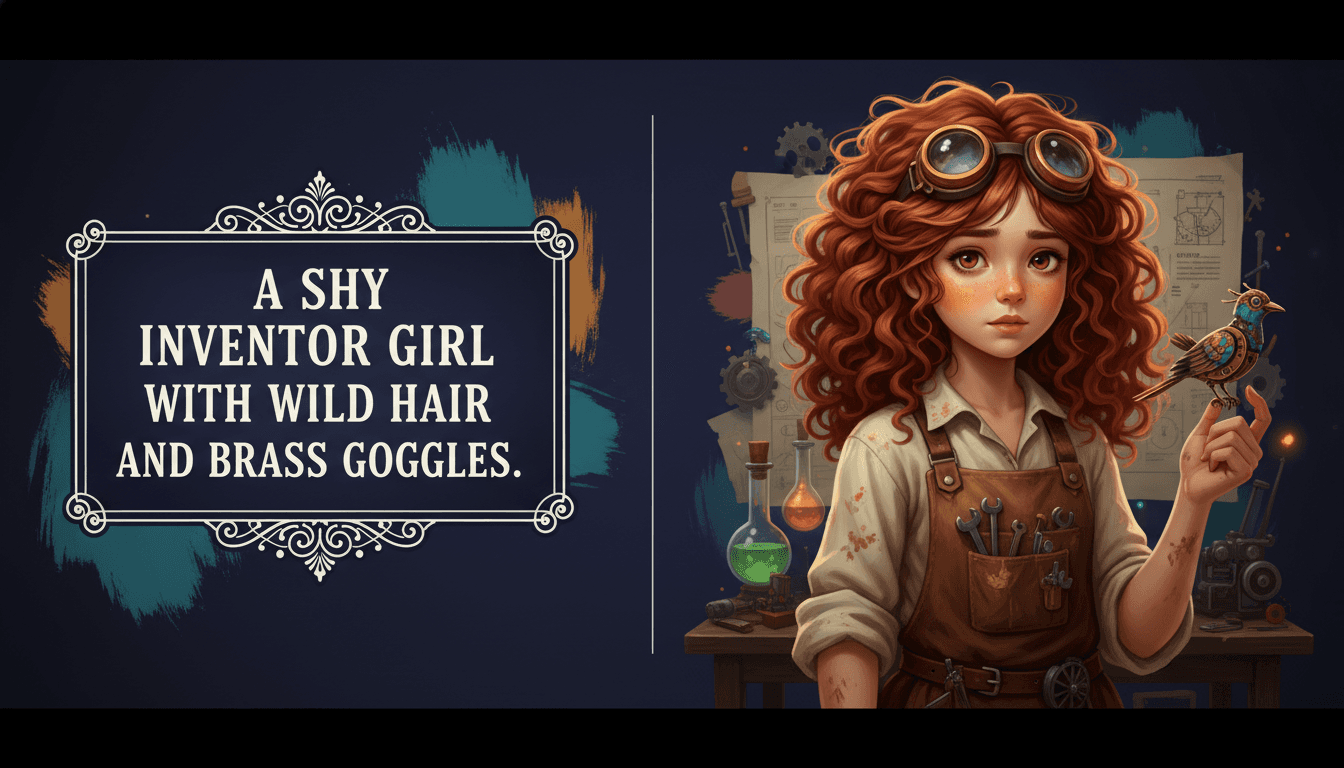
From Words to a Face
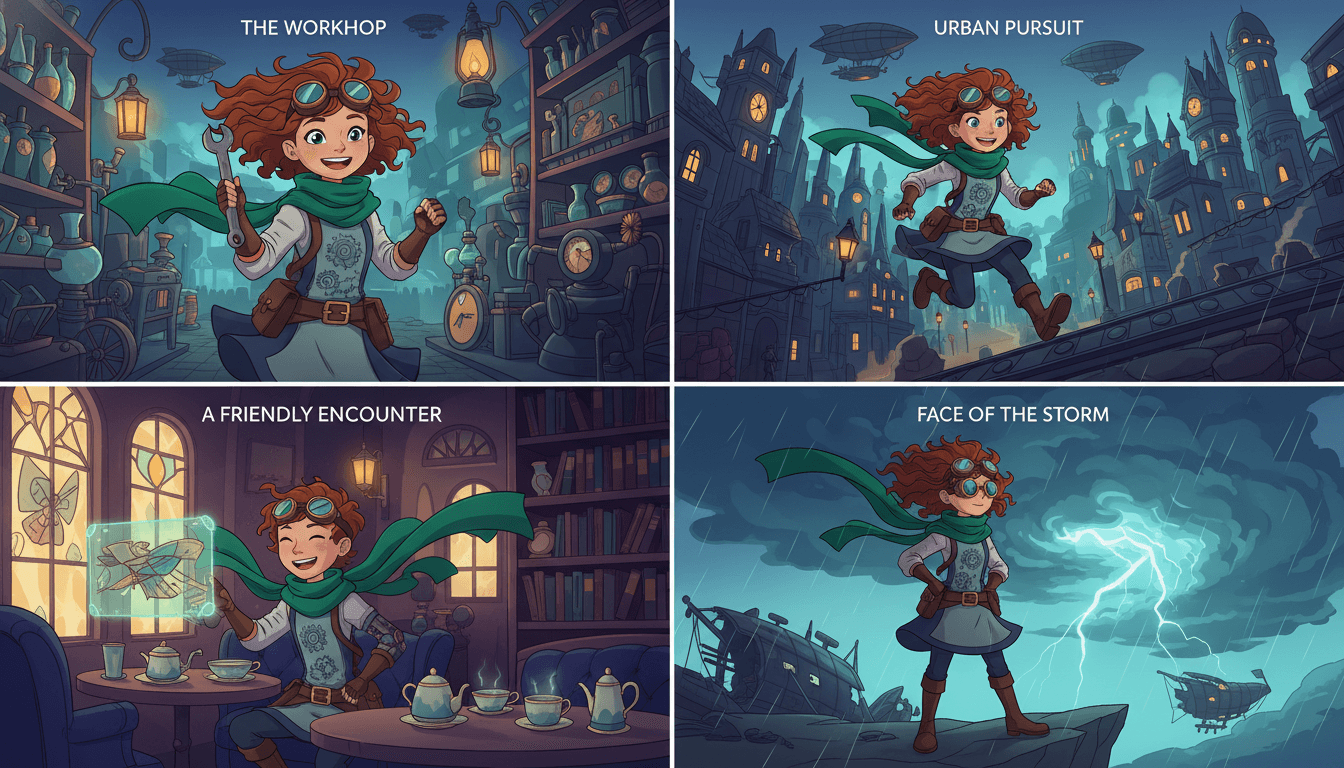
On-Model Everywhere
Stuck for ideas? These character concepts each become an illustrated, reusable design in one click:
“A shy teenage inventor with wild curly hair, brass goggles, and a fear of being overlooked”
“A loyal talking fox sidekick who hides his loneliness behind constant jokes”
“A calm, charming villain who truly believes she is saving the world”
“A retired knight turned reluctant mentor, gruff outside, gentle underneath”
“A curious little girl who is brave for everyone but herself”
“A rival classmate whose ambition slowly turns to friendship”
Everything That Goes Into a Story Character
When you create characters for a story, these are the pieces worth thinking through — C2Story helps you nail the visual ones and keep them consistent.
What Makes a Story Character Memorable
Six ingredients separate a flat name on the page from a character readers root for, quote, and remember.
A Want and a Need
Great story characters are built on desire. The “want” is the goal they chase on the surface; the “need” is the deeper lesson they have to learn. The gap between the two is where character growth lives.
A Meaningful Flaw
A flaw is not a weakness to fix on page one — it’s the thing that gets in the character’s way again and again. When you create characters for a story, the flaw is what makes their journey worth following.
A Clear Arc
Decide how the character changes from beginning to end — do they grow, fall, or hold firm while the world changes around them? An arc turns a static figure into a real character.
A Distinct Voice
The way a character talks, jokes, and reacts should be unmistakably theirs. A strong voice is often what readers quote and remember long after the plot fades.
A Visual Identity
Face, hair, build, signature outfit, and colors give a character a look readers can picture instantly — and that you can illustrate consistently across every scene.
Consistency Across Scenes
A character only feels real if they look the same every time they appear. Locking the design is the difference between scattered art and a recognizable cast.
One Character, Designed Every Way You Need
Expression sheets, arcs, hero-vs-villain contrast, and a full cast on the page — all from a single, consistent character design.
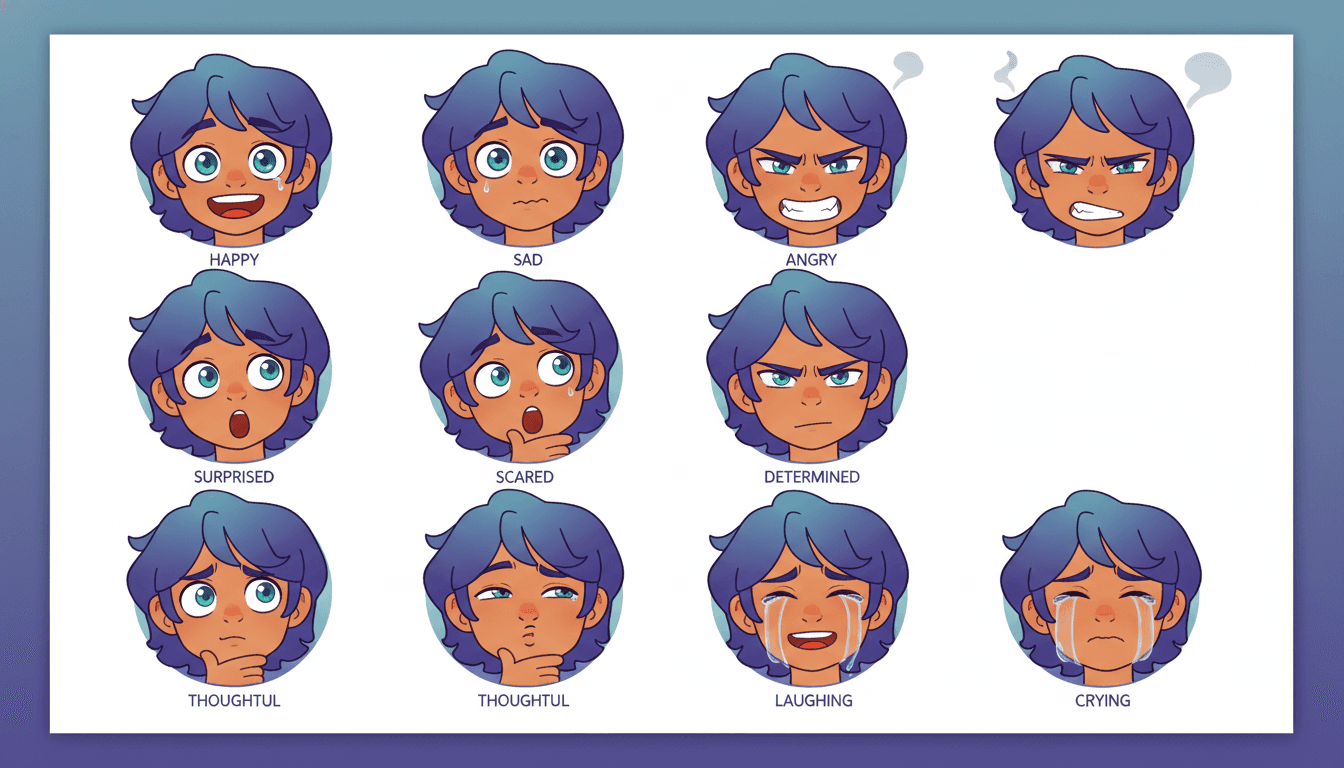
Expressions
Same face, many moods
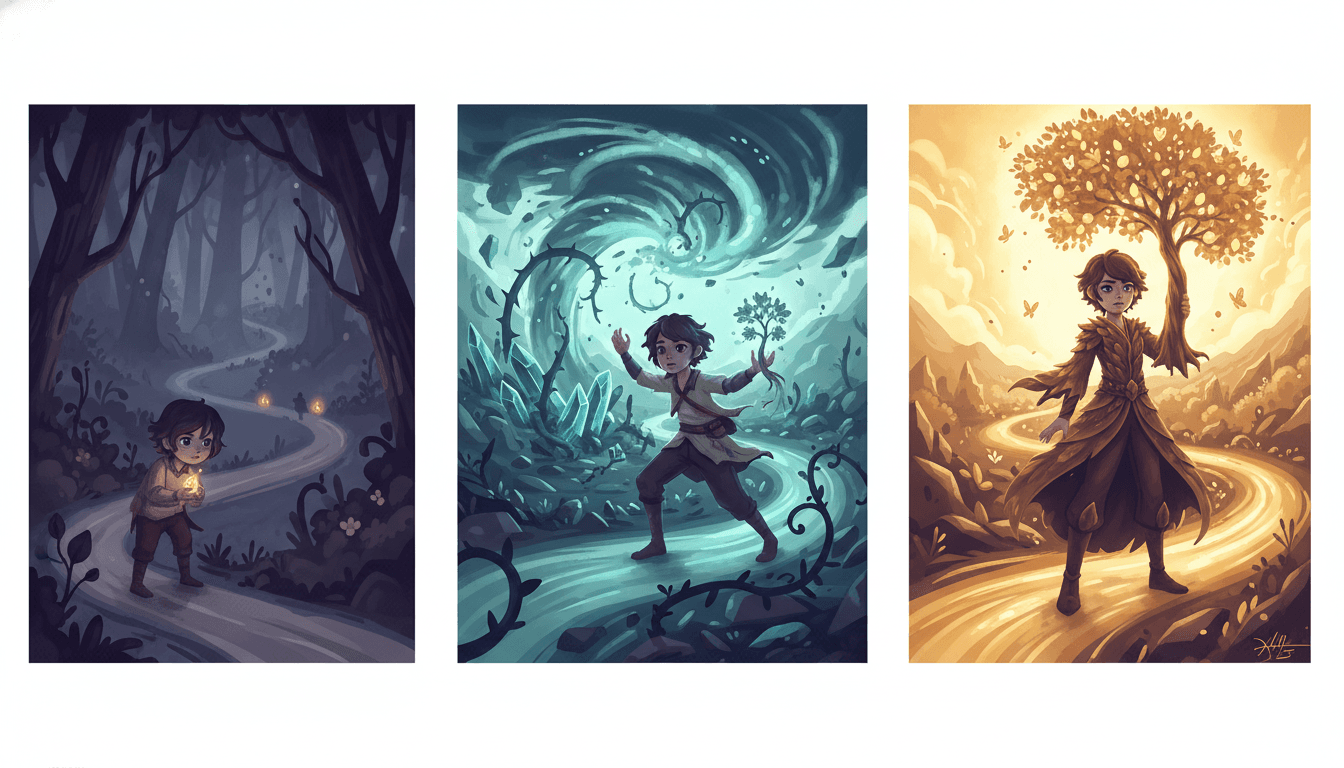
Character Arc
Growth & change
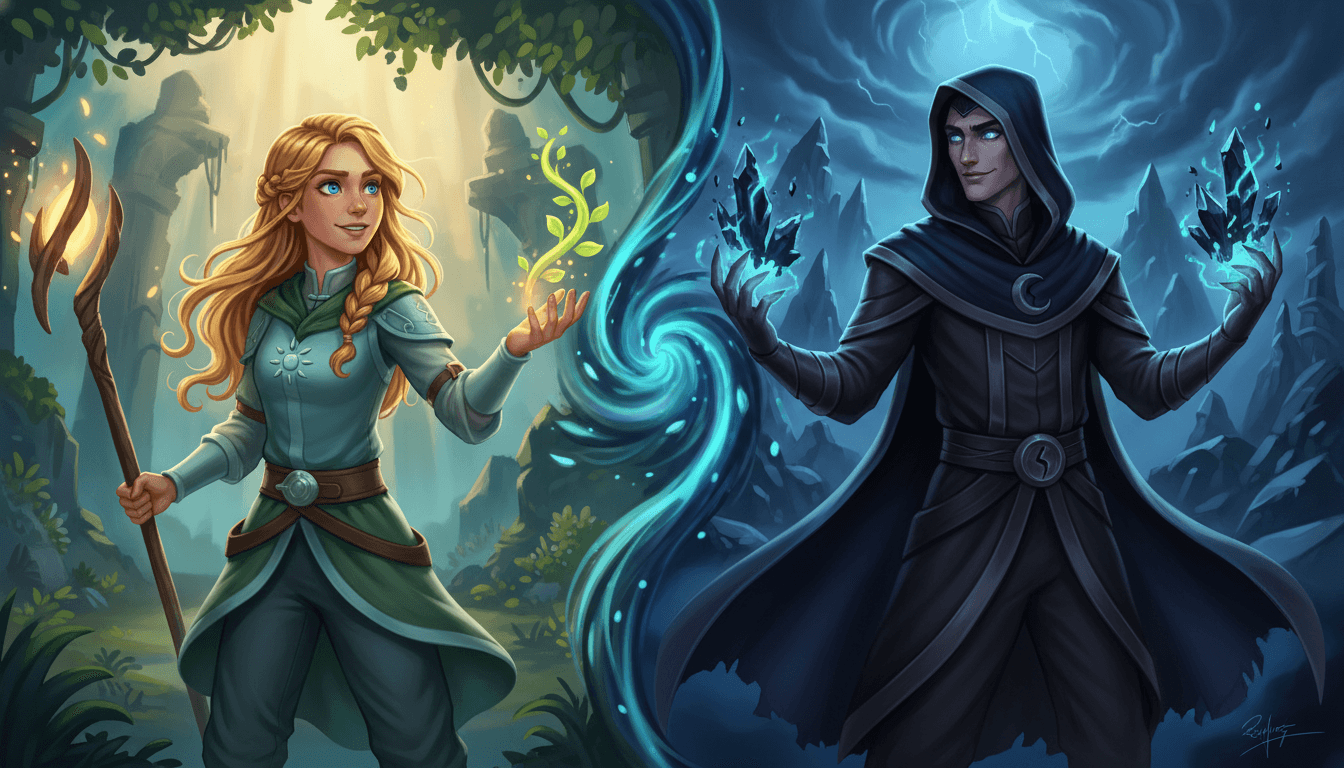
Hero vs Villain
Built on contrast
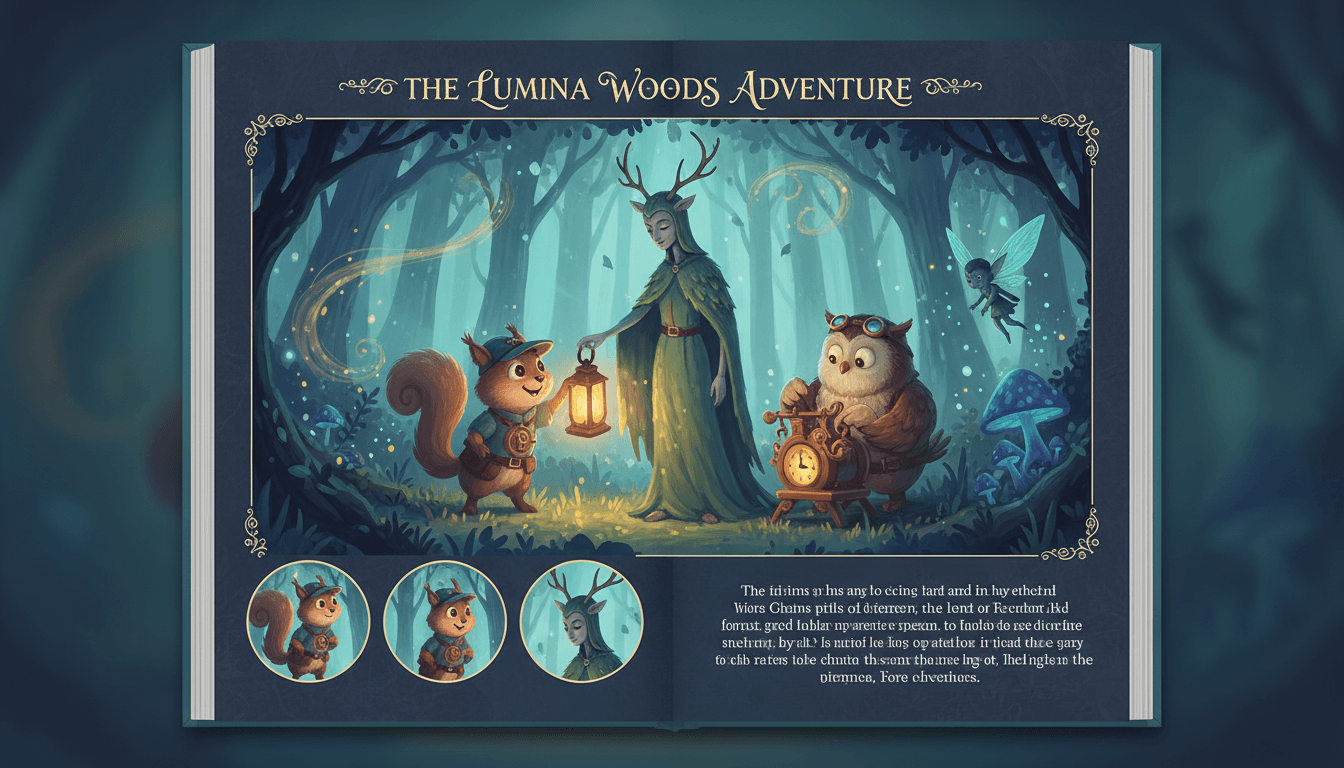
In a Real Story
Cast on the page
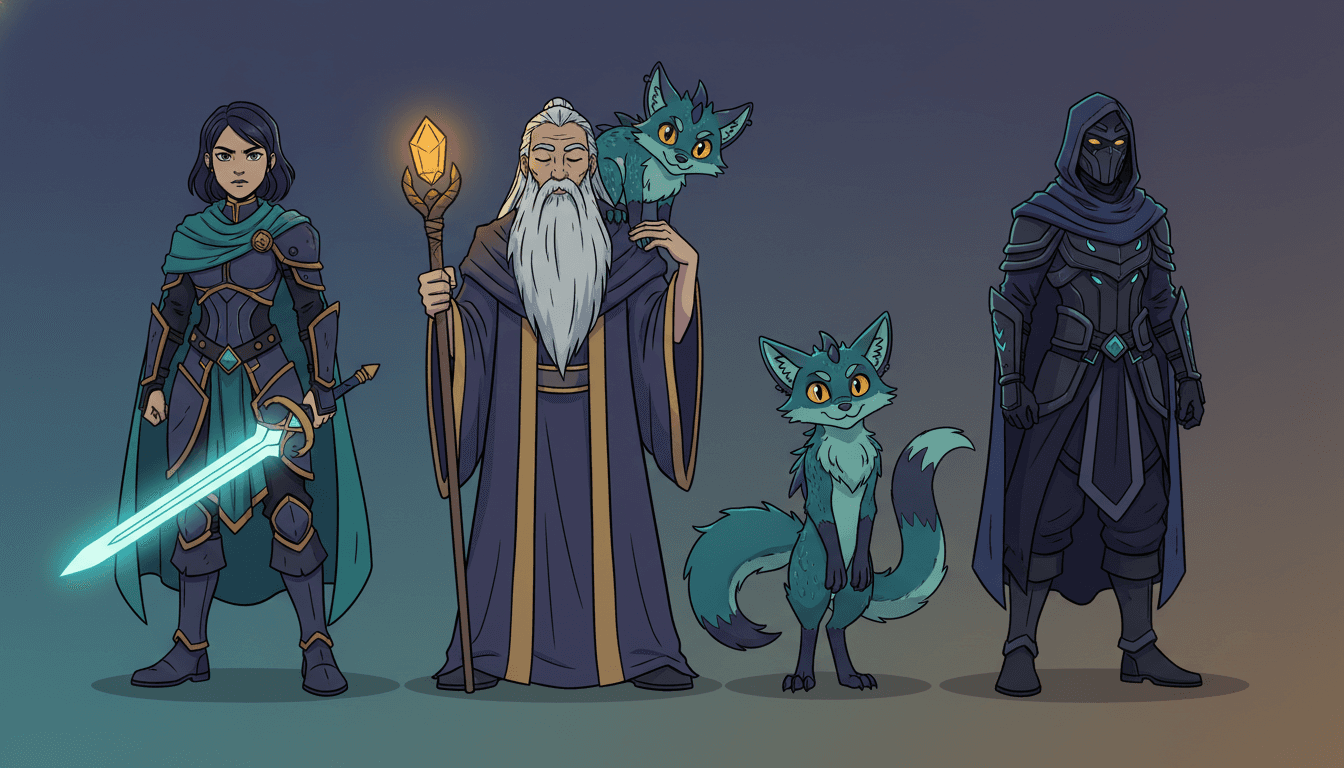
The Full Lineup
A cohesive cast
And 45+ art styles including Watercolor, Cartoon, Anime, Pixar-3D, and Storybook.
Who This Guide Is For
New Writers & Students
Learn a clear, repeatable method for building characters that readers care about — perfect for creative-writing classes and your first novel.
Novelists & Authors
Develop a deep cast with goals, flaws, and arcs, then visualize them so your characters feel real on the cover and in every illustration.
Fanfic & Comic Creators
Build original characters (OCs) and keep them on-model across every chapter, panel, and crossover, no matter how long the story runs.
Children’s-Book Authors
Create a lovable hero a child can follow from page one to the end, with the same friendly face on every spread.
Ready to Build Your Cast?
Every tool shares the same character library, so a character you design once comes with you into any story.
Writing a book or story?
The story character creator helps authors build and visualize a cast for a novel or short story, with consistent designs.
Want to design any character fast?
The AI character generator turns a description into a polished, on-model character you can reuse anywhere.
Making an original character (OC)?
The OC creator is built for fandom, fanfic, and comics — design your OC and keep them on-model across every story.
Already have characters?
Open your character library to manage your whole cast and drop them into a new story whenever you like.
Frequently Asked Questions
Explore More Story Ideas
Discover more styles, tools, and story types
Music Stories
Singing, instruments, bands and concerts
Explore
Pixel Art Picture Books
A fixed grid, a rationed 16-bit palette
Explore
Children's Book Creator
Design beautiful kids books
Explore
ChatGPT vs C2Story
Purpose-built for picture books
ExploreHow to Create Characters for a Story — From Idea to Illustrated Cast
Learning how to create characters for a story is the single most important skill in storytelling — readers follow people, not plots. The best way to create a character for a story is to build from the inside out: start with what the character wants and why, give them a flaw and a backstory wound that gets in their way, and find a distinct voice before you ever decide what they look like. A character with a clear goal, a real weakness, and a unique way of speaking will carry your story far better than a beautiful design with nothing underneath.
Once the personality is in place, creating characters for a story becomes a visual job. This is where most writers get stuck and where C2Story helps: describe your character in plain words — their face, hair, build, signature outfit, and colors — and the AI turns that description into a polished, illustrated character design. You don’t need to draw. You refine the look until it matches the character in your head, then save it. Whether you’re writing a novel, a webcomic, a fanfiction, or a children’s book, the same method works: define the role, the goal, the flaw, the arc, and the look.
The step almost every guide on how to make characters for a story forgets is consistency. A character only feels real if they look the same every time they appear. C2Story locks your character’s design into a reusable library, so the exact same face shows up on every page, panel, and chapter — no re-describing, no slightly different person each time. That on-model consistency is what lets readers recognize and bond with your character across an entire story, and it’s what turns a one-off illustration into a true recurring cast.
Ready to put the method to work? If you’re writing a book, start with the story character creator. To design any character quickly from a description, use the AI character generator. Building an original character for fandom or comics? The OC creator is made for that, and you can manage your whole cast in your character library. Create your characters once, keep them consistent everywhere, and let the story be the part you focus on.