Sumi-e Ink WashPicture Books
Sumi-e illustration works by leaving things out. One pass of the brush, no white paint, and most of the page bare on purpose — applied across a whole ink wash picture book rather than one lucky painting.
- Real ink behaviour — one-pass strokes, dry-brush flying white
- Four ink looks: black-and-red, pink wash, blue-green, wild ink
- The empty space is kept, not filled in
- Free credits by request — no card
50,000+
Stories Created
10,000+
Active Creators
50+
Art Styles
4.9/5
User Rating
What Makes a Sumi-e Illustration Look Like Ink
Not the colour — most of these pages barely have any. Ink wash is recognised by four things that follow from putting wet ink on paper that absorbs it.
There is no white paint
The paper is the brightest thing available, so every highlight is somewhere the brush never went. Light is subtracted, not added. That single fact reorganises the whole page: you plan the empty parts first and put ink in what is left.
One pass, no corrections
Ink soaks into absorbent paper on contact. A stroke cannot be gone over, lightened or tidied, so its width, speed and hesitation are permanent. A sumi-e line records the hand that made it in a way a vector line never can.
Flying white
Drag a half-dry brush and it skips, leaving streaks of untouched paper inside the mark itself. Chinese painters call it 飞白 — flying white. It reads as speed and texture at once, and smoothing it out is the fastest way to kill the style.
Emptiness is a subject
The blank band between a near ridge and a far one is not unfinished background — it is the mist, and it is doing the work. Negative space in ink wash carries distance, weather and silence, which is why a sparse page can still feel full.
The Empty Part of the Page Is the Part You Have to Design
Every other illustration style is a budget you spend. You add a background, then props, then texture, then light, and the page gets better as it gets fuller. An ink wash picture book inverts that. You get a small number of marks, the rest of the sheet stays bare, and the composition has to work anyway.
Which makes this the hardest style to automate, because an image model's instinct is to fill. Ask for a lone figure on an empty page and you will usually be handed a figure, a tree, a temple, three birds and a decorative border. So the ink styles are told, in writing, not to do that — and told to leave the sparseness alone:
Style vocabulary is not scene content. Motifs describe visual treatment only — no unrequested people, objects, architecture or lettering get added merely because they occur in the style's own vocabulary.
Deliberate sparseness is preserved. Grain, roughness and sparse detail are kept when they are part of the selected style, rather than being smoothed into something more finished.
The ink styles also carry their refusals. Alongside what they ask for, each one names what must not appear on any page of your book:
Create an Ink Wash Picture Book in 3 Steps
From a one-line idea to a finished book painted in ink, in under two minutes.
Describe the story
A sentence is enough. Ink wash rewards stories with weather, water, distance or stillness in them, so something like "a fisherman waits all day and the weather changes around him" gives the brush plenty to do.
"One crane, one marsh, four seasons"
Pick the ink style
Minimal Sumi-e & Red for black ink and one bold red, Romantic Pink Sumi-e for soft blooming washes, Song Blue-Green Landscape for classical mineral greens, or Wild Ink Weirdness for folklore with teeth.
Dry-brush ink, flying white, generous emptiness
Generate and export
C2Story writes the story, breaks it into pages and paints every one of them in your chosen ink style. Read it on screen, share the link, or export the PDF and take it to a printer.
Whole book painted, PDF export, instant sharing
Four Ink Wash Looks on C2Story
Worth knowing before you choose: sumi-e here is not monochrome. Three of these four bring colour in deliberately, as an accent against the ink rather than a replacement for it.
Minimal Sumi-e & Red
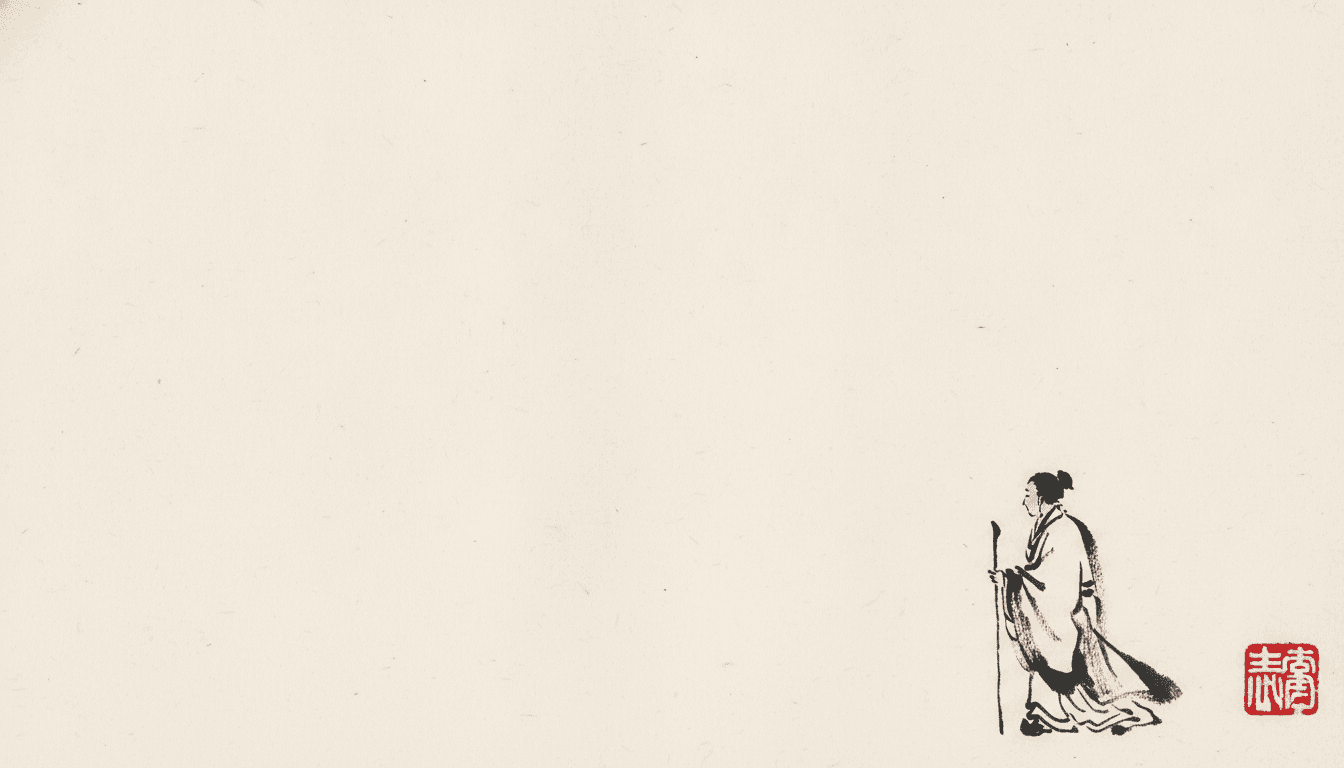
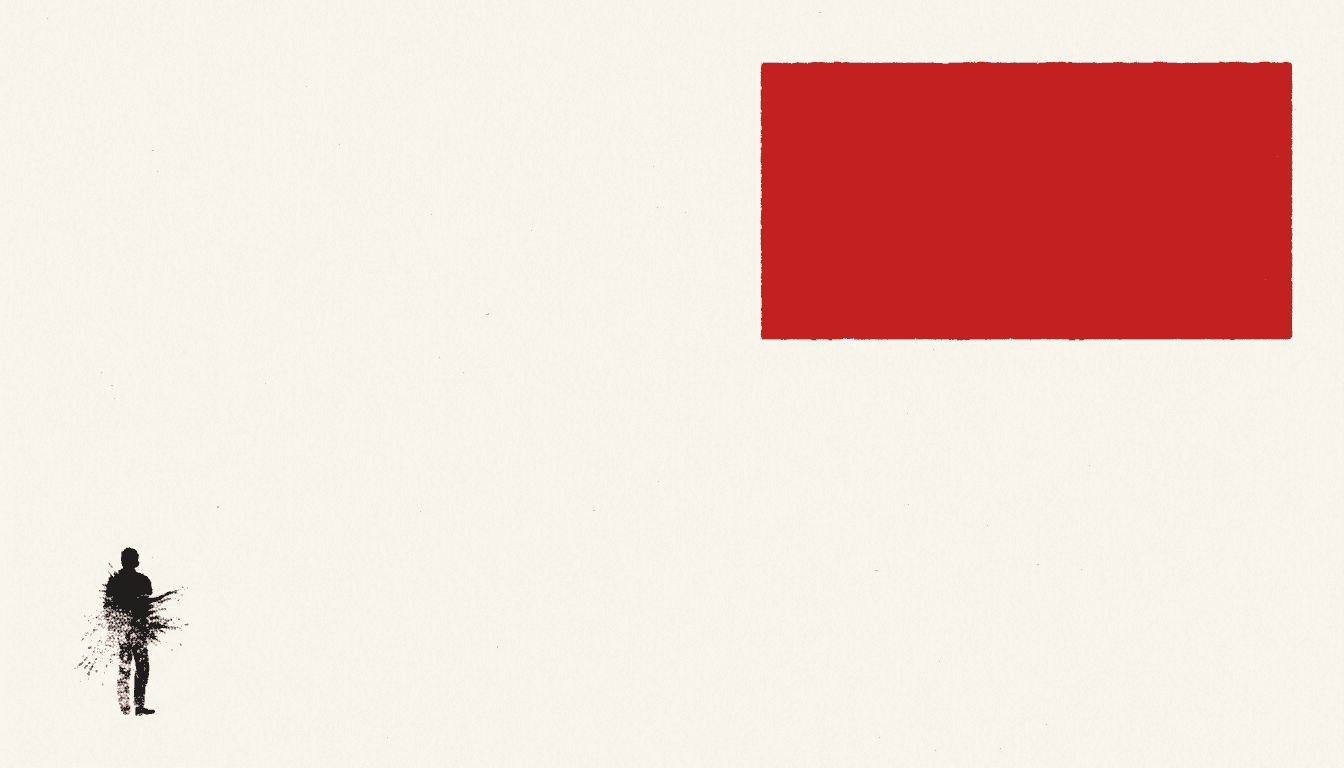
Coarse relaxed dry-brush burnt ink with pronounced flying-white texture on rice paper, set against bold blocks of pure flat colour. Black, one red, and a lot of nothing, arranged with modern geometric composition. The render brief asks for large white space on purpose and rules out soft gradients and busy detail.
Romantic Pink Sumi-e
The soft end of the register: semi-transparent pink and rose layers, wet blooming edges where colour spread into damp paper, freehand calligraphic ink accents and drifting petals. Hard outlines, heavy darks and high saturation are all explicitly refused.
Song Blue-Green Landscape
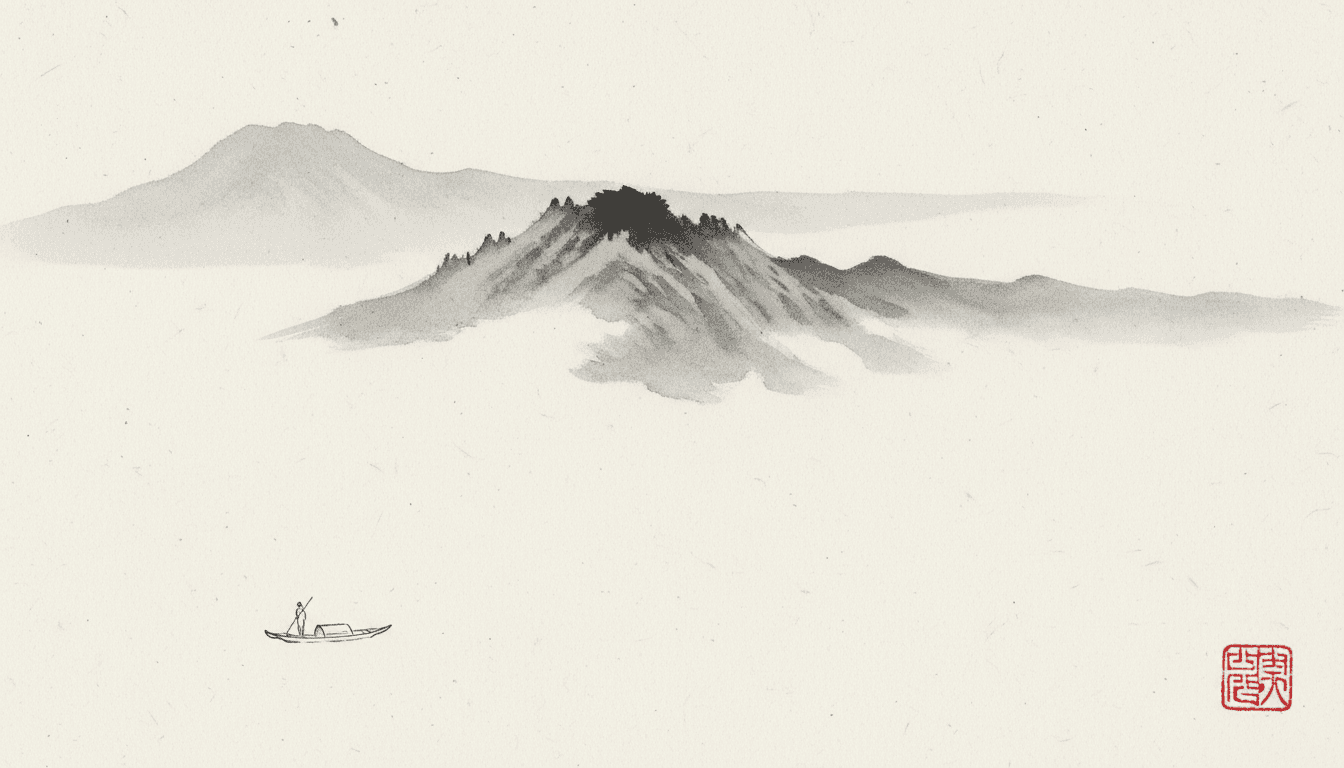
Classical landscape painting brought forward: generous rice-paper white, delicate fine brush lines, and mineral azurite and malachite greens with ochre earth accents. Layered mountains and mist, restrained and quiet. The right pick when your story is mostly places.
Wild Ink Weirdness
Untamed flowing brush-ink with eerie spirit-creatures and strange, uncanny characters. Bold variable brush-pressure lines, deliberate negative space, and a palette of black ink, muted vermillion and washed indigo on rice-paper cream. For folklore that is not meant to be soothing.
Ink is the largest family in the hand-drawn catalog — twelve enabled styles in all, including fine-brush gongbi, modern flat-line guofeng and mural work. Two close relatives live elsewhere: the crayon style hosts Crayon & Sumi-e Tale, which sets brushed ink beside crayon grain, and the Poetic Ink-Wash Storybook look pairs pen-and-ink line with soft watercolour instead of a loaded brush.
Ink Painting Story Ideas to Get You Started
Ink wash is better at weather and waiting than at clutter. These six lean into that — water, mountains, seasons and silence.
The Fisherman Who Waited
A man sits in a boat for a whole book. The weather changes, the light changes, the water changes, and he does not move. Six spreads of almost nothing, which is exactly the point — a first lesson in patience told by composition rather than plot.
Create this storyOne Crane, Four Seasons
The same bird in the same marsh, four times. Spring reeds, summer heat, autumn wind, winter ice. The structure is a repeat with variations, so a small child learns to spot what changed — and ink wash is unusually good at weather.
Create this storyThe Mountain That Moved
A folk tale about a stubborn hill and the stubborn old woman who argued with it for forty years. Big empty skies, tiny figures, and a punchline that needs the scale of an ink-wash landscape to land properly.
Create this storyGrandfather Draws a Cat
A child watches an old man make a cat out of two strokes and cannot believe it was that few. Then she tries. A book about economy that is secretly a book about practice, and the ideal story for a medium built on single marks.
Create this storyThe Ink That Ran Out
A painter has enough ink for one more picture and keeps changing their mind about what it should be. Each rejected idea gets a spread, progressively drier and more skeletal, until the last page is almost entirely white.
Create this storyNight Rain on the Roof
A sleepless child listens to a storm and names every sound. Rain is one of the few subjects ink wash renders better than full colour does — slanting strokes against bare paper, and no sky painted at all.
Create this storyAI-Generated Sumi-e Illustrations
Look inside the strokes. The paper breaks through the dark marks, the ends of strokes stop hard, and nothing has been filled in to be helpful.
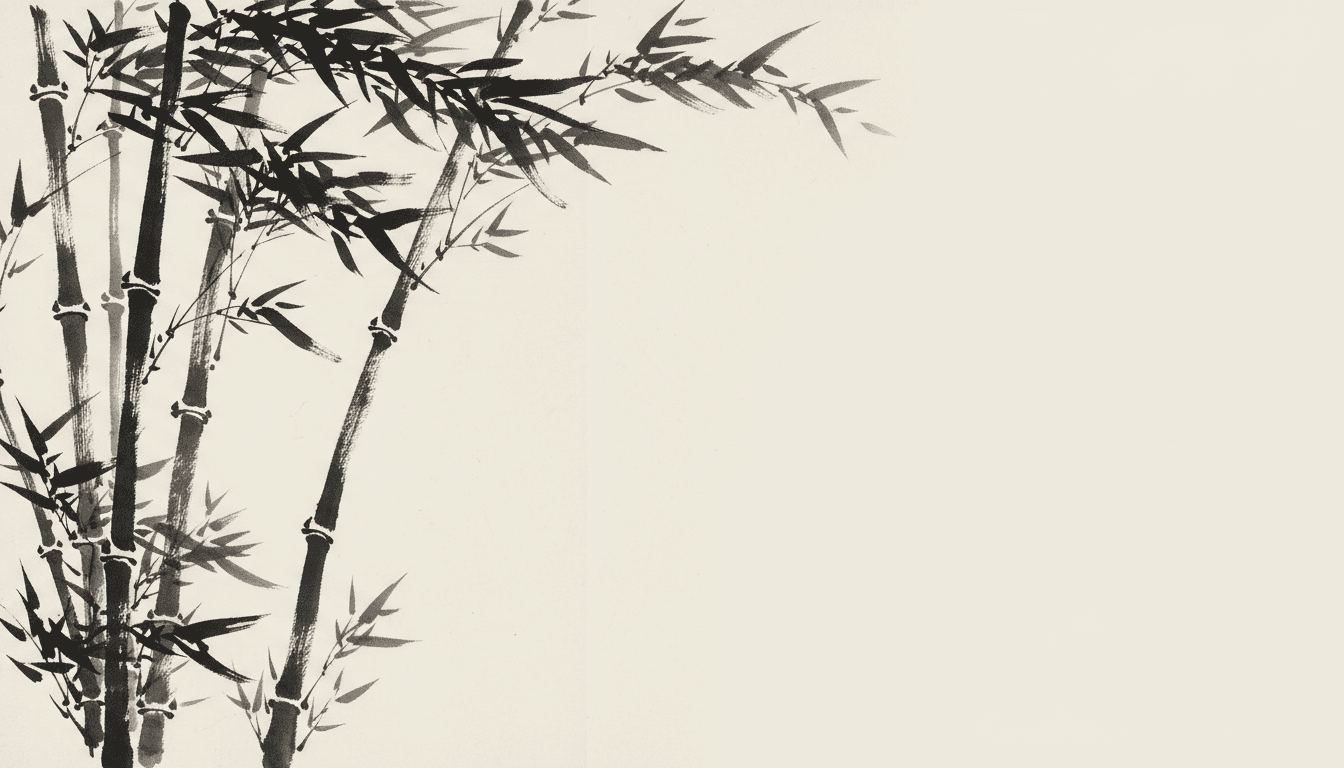
Ink Wash Picture Book Art for Every Subject
Characters, animals, weather, winter, landscape — the same loaded brush, spent on whatever your story is actually about.
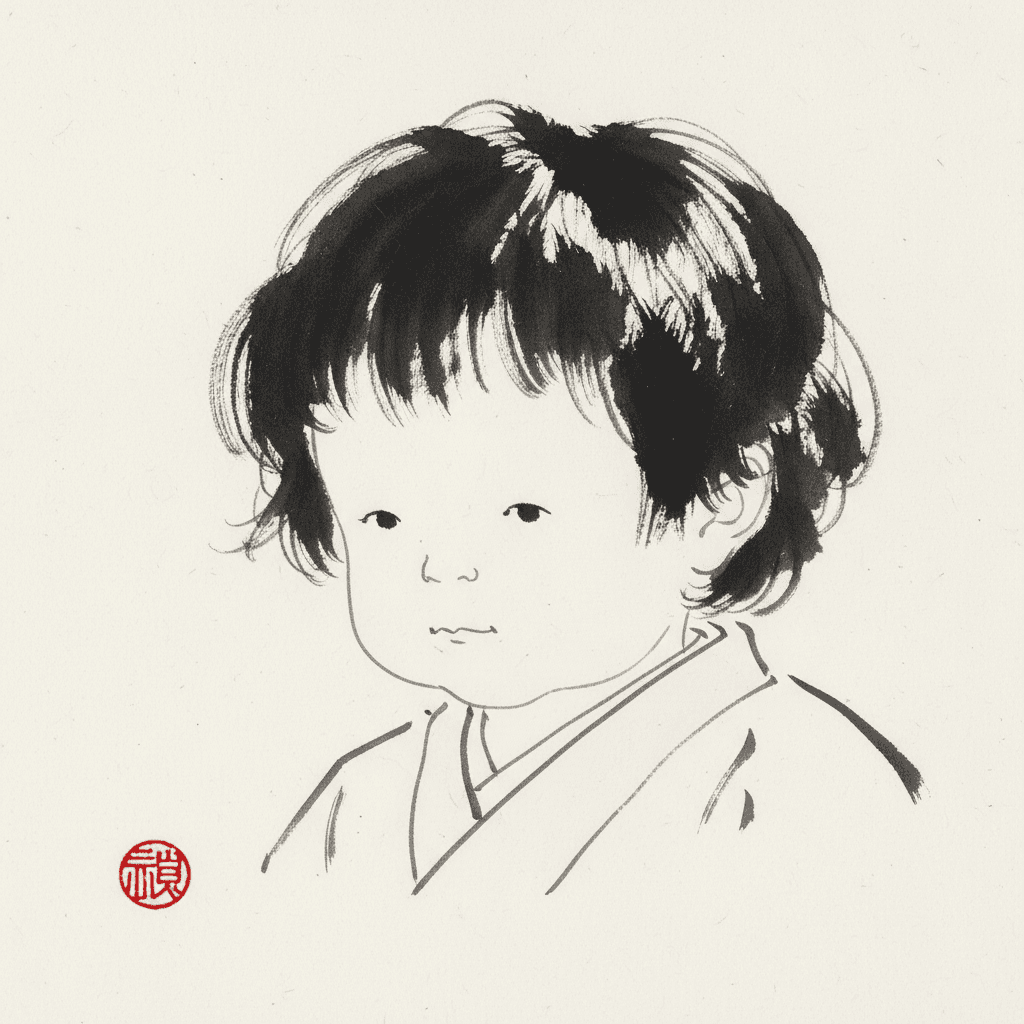
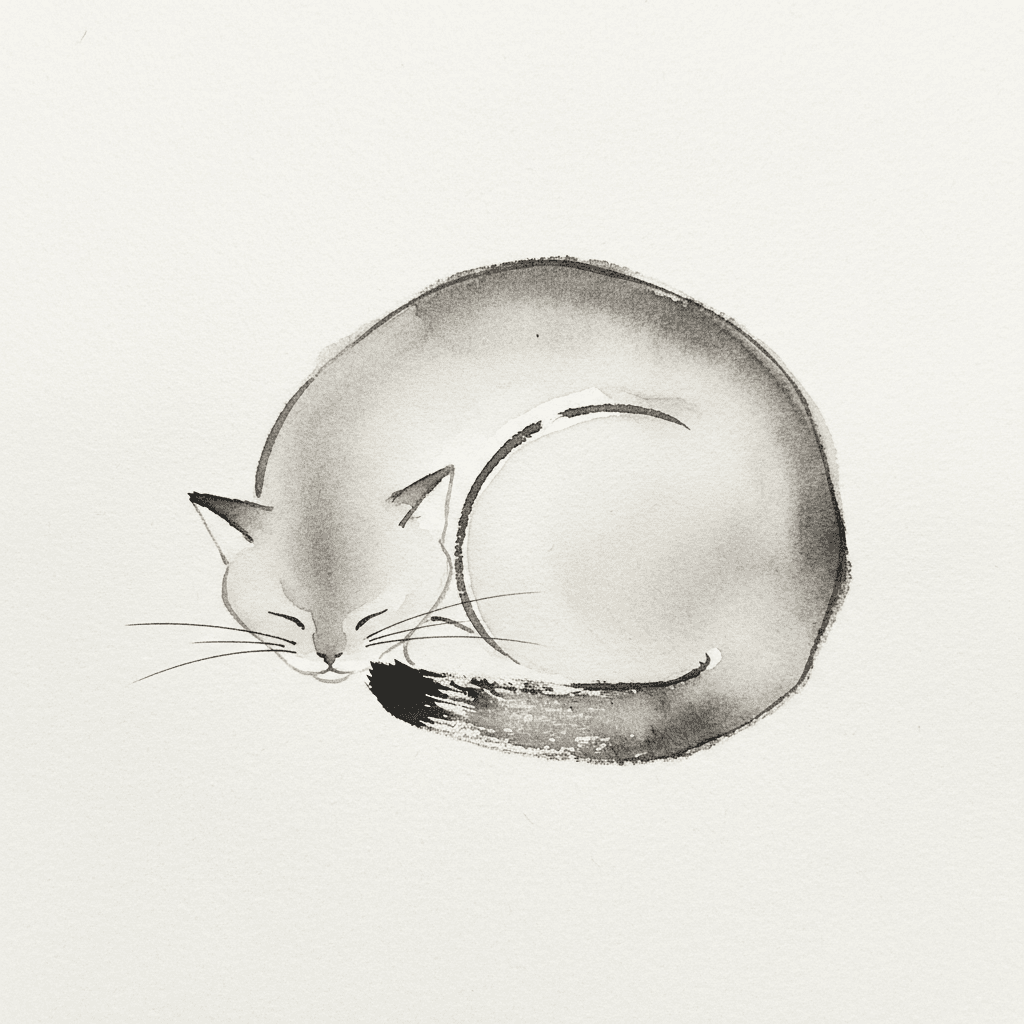
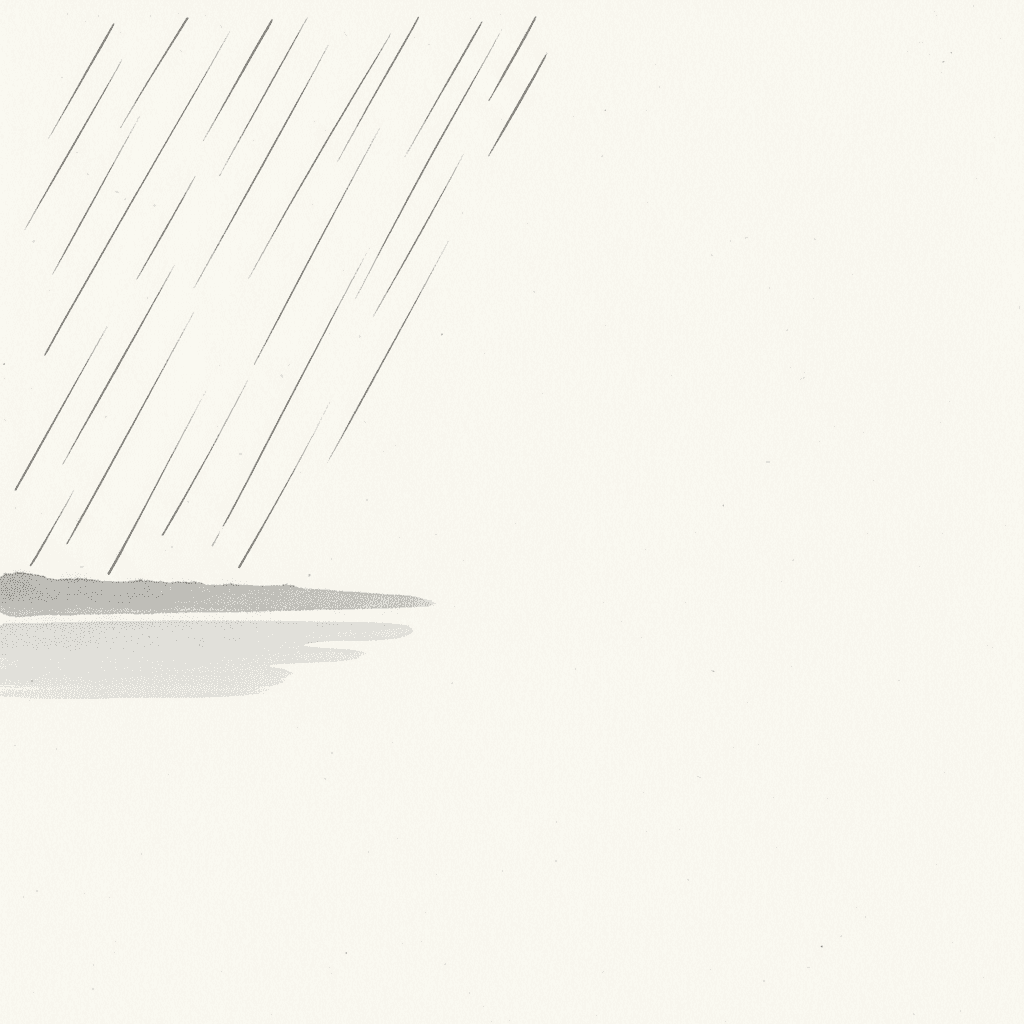
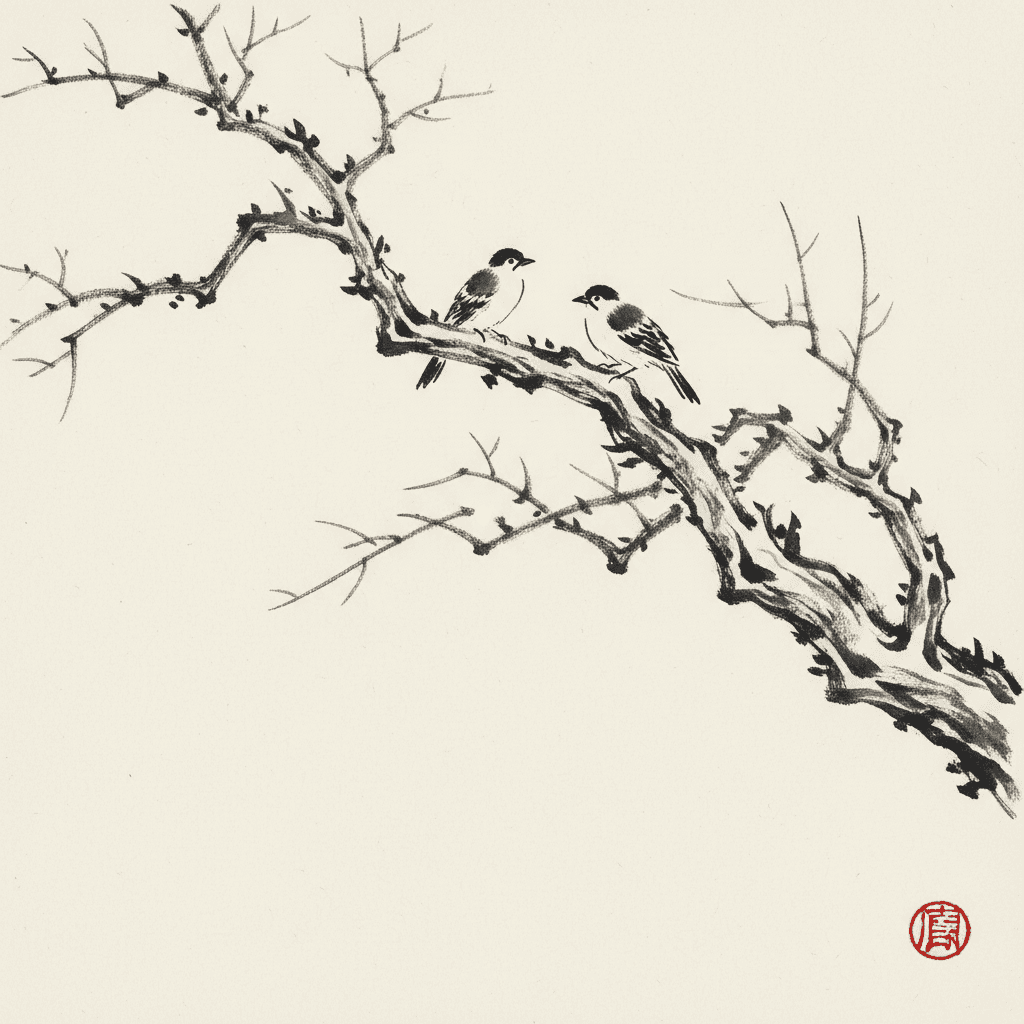
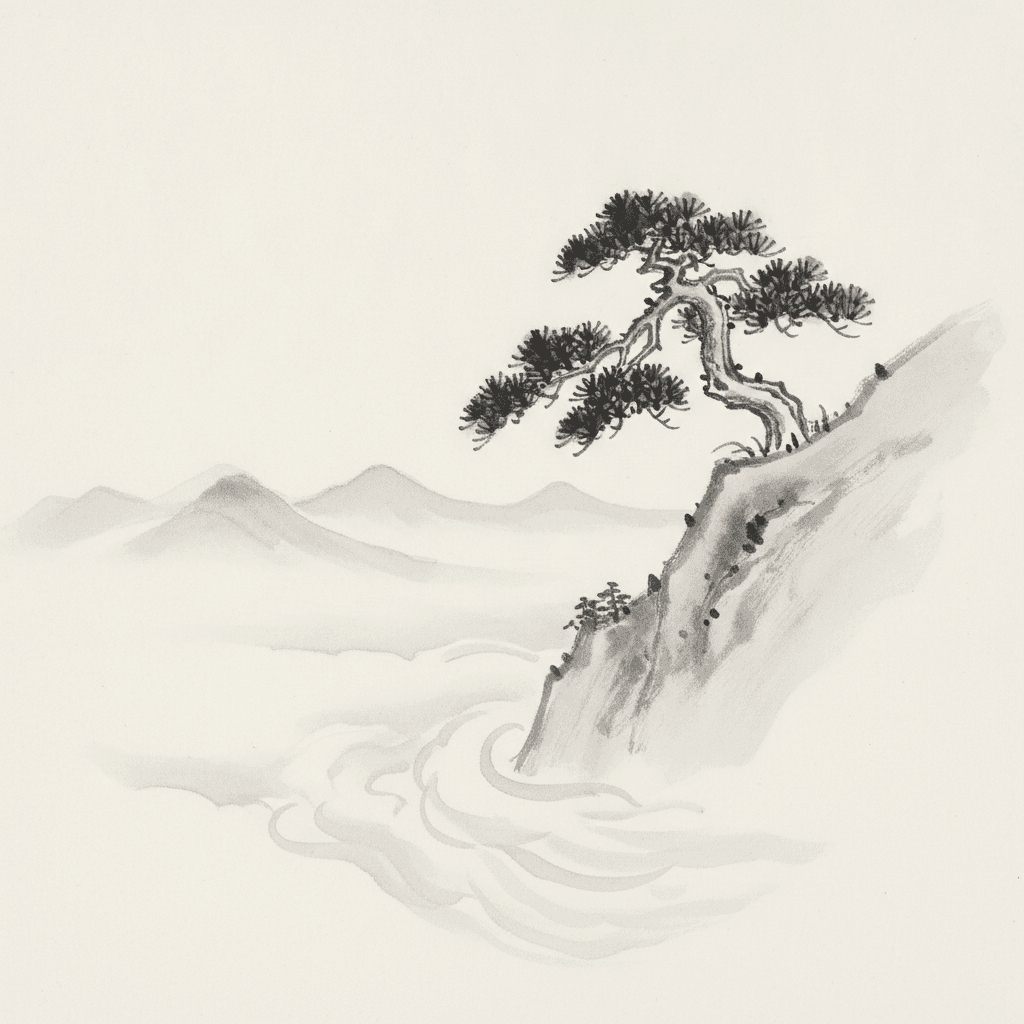
Everything You Need for Sumi-e Ink Wash Picture Books
A sparse page is easy to get once by accident and hard to hold for twenty-four pages on purpose. This is the part that holds it.
The same brush on every page
Your chosen ink style carries a fixed render brief — dry-brush ink, flying-white texture, the stated line weight and palette — into every page of the book, so page twenty is painted by the same hand as page one instead of drifting toward colour.
The empty space is protected
Image models want to fill a page. The style lock pushes back in writing: style vocabulary describes visual treatment, not extra scene content, and deliberate sparseness is to be preserved rather than cleaned up. Emptiness is treated as intent.
A cast that survives economy
Most styles hold a character together with accumulated detail. Ink wash deletes detail, so identity has to live in silhouette and proportion. Save a character once and their design travels into every page and every later book.
Twelve ink styles, not one
Ink is the largest family in the hand-drawn catalog — twelve enabled styles covering sumi-e, classical landscape, calligraphic linework, fine-brush gongbi and modern graphic ink. Pick the register before you generate.
Whole books, not single images
You are not prompting for one good painting. Describe the story and C2Story writes it, breaks it into pages and illustrates every page in your chosen ink style, matched to what each page actually says.
Any language you read aloud in
Ink wash carries no language of its own. Write the story in English, Chinese, Japanese, Spanish, French and more — the brushwork does not change with the text, and the layout leaves plenty of white for it.
Sumi-e Ink Wash Picture Books — Questions
What people ask before committing a whole book to a brush.
Explore More Story Ideas
Discover more styles, tools, and story types
Space Stories
Blast off to distant galaxies
Explore
Anthropomorphic Animal Books
Dressed animals with jobs & a busy little town
Explore
Children's Book Creator
Design beautiful kids books
Explore
Midjourney vs C2Story
Stories, not just images
ExploreSumi-e Ink Wash Picture Books — Make a Whole Book in Brush and Ink with AI
A sumi-e ink wash picture book is the only kind where the quietest page is usually the best one. Diluted ink on absorbent paper gives you a tonal ladder instead of a palette, a stroke you cannot take back, and a sheet whose brightest value is the part you never touched. C2Story applies that logic across an entire book — one-pass brushwork, dry-brush texture, hard stroke endings and large areas left deliberately bare, on every page rather than on one fortunate image.
The difficult thing about sumi-e illustration is not making one convincing ink painting. It is holding the restraint for twenty pages while the characters stay recognisable, and those two goals pull against each other: the brushwork is meant to vary and the cast is meant not to. C2Story separates them. The chosen ink style carries a fixed render brief — dry-brush ink, flying-white texture, the stated line weight, the stated palette — plus explicit refusals, so no page quietly drifts into soft gradients, busy detail or photorealism. Your characters travel separately in the Character Library, which matters more here than anywhere else: strip away hair colour and costume detail and a character has only silhouette, proportion and gesture left to be identified by.
Ink also needs protecting from the generator's urge to help. An image model asked for a lone figure on an empty page will happily add a tree, a temple and a flock of birds. The style lock states that style vocabulary describes visual treatment rather than extra scene content, and that deliberate sparseness is to be preserved instead of smoothed away — which is what keeps the emptiness in an ink wash picture book reading as mist and distance rather than as something unfinished.
Ink is the largest family in the hand-drawn catalog, twelve enabled styles deep, and it is worth knowing that sumi-e here is not monochrome. Minimal Sumi-e & Red keeps to ink black, paper white and one pure red; Romantic Pink Sumi-e works in blush washes with wet blooming edges; Song Blue-Green Landscape brings mineral azurite and malachite; Wild Ink Weirdness goes calligraphic and uncanny. An ink painting story suits weather, water, mountains, seasons and waiting — write it in any language you read aloud in, export the finished book as a PDF, and hand that file to whichever printer you already use. Start free: see our pricing plans, browse every option on the illustration styles hub, compare it with the watercolour style, or go straight to the AI Story Generator.