OC Plot GeneratorYour OC Is Finished. Nothing Happens to Them.
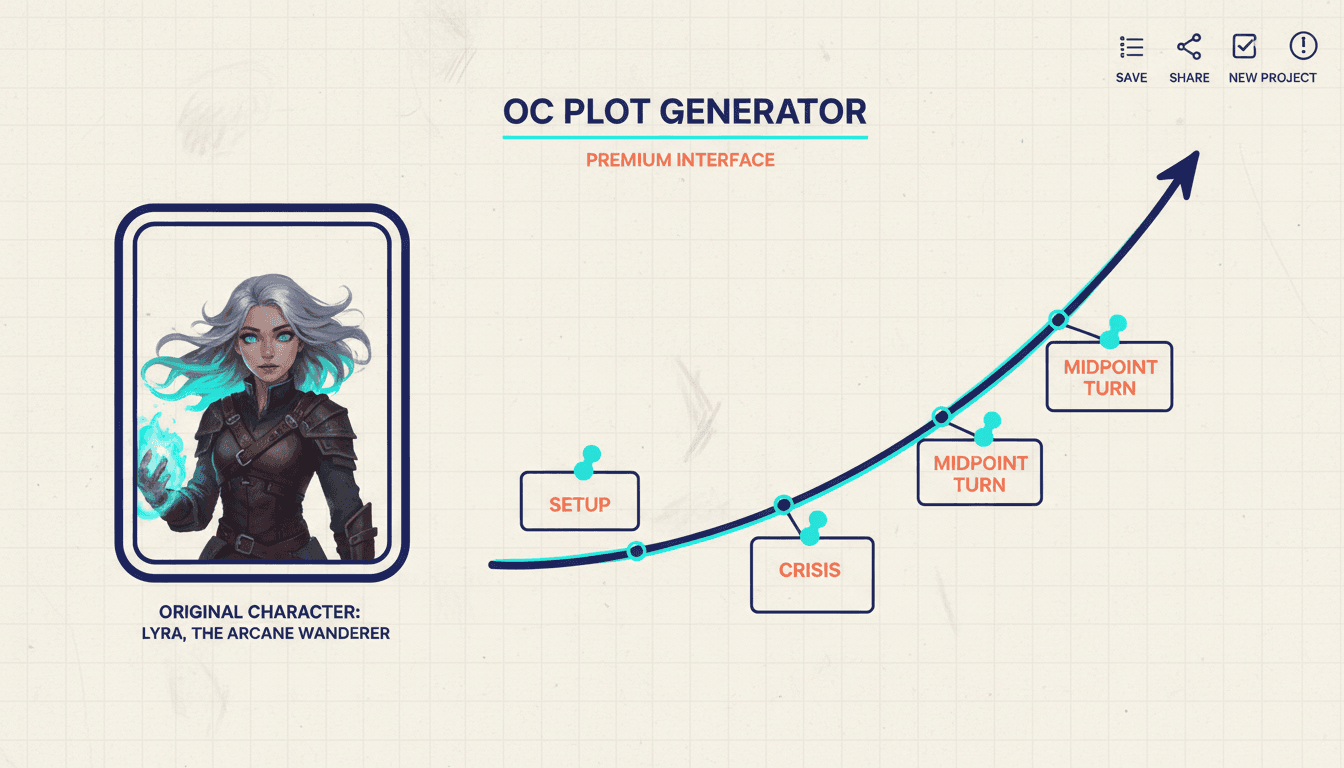
A premise is not a plot. C2Story generates the want, the obstacle, the turning point and the cost for your original character — a story that escalates — then draws every beat with your OC on-model.
- Conflict built out of your OC’s own flaw and fear
- Stakes that can genuinely be lost
- A real midpoint turn, so the middle does not sag
- An arc that changes them — and it gets illustrated
250,000+
Stories Created
80,000+
Characters Saved
45+
Art Styles
4.9/5
Creator Rating
How the OC Plot Generator Works
Three steps, and the first one is just handing over the character you already spent months on.
Bring Your OC
A saved profile, a Toyhouse bio or three sentences. What matters most is what they want, what they refuse to do and what scares them — those three are where the conflict comes from.
“Loyal to a fault, terrified of being ordinary”
Generate the Conflict
The obstacle is built to press exactly where your character is weakest, with a cost attached to failure. Then the beats chain forward by consequence — each one caused by the last, escalating, never just listed.
Their loyalty is what the plot demands they break
See It as a Story
Render any beat as an illustrated scene, or generate the whole plot as a finished picture book, comic or fanfic — your OC on-model from first scene to last.
A climax you can post, not an outline
Want, Obstacle, Cost, Turn, Crisis, Change
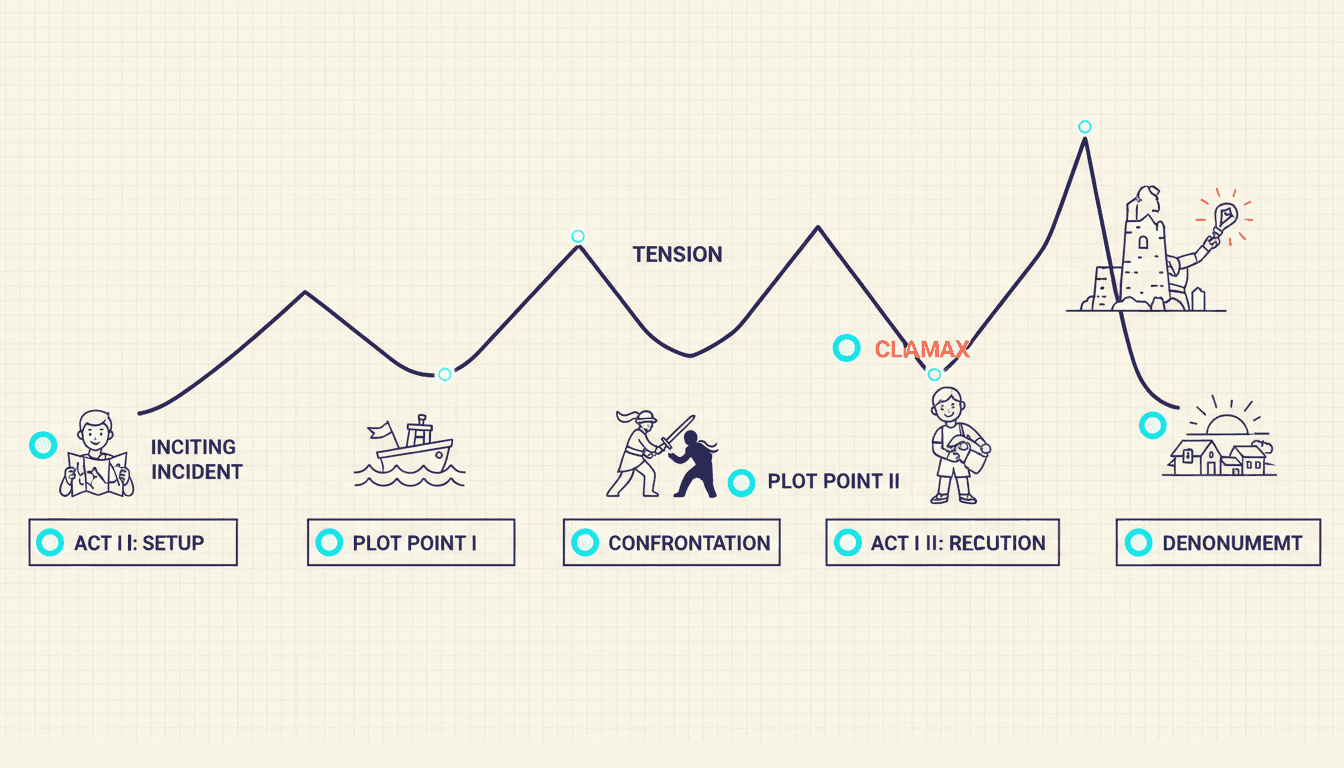
A plot is not one thing. These are the six load-bearing parts, in the order they are easiest to build — and the one most OC stories are missing is never the first.
The Want
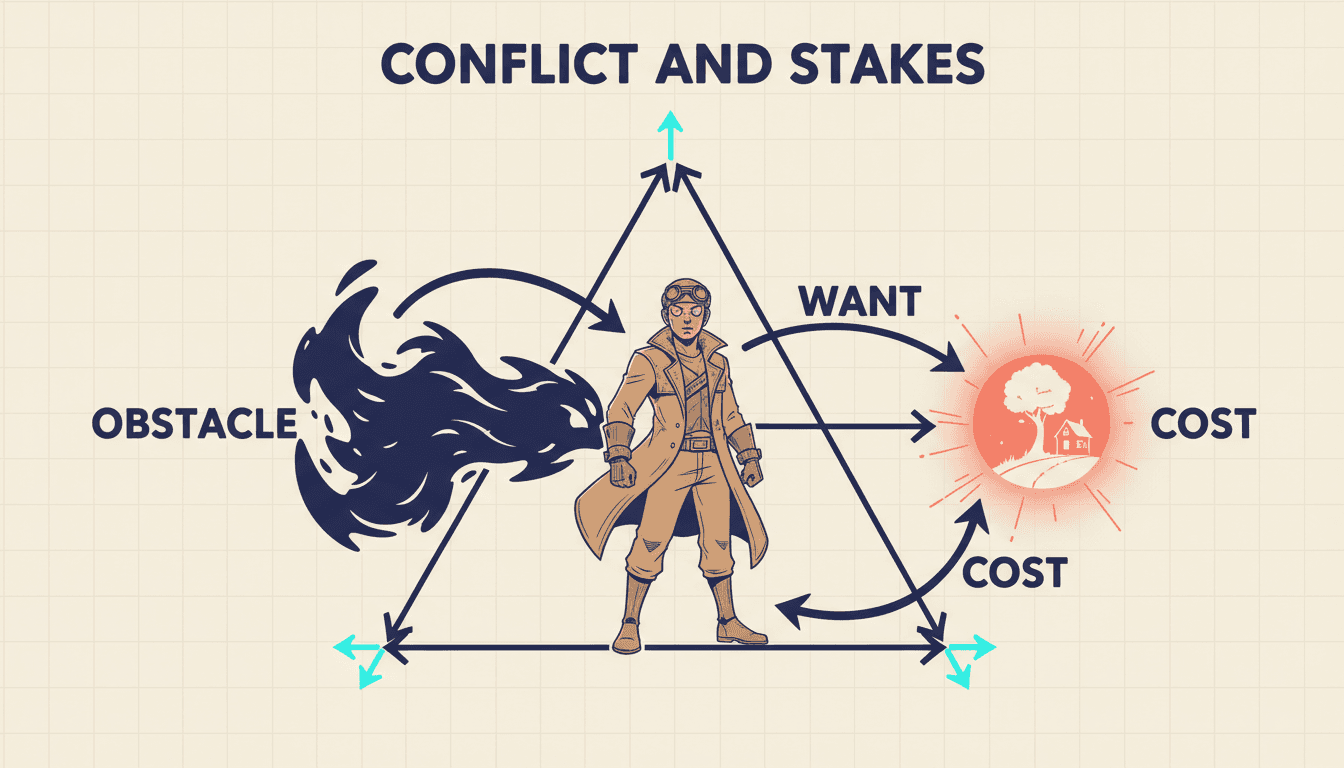
Something specific your OC is chasing that a reader could point at — a post, a person, a pardon. Not a mood. “Wants to be happy” generates nothing; “wants their exile revoked before the winter council” generates a whole first act.
What they are chasing
The Obstacle
Someone or something with its own reason to stand in the way. The best obstacle is aimed at your OC in particular — it works because of who they are, not despite it, and it gets harder the more they push.
What stands in the way
The Cost
What is lost if they fail, named in advance. Unnamed stakes are why a plot reads as flat no matter how dramatic the events are — a reader cannot feel tension over a loss they cannot picture.
What failure takes
The Turn
The midpoint where new information, a reversal or a forced choice closes off the easy route. Without it, the second half is the first half again at higher volume, which is precisely where most OC projects quietly stop.
Where it stops being simple
The Crisis
The moment the plot demands the one thing your character swore they would never do. This is where the character sheet pays off — the crisis should be unbearable for this OC specifically, and trivial for most others.
The choice they cannot make
The Change
The layer people skip. Plot is what happens; arc is who they are afterwards. If your OC ends the story believing exactly what they believed on page one, events occurred but no story did.
Who they become
A plot is not a premise
Worth separating, because conflating them is why so many OC folders hold a hundred ideas and zero finished stories. A premise is a situation: “my OC is the last survivor of a fallen order.” Nothing in that sentence happens. A plot is the chain that follows — what the survivor wants now, who stops them, what their own flaw ruins, what they lose at the midpoint and what they trade for the ending. Premises are free and plots are the work. If you have a premise and nothing is moving inside it, the missing thing is almost always a want with a cost attached.
A List of Events, Not a Story
The usual failure is not a boring OC. It is a wonderful OC whose story is a sequence of things that happened, with no scene causing the next one.
And Then, And Then
- ✕ Scenes in order, none caused by the last
- ✕ A villain who could be fighting anyone
- ✕ Danger with nothing specific to lose
- ✕ Your OC ends exactly where they started
Therefore, But
- Every scene caused by the one before it
- An obstacle aimed at this OC in particular
- A named cost that failure actually takes
- An ending page one could not have reached
The test for any beat: can you write therefore or but between it and the scene before? If the only honest connector is and then, that is a list, and the plot has not started yet.
An Arc, a Beat Board and a Chain of Consequences
The plot arrives as things you can look at and rearrange, not as one undifferentiated block of text to scroll past.
The Shape of It
Want, Obstacle, Cost
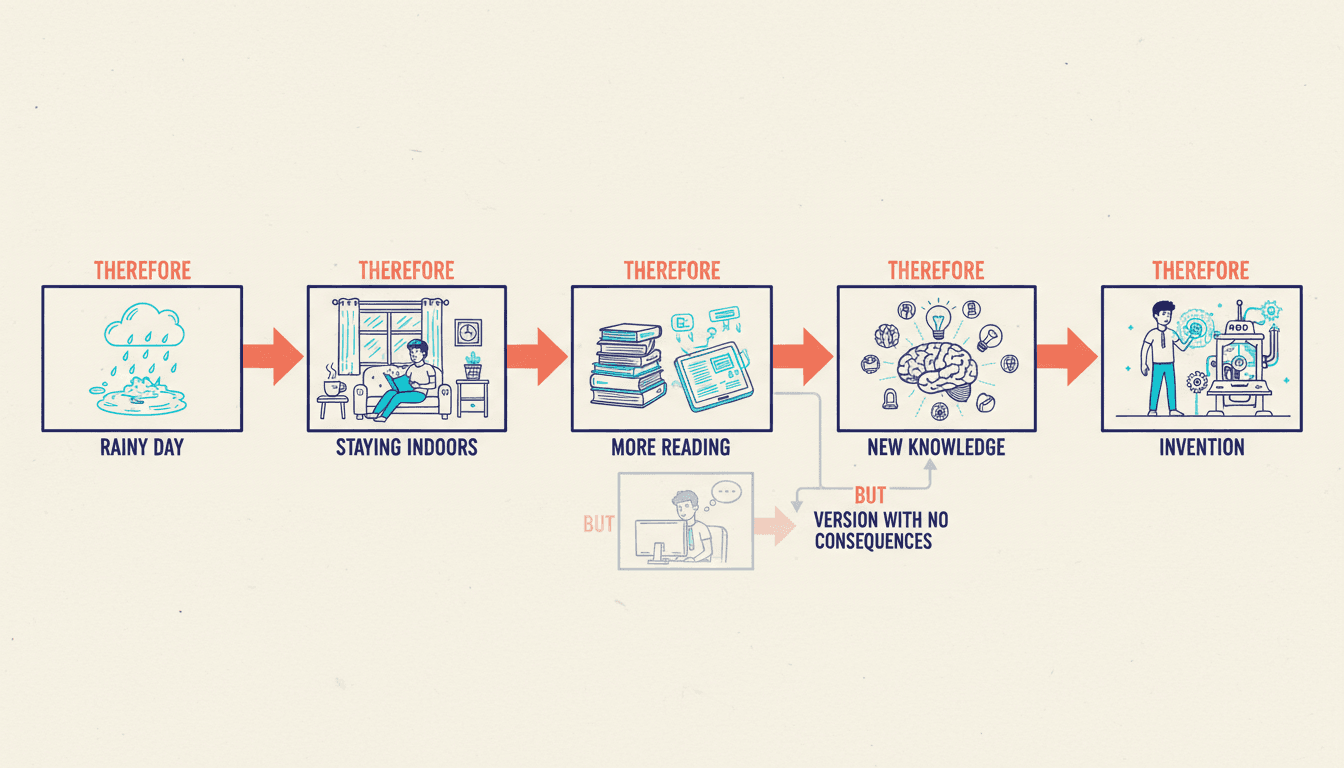
Therefore, Not And Then
“A plot where my knight OC has to betray the oath that defines them”
“Give my cheerful OC a story that costs them the thing they protect”
“A slow-burn rivalry plot for two OCs who want the same post”
“Plot my exiled OC’s return, five chapters, one betrayal”
“A heist plot where my rogue OC’s flaw ruins the last step”
“Illustrate the climax of my OC’s plot as a full spread”
Plot Shapes Worth Generating
Fantasy, sci-fi, school drama or modern supernatural — the six parts are the same, only the furniture changes.
Want, Beats, Turn, Arc, Character
Every part of the plot can be illustrated in whichever of 45+ art styles suits your OC — and your character stays on-model through all of it.
The Want
What They Chase
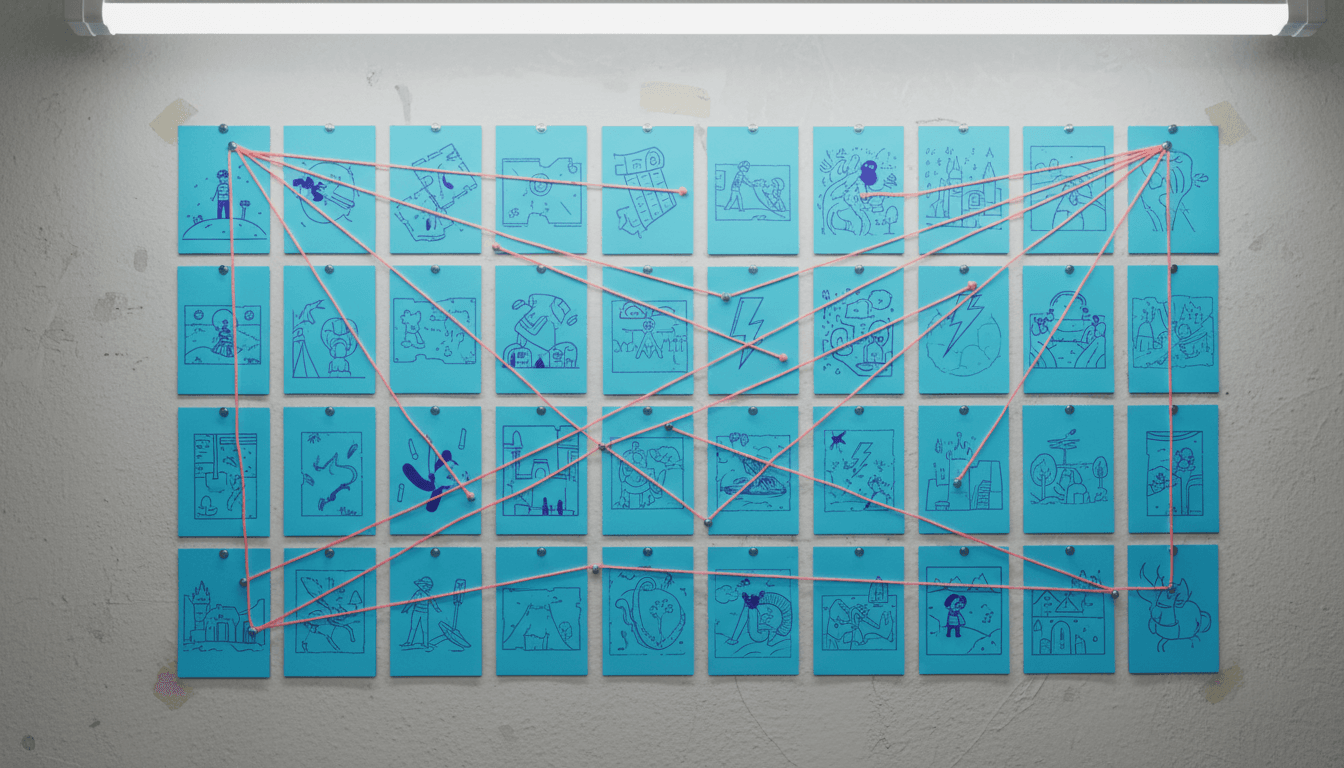
The Beats
Scene by Scene
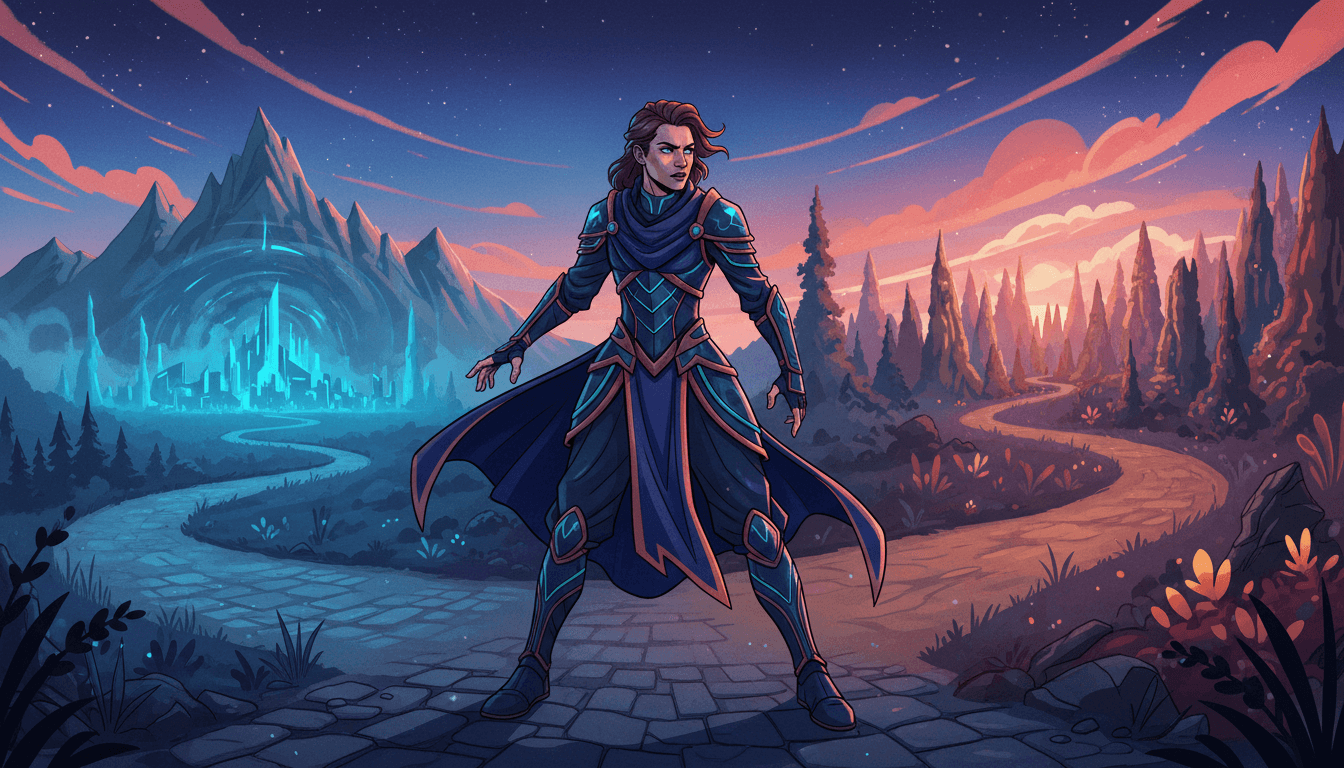
The Turn
Where It Changes
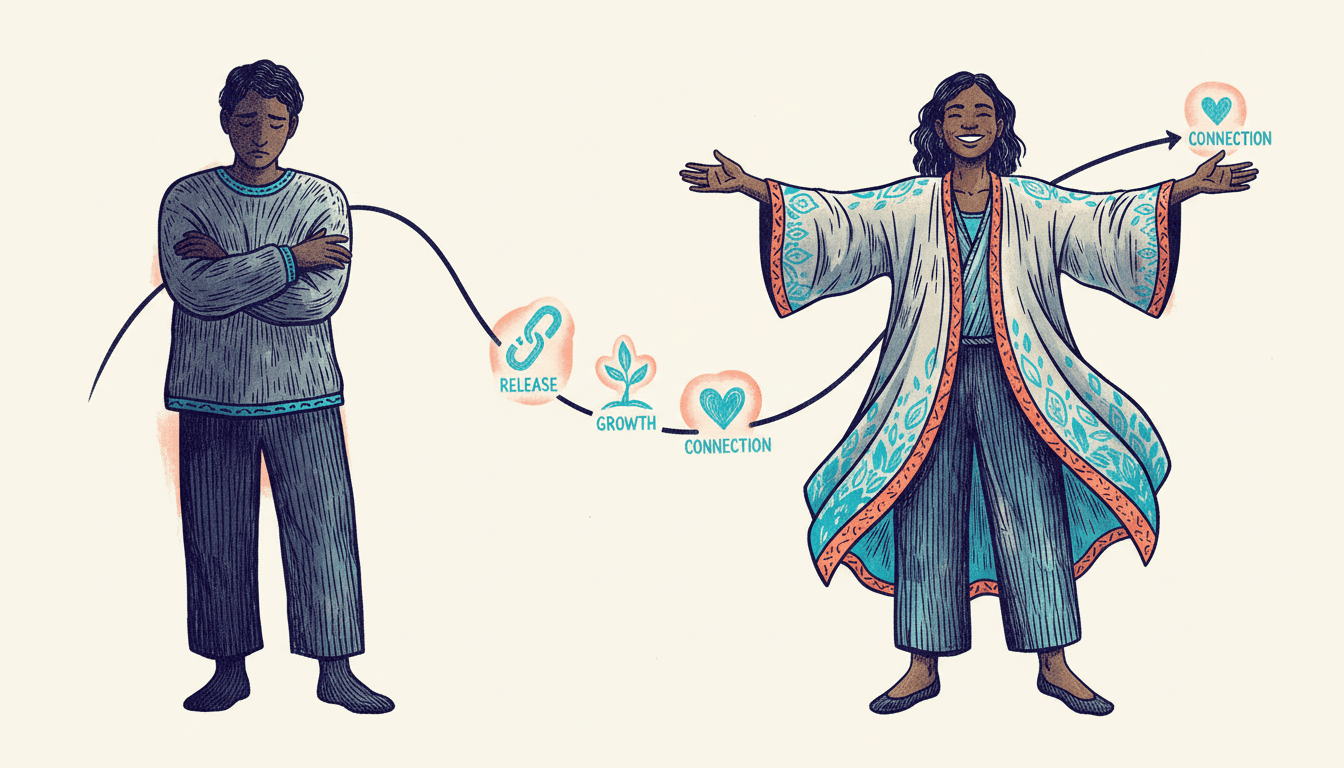
The Arc
Who They Become
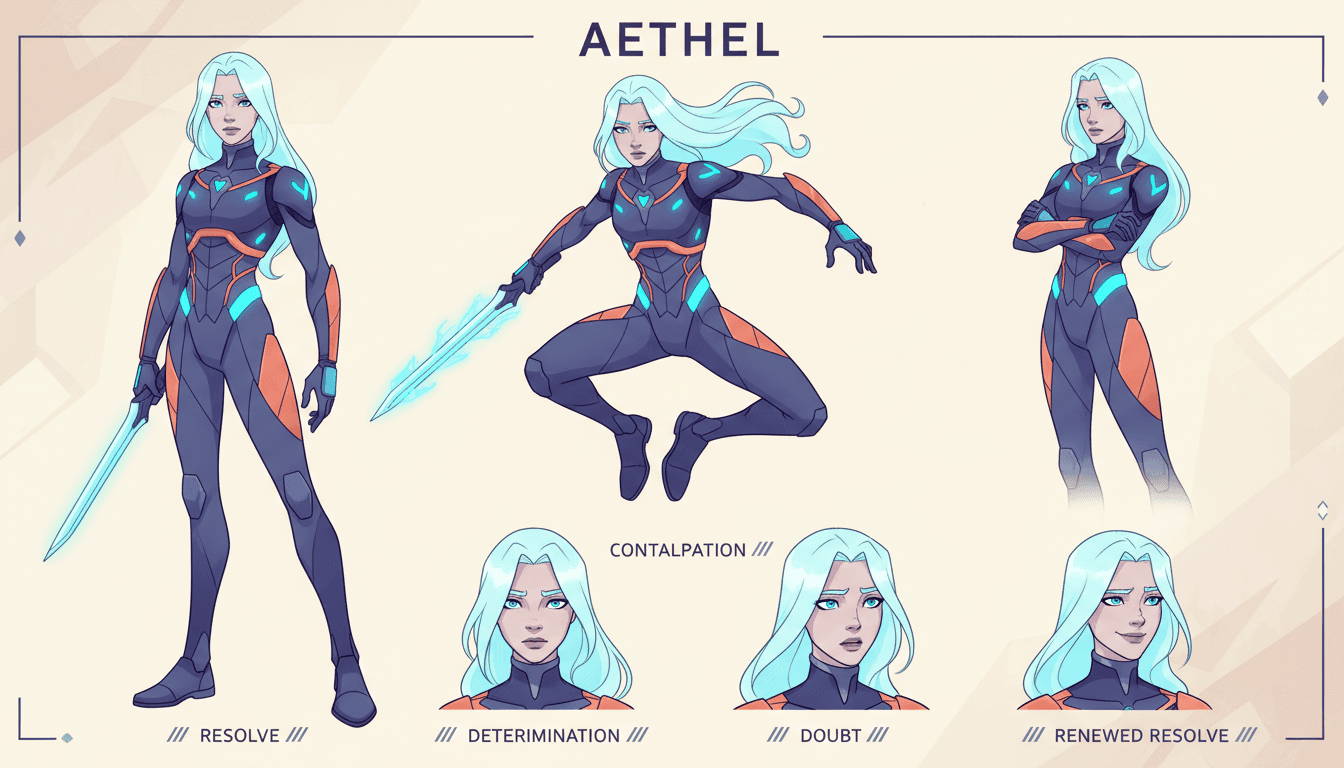
The Character
Locked and On-Model
Match your story’s tone with 45+ art styles including Anime, Manga, Fantasy, Cinematic and Watercolor.
What Changes When the Plot Is Built From Your OC
Six things a general plot generator cannot do, because it does not know whose story it is.
The Plot Comes From Your Character
A generic plot generator hands you a premise and leaves you to bolt a character onto it. This reads your OC first — what they want, what they refuse to do, what they are afraid of — and builds the conflict out of those, so the story could not happen to anybody else.
Stakes That Can Actually Be Lost
Every beat is generated with a cost attached. If your OC fails, something specific and already established goes away — a person, a position, a belief. Stakes nobody can lose are the single most common reason an OC plot reads as flat.
Therefore and But, Never And Then
Scenes are chained by consequence, not sequence. Each beat is generated against the one before it so the story escalates instead of listing events — the difference between a plot and a diary entry about your character’s week.
A Turning Point in the Middle
The saggy middle is where OC projects die. The generator places a real midpoint — new information, a reversal, or a choice that closes off the easy route — so the second half is not the first half repeated with louder music.
An Arc, Not Just Events
Plot is what happens; arc is who they become because of it. Every generated plot marks where your OC believes one thing at the start, gets that belief tested, and ends up somewhere they could not have reached on page one.
And Then You Can See It
A plot you can only read stays theoretical. Save your OC once with reference images and every beat renders as an illustrated scene with the same face, hair and outfit — so the climax is a picture, not a bullet point.
Who Uses an OC Plot Generator?
OC Creators & Toyhouse Users
The design is perfect, the palette is perfect, and the story field has said “coming soon” for two years. This fills the half of the profile that is hardest to write — and gives you a climax worth drawing.
Fanfic & Original Fiction Writers
You can write a scene beautifully and stall at chapter four because nothing forces chapter five. A structured plot with a real midpoint is the difference between a WIP and a finished fic.
Roleplayers & GMs
RP drifts when nobody knows where the arc is going. A plot with named stakes and an agreed turning point keeps a long campaign or a paired RP moving instead of looping.
Comic & Webtoon Creators
Drawing is expensive, so plotting before you draw is the cheapest possible edit. Lock the beats and the escalation first, then illustrate — with your cast on-model across every episode.
Is the Plot the Part You Are Missing?
This page is for creators whose OC exists but whose story does not move. If your gap is elsewhere, one of these is a better door — they all share the same character library.
Yes — my OC exists and nothing happens
Start here. Bring the character, generate the conflict, stakes and arc, then illustrate the beats.
I do not have the OC yet
Design the character first — appearance, personality, signature outfit — and lock the look before you plot anything around them.
My OC has nowhere to be from
Build the world behind them — regions, factions, history and bloodline. Lore full of conflict hands you plot for free.
I have the plot, I want the finished story
Turn your OC and their arc into a full illustrated story, fanfic or comic starring them.
Many characters, many connected plots
A shared universe with crossing casts and connected series is a bigger container than one character’s arc. That page handles it.
I keep losing my own canon
A character bible pins looks, voices and details as a reusable record so nothing drifts over a long plot.
Frequently Asked Questions
Explore More Story Ideas
Discover more styles, tools, and story types
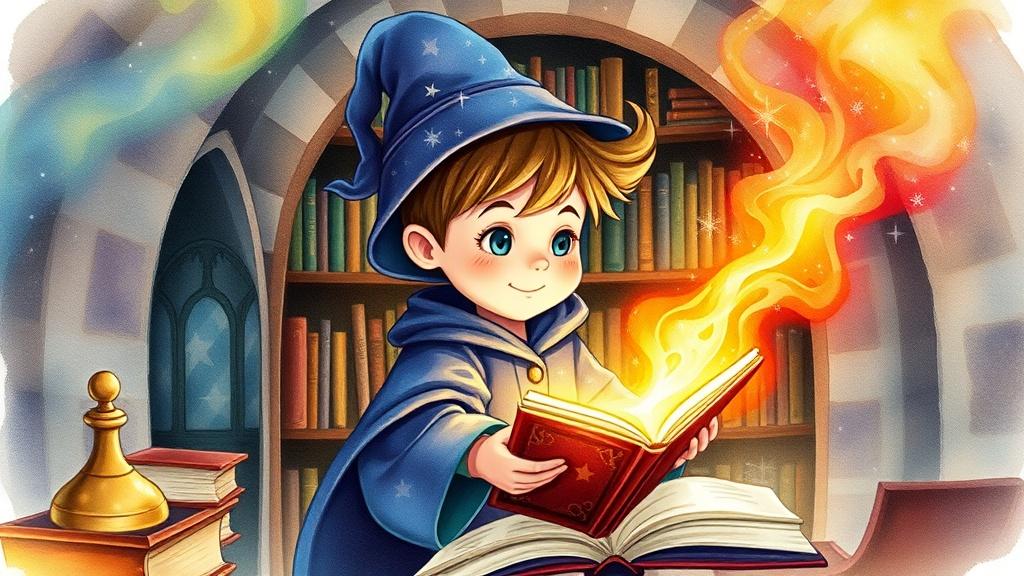
Magic Stories
Spellbinding magical adventures
Explore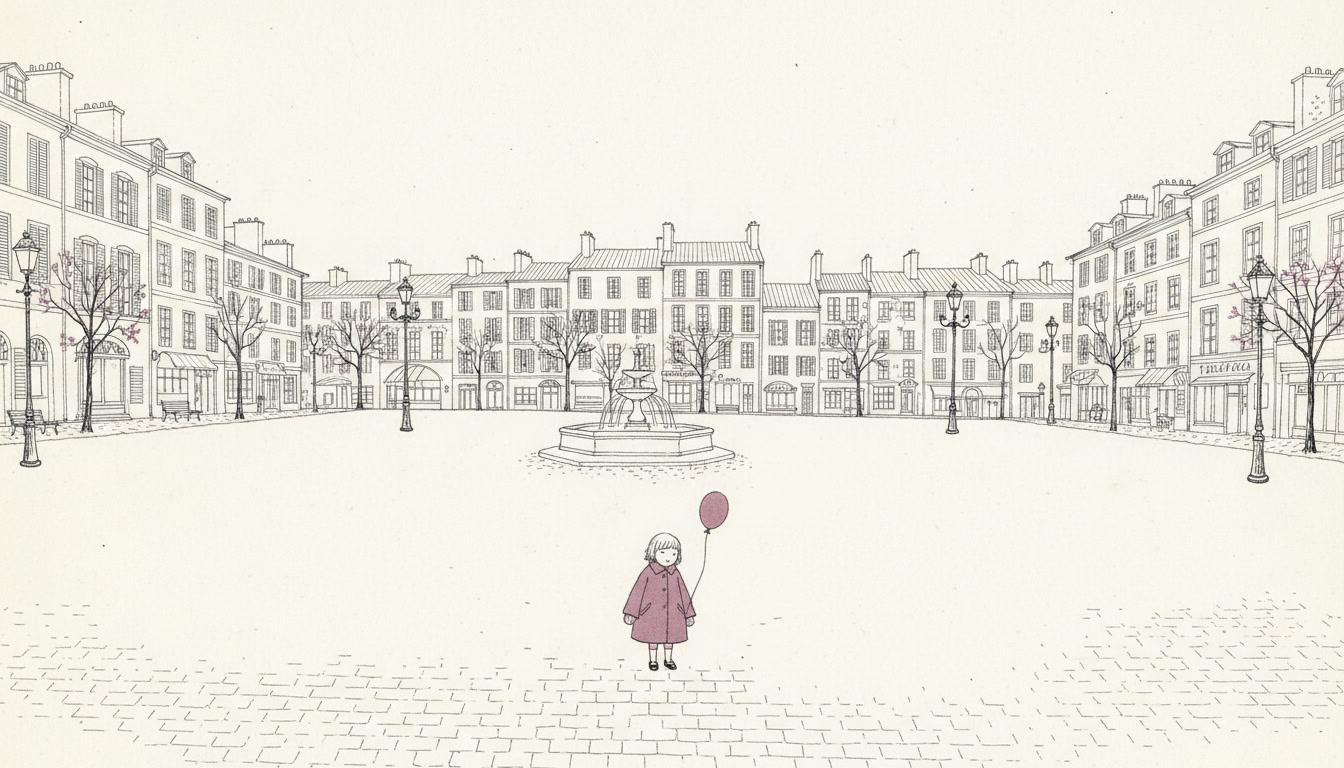
Fine-Line Ink Picture Books
Hairline pen, tiny figures & vast white space
Explore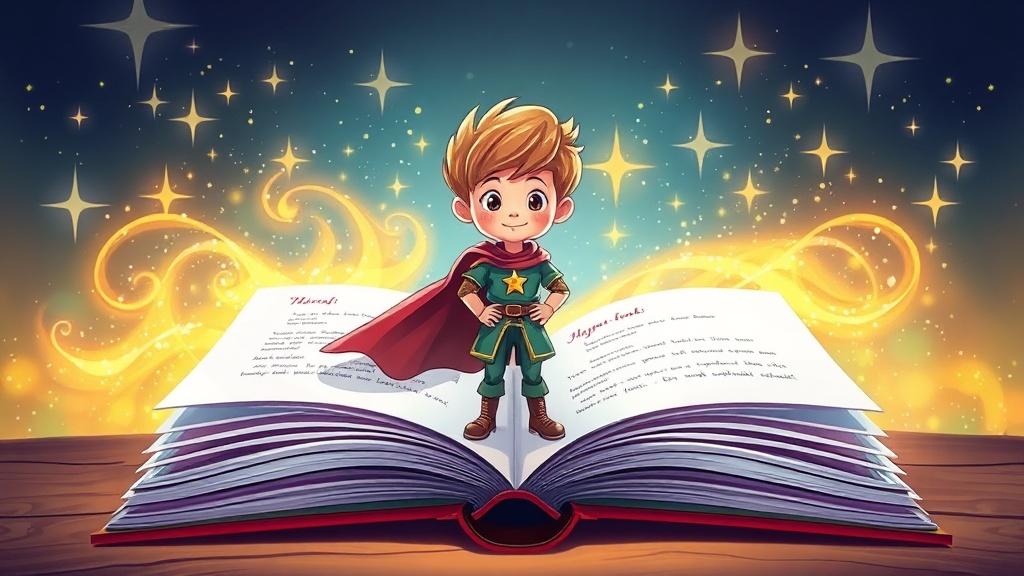
Children's Book Creator
Design beautiful kids books
Explore
Storybird Alternative
Better AI story creation
ExploreOC Plot Generator — Turning a Finished Character Into a Story That Moves
An OC plot generator answers a different question from an OC generator. A character generator gives you a person: a face, a palette, a personality, a signature coat. A plot gives that person something to survive — a thing they want badly enough to risk something for, a force with its own reason to stop them, a cost that gets paid, and an ending they could not have reached on page one. Most OC folders are heavy on the first and empty on the second, which is exactly why so many beautifully designed original characters have never actually appeared in a story.
The first distinction worth making is between a plot and a premise, because conflating them is why a folder can hold a hundred ideas and zero finished stories. A premise is a situation: my OC is the last survivor of a fallen order, my OC is a knight who lost their faith, my OC runs a shop at the edge of a dying city. Nothing in any of those sentences happens. A plot is the chain of events that follows, where each one causes the next — what the survivor wants now that everyone is gone, who has a reason to prevent it, what goes wrong specifically because of their own flaw, what they lose in the middle, and what they have to give up to get the ending. Premises are free. Plots are the work, and they are the part almost everyone skips.
The second thing worth knowing is that a good OC plot is generated out of the character, not bolted onto them. Conflict that belongs to a character comes from three fields most OC profiles already contain: what they want, what they refuse to do, and what they are afraid of. Build the obstacle to press on those and the story stops being transplantable. A character defined by loyalty gets a plot that eventually demands a betrayal. A character who solves every problem with force gets a problem that force makes strictly worse. A character terrified of being ordinary gets handed the chance to be safe and unremarkable, and has to choose. That is the whole trick behind plots that feel like they could only have happened to one specific OC — and it is also why a generic plot generator, which has never read your character sheet, tends to produce something serviceable and weightless.
The third is escalation. The most common structural failure in OC writing is not a boring character but a sequence: this happened, and then this happened, and then this happened. Events in order are not a plot. The test is simple and brutal — try to write the word therefore or but between each scene and the one before it. If the only honest connector is and then, what you have is a list, and a reader will feel it as a list no matter how dramatic each individual entry is. C2Story chains beats by consequence for exactly this reason: every scene is generated against the state the previous scene left behind, so pressure accumulates instead of resetting.
Then there is the midpoint, which is where OC projects go to die. Chapters one through three are usually fine, because setup is the fun part and everybody can write it. The middle sags when the second half is the first half repeated at higher volume. A real turn fixes this: new information that recolours everything already shown, a reversal that costs the character an ally, or a forced choice that closes off the route they were counting on. After a genuine midpoint, going back is no longer available, and a story that cannot go back has to go forward. Every plot generated here places one deliberately rather than hoping the shape emerges.
Last, and most often skipped: the arc. Plot is what happens to your OC; arc is who they are afterwards. If your character finishes the story believing exactly what they believed at the start, events occurred but no story did. The generator marks where your OC holds a belief, where that belief is tested, where holding it costs them something real, and where they either change or refuse to and pay for the refusal — which is also a valid arc, and often the more interesting one. This is why stakes have to be named in advance. A reader cannot feel tension about a loss they cannot picture, and a character cannot visibly change under pressure that was never specific.
What separates this from a text plot generator is that you can see the plot. Any beat renders as an illustrated scene, and the whole arc can be generated as a finished picture book, comic or illustrated fanfic. Because your OC’s design is saved once with reference images, the same face, hair and outfit appear in the opening scene and the climax — the part that is normally hardest about drawing a long story yourself. Anything you already decided is treated as fixed canon rather than overwritten, so if you have carried one scene in your head for a year, paste it in and the plot is built backwards to earn it and forwards to deal with its consequences. Everything generated is yours, with full rights to publish, post and print.
Ready to start? Bring your OC and give them something to lose. Still designing the character? The OC creator covers appearance and personality, and the original character generator rolls a new one on demand. No world for the plot to happen in? The OC lore generator builds the factions and history around them. Once the plot exists, the OC story generator turns it into a finished illustrated story. Running many characters across connected arcs? See the story universe builder. And to keep a long plot from drifting, keep an AI character bible or open your character library.